Weeknight casserole cooks
You mainly need a lidded casserole dish to fit in an oven with the conventional or fan setting called for by your recipe. Specialist functions matter less if you rarely use them for other meals.


A single oven with conventional or fan settings is a practical starting point for a covered sausage casserole: a Good Food Middle East recipe uses 200°C conventional or 180°C fan and cooks the covered dish for 40 minutes. If you regularly cook several dishes at once, consider a double oven or a model documented for multi-level cooking; added steam and self-cleaning are choices for your wider routine, not requirements for the casserole. Check that your dish fits and that the housing and electrical or gas connection suit the exact model before ordering.
You mainly need a lidded casserole dish to fit in an oven with the conventional or fan setting called for by your recipe. Specialist functions matter less if you rarely use them for other meals.
You often cook sides, baking or another dish while the casserole is in the oven. Shelf arrangements or a second cavity may matter more to you than added steam.
You want to consider how you will reach into the oven and deal with spills. Compare the door and cleaning instructions of specific models rather than relying on a general easy-clean description.
Start with the cooking setting and clearance for your lidded dish, then decide whether other meals call for more oven space, additional functions or easier cleaning.
| Concern | What to check | Who this matters to |
|---|---|---|
| Everyday casserole cooking | Check for the conventional or fan setting your recipe calls for, and measure clearance for your dish with its lid on. | If a casserole is my main oven meal, I want to set the required temperature and fit the whole dish inside. Around 33% of consumers put this everyday cooking need first. |
| Space for other dishes | Compare cavities and shelf positions with the dishes you cook together; check the cabinet opening too. | When sides or baking share oven time with the casserole, I need enough usable space to plan both dishes. For around 25% of consumers, simultaneous cooking is the primary concern. |
| Cooking beyond casseroles | Decide whether you would use added steam or a temperature probe for other meals, then check the exact model’s functions. | If I also bake and roast regularly, I want functions that suit those dishes rather than choosing steam for the casserole alone. Around 25% of consumers prioritise that wider cooking routine. |
| Cleaning and access | Read the cleaning programme and accessory instructions, and assess the door and shelf access with your usual dish. | Handling a heavy lidded dish and cleaning up spills can shape which oven I am comfortable using. Easier access or upkeep comes first for around 17% of consumers. |
A covered casserole does not require a specialist steam function: the Good Food Middle East recipe uses ordinary conventional or fan cooking.
Check that the dish fits and that the oven has the setting your recipe needs. Consider added steam if it also suits the baking or roasting you do.
Bosch lists no plug for its HQA534BB3B, while Neff lists an earthed plug for its B3AVH4HN1. Electrical Safety First also advises that some ovens require hardwiring or a dedicated circuit.
Give the exact model and your kitchen connection details to a qualified electrician or installer before ordering; oven width alone cannot settle the question.
A different connection may mean arranging electrical or circuit work before the oven can be installed.
A second cavity helps most when you actually cook dishes at the same time. It does not tell you whether your lidded casserole dish will fit or whether the appliance suits the cabinet.
Measure the installation opening and your largest dish, then compare the exact oven’s cavity, shelves and installation requirements.
Pyrolytic programmes and cleaning coatings work differently, and their instructions can include steps for shelves, trays and other accessories.
Compare the exact cleaning system and read the manufacturer’s instructions, including how to prepare the oven and when it is safe to clean after use.
Bosch offers relevant single- and double-oven options to compare if multi-level cooking, added steam or extra cooking space matters to you.
Neff is relevant if access to a built-in oven is a priority alongside ordinary cooking and added features.
AEG has a relevant single-oven option if you also want to compare added steam, a temperature probe and pyrolytic cleaning for other cooking tasks.
These built-in single and double ovens offer options for a casserole-led routine, including an electric oven with pyrolytic cleaning and a gas model. Choose by your cooking space and installation needs; compare each oven’s internal clearance with your lidded dish.
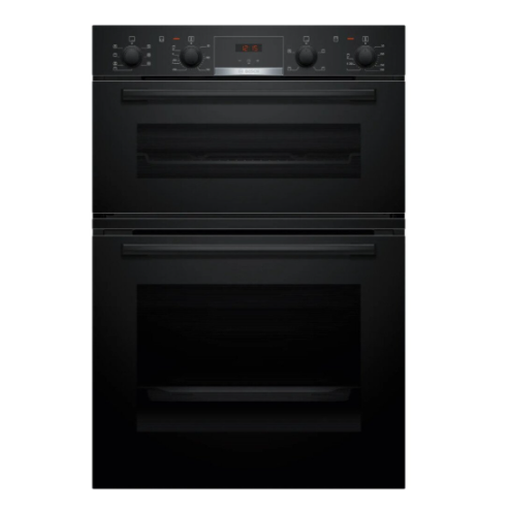 No image available
Consider this built-in double oven if the casserole regularly shares cooking time with another dish.
Check that your kitchen has suitable eye-level housing: this model is described as unsuitable for under-worktop installation. Confirm its hardwired connection requirements with a qualified installer, and measure your lidded dish against the cavity clearance.
 No image available
A single built-in oven is a starting point if you usually cook the casserole as one main dish.
Check its settings against your recipe and its cavity clearance against your lidded dish. The model is described as hardwired, so confirm the connection and installation requirements with a qualified installer.
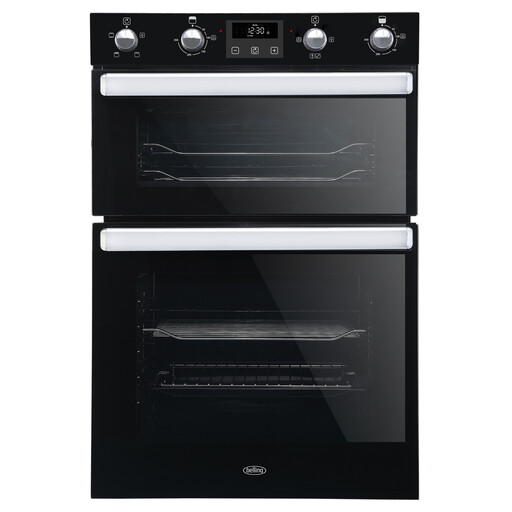 No image available
This double-oven layout is worth considering when you often cook accompaniments while the casserole is in the oven.
Check the cabinet cut-out and electrical requirements for this model. Measure your dish with its lid on against the main oven’s internal clearance rather than relying on the outside dimensions.
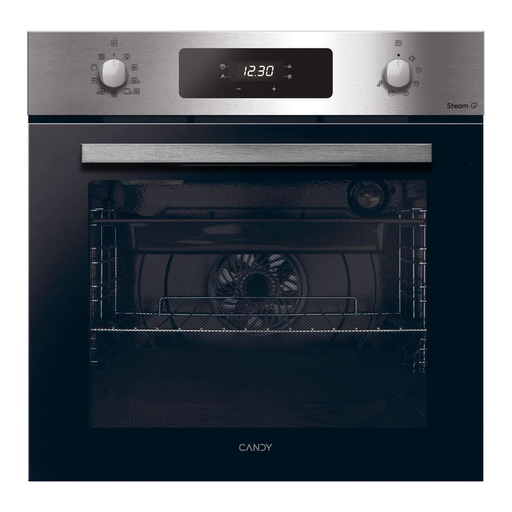 No image available
Consider this single oven if a pyrolytic cleaning function also matters for your wider cooking routine.
Its cleaning-cycle instructions call for removing shelves, trays and drawer shelves; follow the supplied preparation and ventilation guidance. Check the installation opening, electrical connection and clearance for your lidded dish before ordering.
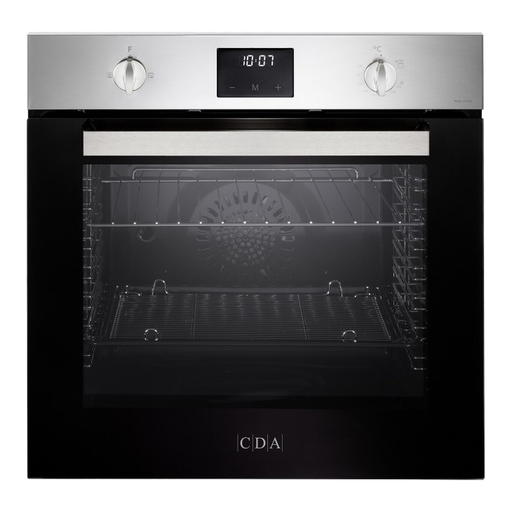 No image available
This gas fan oven is an option only if a gas appliance suits your kitchen setup and cooking preferences.
The listing describes a natural gas (G20) setup convertible for LPG. Ask a qualified gas installer to confirm the required configuration and installation, and check that your lidded dish fits within the cavity.
No: a Good Food Middle East recipe cooks a covered sausage casserole at 200°C conventional or 180°C fan for 40 minutes. Consider added steam for other baking or roasting you do, rather than treating it as a requirement for this dish.
No. Electrical Safety First says some ovens have a standard plug while others require hardwiring or a dedicated circuit. Check the installation instructions for the exact model and ask a qualified electrician if your kitchen connection is uncertain.
Consider a double oven if you regularly cook sides, desserts or other dishes at the same time as the casserole. Bosch describes its built-in double ovens as providing more cooking room, but measure the cabinet and your dishes before choosing one over a single oven.
Choose a cleaning system by the upkeep you are willing to do, not by a general self-cleaning label. For example, AEG lists pyrolytic cleaning for the GA5PB501AB, while Bosch and Neff describe different cleaning features on their named models; read the exact instructions for the oven and its accessories.