For one or two trays of sausage rolls, start with a single electric fan or multifunction oven that fits your kitchen and can accommodate your baking trays. If you regularly cook several trays or another dish at the same time, compare the manufacturer’s multi-level shelf guidance with the flexibility of a second oven cavity. Treat steam assistance and cleaning functions as choices for your wider cooking habits, and check the exact model’s installation requirements before buying.
Who is this for?
Occasional sausage-roll bakers
If you usually make one or two trays for meals, lunches or parties, focus on whether a single oven takes your trays and offers the cooking modes you use. A second cavity may offer little practical value unless you often cook another dish alongside them.
Batch bakers and hosts
If you frequently bake several trays, compare usable shelf positions and any multi-level guidance for the exact oven. A separate cavity is worth considering when another dish needs its own cooking schedule.
Low-maintenance kitchen upgraders
If cleaning and energy information influence your decision, compare the precise cleaning method and the energy documents for each model rather than assuming that ovens from the same brand have identical features.
What matters when choosing?
Start with your usual number of trays and whether another dish needs a separate cavity. Then check shelf guidance, kitchen fit and the upkeep you are willing to do.
| Concern |
What to check |
Who this matters to |
| Even, multi-tray baking |
Look for the exact model’s fan mode and stated number of usable baking levels; check the recipe’s temperature guidance. |
When I bake several trays, I want to know which shelves the oven is designed to use rather than assume every level will brown alike. Around 31% of consumers put even, multi-tray baking first. |
| Tray and cavity capacity |
Compare your trays’ width and depth with the usable oven space; decide whether another dish needs a separate cavity. |
For gatherings, I need room for the batches I actually make, sometimes while another dish cooks. Roughly 25% of consumers make capacity their primary concern. |
| Kitchen fit and electrical supply |
Check the installation drawing, required clearances and electrical connection for the exact model against your kitchen. |
If I am replacing a built-in oven, the new appliance must fit the housing and have a suitable electrical supply. About 25% of consumers put fit and installation first. |
| Cleaning and energy information |
Check what the cleaning system covers and what still needs wiping; compare energy labels and product information sheets for similar ovens. |
After frequent baking, I want cleaning to remain manageable and energy information I can compare before choosing. Around 19% of consumers prioritise upkeep and energy information. |
What should you avoid overlooking?
-
Assuming every built-in oven uses a normal plug
Electrical connections differ by model. Electrical Safety First advises checking an oven’s power requirements so the existing wiring is not overloaded.
Read the exact model’s installation instructions and have the proposed connection assessed by a qualified electrician where necessary.
If the existing supply is unsuitable, electrical work may be needed before installation.
-
Choosing by the exterior size alone
An oven’s outside measurements do not establish that its housing and ventilation requirements are met. Even appliances described by the same size category can have model-specific installation dimensions.
Measure the cabinet aperture and compare it with the exact installation drawing, including its required clearances.
-
Treating steam or self-cleaning as a baking upgrade
Steam assistance does not replace a recipe’s cooking instructions, while cleaning systems address maintenance rather than tray capacity. Catalytic, hydrolytic and pyrolytic systems also work differently.
Choose these features for cooking and cleaning tasks you expect to use, and read the exact model’s instructions for what each system requires.
-
Forgetting routine appliance safety
Electrical Safety First advises registering appliances for recall contact, following their instructions and checking plugs and sockets for damage.
Keep the oven’s model and serial details after installation, register the appliance and avoid using its cavity for storage.
Brands to consider
Bosch
A reference point for comparing built-in ovens with model-specific multi-level hot-air, steam and cleaning features.
- Bosch describes 3D Hotair on the HQA534BB3B as distributing heat on up to three levels. That is a feature statement for this model, not a comparison of baking results across brands.
- Bosch lists the HQA534BB3B as having no plug and requiring electrical connection by an electrician; check the requirements of any model you choose.
NEFF
Relevant when comparing built-in ovens with named multi-level cooking features or a retractable door.
- NEFF lists CircoTherm baking on up to three levels and a Slide&Hide door for its B3ACE4AN3B.
- NEFF states that this model has no plug and requires electrical connection by an electrician. Its stated features should not be assumed for other NEFF ovens.
Beko
Relevant when comparing multifunction built-in ovens with fan airflow, steam assistance or model-specific cleaning options.
- Beko lists AeroPerfect airflow, steam assistance and a catalytic back wall for the BBIS25300XC; its airflow description is a manufacturer claim, not an independent comparison.
- Beko describes pyrolytic cleaning on the separate BBXIE22300XP, which it marks as discontinued. Check the exact model rather than assuming that cleaning function is available on another Beko oven.
Joybuy oven choices
These choices include built-in single and double ovens for sausage-roll baking, plus a freestanding double-oven cooker. Choose the kitchen format you need before comparing individual features.
 No image available
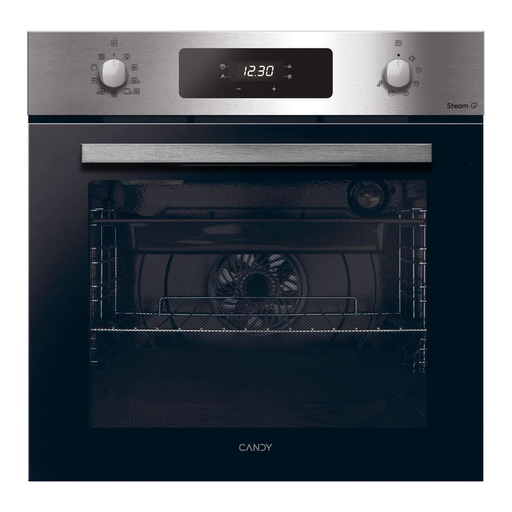
CANDY F CM955XRL/CN pyrolytic single oven
Consider this built-in oven if cleaning after baking is a priority: its named pyrolytic function is a high-heat cleaning process. Check the installation drawing and electrical connection for your kitchen, and follow the model’s instructions before running a cleaning cycle.
View on Joybuy
 No image available
Bosch HHF113BA0B Series 2 single oven
A built-in electric single oven to consider if you normally use one oven cavity for baking. For several trays, check the exact model’s shelf guidance and which trays are supplied; confirm the required electrical connection before ordering.
View on Joybuy
 No image available
Belling BEL BI903MFC 90 cm double oven
The built-in double-oven format is worth considering when sausage rolls and another dish need separate cavities. Its 90 cm size calls for a corresponding housing check; confirm the installation drawing and electrical requirements before choosing it.
View on Joybuy
 No image available
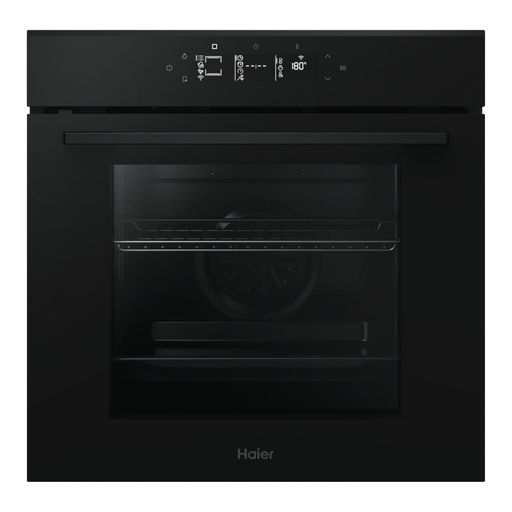
Haier H6 ID25G3HTB2 Series 6 70 L oven
This 70 L built-in single oven may suit a kitchen where a second cavity is unnecessary. Check the shelf arrangement for your trays and confirm the exact model’s operating temperature range and electrical installation instructions before buying.
View on Joybuy
 No image available
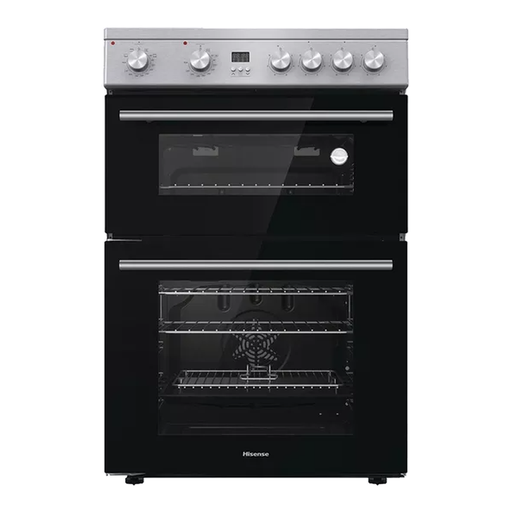
Hisense HDE3211BXUK 60 cm double-oven cooker
This freestanding electric cooker combines two oven cavities with a ceramic hob, rather than fitting into a built-in oven housing. Consider it only if that kitchen format suits you; check its electrical requirements and the exact model’s energy label when comparing cookers.
View on Joybuy
Common questions
Is a single oven enough for sausage rolls?
A single oven is a sensible starting point if you usually bake one or two trays and do not need another dish cooking separately. If large batches are routine, compare the exact model’s multi-level shelf guidance with the extra flexibility of a double oven.
Can I assume a built-in oven plugs into a normal socket?
No; check the exact oven’s connection requirements and your kitchen’s electrical supply before purchase. Bosch and NEFF state that their HQA534BB3B and B3ACE4AN3B models have no plug and require connection by an electrician, while Electrical Safety First advises reviewing an oven’s power requirements.
How should I compare oven energy information?
Compare the energy label and product information sheet for ovens of a similar type and size, rather than relying on a brand-level claim. The UK Department for Energy Security and Net Zero and Office for Product Safety and Standards identify domestic ovens among the products covered by energy-information rules.
Does a cooking feature mean sausage rolls are done?
No oven mode or preset replaces the pack or recipe instructions and a check that the filling is steaming hot and cooked all the way through. Cooking time and actual heat exposure still matter, whatever oven you choose.


