Multi-tray picnic bakers
If a picnic batch regularly takes more than one shelf, you will want to examine heat distribution and usable tray space before paying attention to specialist cooking modes.


For an occasional picnic batch, start by considering a built-in single fan oven if you are replacing an integrated oven; compare independently tested heat distribution and temperature accuracy rather than relying on a fan-feature name. A double oven makes more sense when you regularly need separate cavities, while a freestanding cooker suits a kitchen that also needs a hob. Whichever format you choose, check tray fit, installation dimensions and electrical requirements for the exact model.
If a picnic batch regularly takes more than one shelf, you will want to examine heat distribution and usable tray space before paying attention to specialist cooking modes.
If you mainly make smaller picnic batches and everyday meals, a single integrated oven may meet your needs. Compare temperature control, cleaning and fit before deciding whether a second cavity would be useful.
If the wider kitchen is changing, decide whether you need an integrated oven or an oven and hob together. Cabinet space and electrical installation will shape that choice.
Consider it: When replacing one integrated oven and baking picnic food alongside ordinary household meals.
Trade-off: Its one cavity cannot provide a separate cooking setting for another dish at the same time.
Consider it: When you regularly need a separate cavity for another dish while preparing the picnic batch.
Trade-off: Check that the taller housing space and the exact model’s electrical requirements suit your kitchen.
Consider it: When the replacement needs to provide a hob as well as an oven; Which? describes this as an oven, grill and hob in one appliance.
Trade-off: The available floor space, fuel and connections must suit the whole cooker, not just its oven.
For sausage-roll batches, decide whether you need more shelf space or genuinely separate cavities, then compare baking evidence and installation requirements for the format that fits.
| Concern | Buying checks | Who this matters to |
|---|---|---|
| Even browning | Compare independent heat-distribution and temperature-accuracy results, then check the model’s shelf layout and tray fit. Which? assesses heat distribution and control accuracy in its oven testing. | If I bake several trays for a picnic, I want the rolls to brown consistently without relying on a cooking-mode name alone. Around 42% of consumers put even batch results first. |
| Batch capacity | Check usable shelf positions and whether your trays fit; decide if another dish needs a separate cavity and setting. | When I prepare food for a larger gathering, I need enough workable space for the batch, not just a capacity figure in litres. Roughly 33% of consumers prioritise shelf or cavity flexibility. |
| Fit and clean-up | Compare appliance and installation dimensions, electrical requirements and the exact cleaning system. | If I am replacing an oven in an existing kitchen, I need it to fit and connect appropriately without making regular clean-up awkward. About 25% of consumers place installation or maintenance practicality first. |
A named airflow function does not establish how evenly a particular oven bakes. Which? also tests heat distribution, temperature accuracy and preheating.
Use fan or multilevel cooking to narrow the options, then compare independent results where available and check the exact oven’s shelf arrangement and your tray fit.
A built-in oven’s outer size and required cabinet opening are different measurements; its connection requirements also need checking.
Measure the housing against the manufacturer’s installation drawing and confirm the electrical requirements before ordering.
If the housing or supply needs changing, installation may involve cabinetry work or a qualified electrician.
A second cavity helps when dishes need separate cooking settings, but it is not the same thing as evenly baking several trays at one setting.
Decide whether you regularly need two cavities or mainly need usable shelves and dependable heat distribution in one oven.
Food that would normally be refrigerated still needs to be kept cool on its way to a picnic. Food Standards Scotland gives this advice for picnic foods.
Plan a cool bag or cool box with ice or frozen gel packs for sausage rolls that require chilling; the Food Standards Agency recommends this approach for picnic foods needing to stay cool.
Relevant when comparing built-in ovens with model-specific multilevel cooking features.
Relevant to shoppers comparing specified single- and double-oven formats.
Relevant to buyers looking at built-in ovens with airflow features and model-dependent cleaning options.
Relevant when considering built-in ovens with selected multilevel cooking features.
These choices cover built-in single and double ovens as well as a freestanding cooker. Choose the format that suits your kitchen and batch size before comparing individual features.
 No image available
Consider a double oven if picnic baking regularly overlaps with another dish that needs a separate cavity.
Check that your trays fit and that the kitchen suits this model’s eye-level built-in installation and electrical requirements.
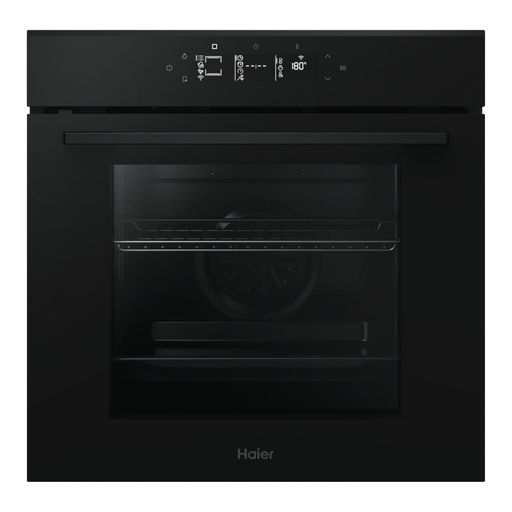 No image available
This single-oven format suits a kitchen replacing an integrated oven without needing a second cavity.
Check usable tray space, the required cabinet opening and hardwiring. Confirm the cooking temperature range in the exact model’s manual before relying on it.
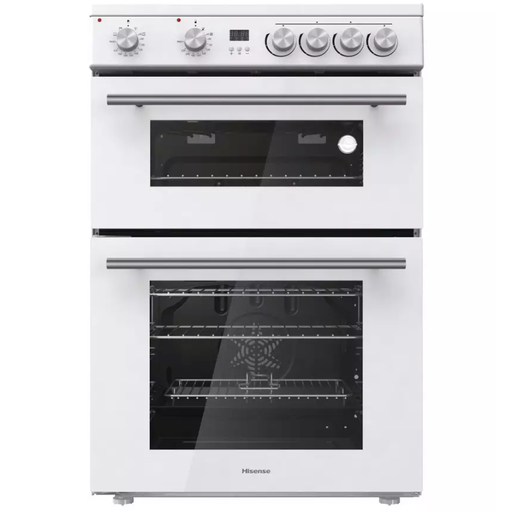 No image available
Consider this freestanding format if you need a hob as well as oven space for picnic preparation.
The product title specifies a ceramic hob and two ovens. Check the available kitchen space, tray fit and hardwired electrical installation before choosing it over an integrated oven.
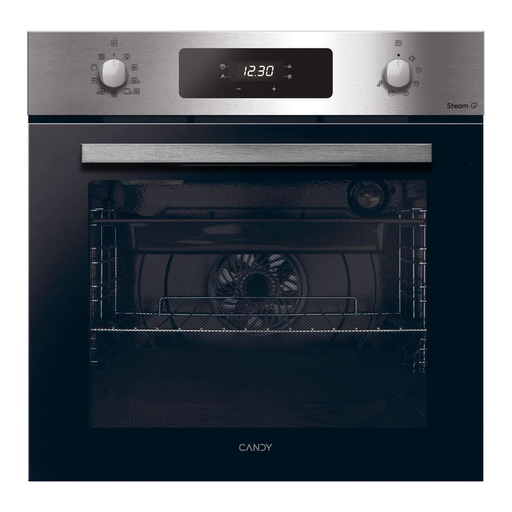 No image available
Consider this single oven if one cavity meets your batch needs and a pyrolytic cleaning function matters to you.
Follow the model’s instructions for removing accessories before a cleaning cycle. Check cabinet cut-out, electrical connection and tray fit before purchase.
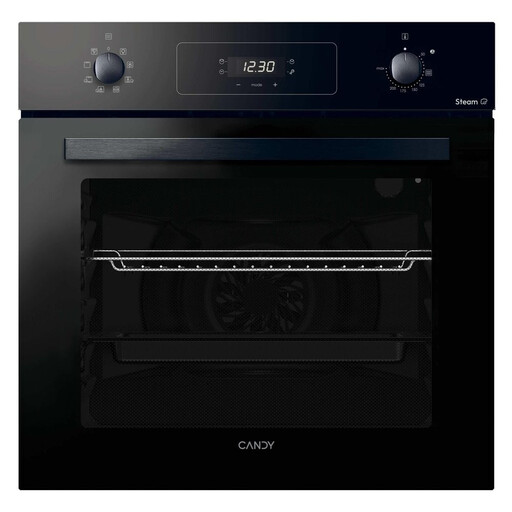 No image available
This single-oven format may suit an occasional picnic batch if its usable shelves accommodate your trays.
Check the installation cut-out and connection instructions for this model; arrange qualified electrical installation where required.
Not necessarily, but fan or multilevel cooking is worth considering if you bake more than one tray. A feature name cannot confirm even results: compare model-specific heat-distribution and temperature-accuracy evidence where available, both of which Which? assesses in its oven testing, and follow the pastry product’s cooking instructions.
A double oven is worth considering when you regularly cook sausage rolls alongside a dish needing a separate cavity or setting, rather than merely wanting room for an occasional extra tray. Check the exact model’s housing and electrical requirements; AEG lists 5,300 W total loading for its NPE7C61B double oven, which is not a specification for every double oven.
Check the manufacturer’s installation dimensions and the exact oven’s power and connection requirements before ordering. Electrical Safety First advises having an oven fitted by a qualified electrician; do not assume a new model connects in the same way as the one it replaces.
Keep sausage rolls that would normally need refrigeration cool during transport. The Food Standards Agency recommends a cool box or cool bag with ice or frozen gel packs for picnic foods needing to stay chilled, while Food Standards Scotland advises keeping foods normally refrigerated cool at the picnic.