Weekday lunchbox batch bakers
If you bake several trays or repeat batches through the week, the oven's fan setting, usable shelf positions and guidance for simultaneous baking matter more than a long list of specialist programmes.


For regular savoury pinwheel batches, start with a single fan or hot-air oven whose trays and shelf arrangement suit the amount you bake. Consider a double oven if you regularly need a separate cavity for another lunchbox dish; whichever format you choose, check the cabinet opening, electrical connection and model-specific baking instructions before ordering.
If you bake several trays or repeat batches through the week, the oven's fan setting, usable shelf positions and guidance for simultaneous baking matter more than a long list of specialist programmes.
If an existing built-in oven is being replaced, measure the cabinet opening and available depth before comparing cooking features. The selected model's electrical connection also needs to suit the installation.
Frequent pastry, cheese and filling spills make cleaning instructions worth reading. Bosch, NEFF and Hotpoint describe different cleaning or access features on their cited models; each has its own care requirements.
For consumers choosing a built-in oven chiefly to bake savoury pinwheels for lunchboxes, decide whether one cavity meets your batch and shelf needs before considering a second cavity. Kitchen fit and day-to-day cleaning still affect which model is practical.
Consider it when: One cavity can accommodate your usual pinwheel trays and cooking schedule.
Trade-off: You cannot cook another dish at a different temperature in a separate cavity at the same time.
Consider it when: You regularly prepare another lunchbox dish that needs its own temperature or timing.
Trade-off: Check the taller housing requirement: Bosch lists its MBA533BS3B double oven at 888 × 594 × 550 mm, but installation dimensions are model-specific.
| Concern | What to check | Who this matters to |
|---|---|---|
| Baking across trays | Check the stated fan or hot-air mode, permitted shelf positions and guidance for using more than one tray. Compare the supplied accessories with your own tray sizes. | If I bake several pinwheel trays, I want a shelf arrangement I can use consistently without assuming they will all brown alike. Around 50% of consumers put repeatable baking across trays first. |
| Kitchen fit and connection | Compare your cabinet opening and available depth with the installation drawing. Confirm the exact model's plug or hardwiring requirements. | Replacing a built-in oven only works for me if it fits the housing and can be connected appropriately. For around 33% of consumers, fit and installation are the primary concern. |
| Cleaning and energy information | Read the cleaning instructions, including any wiping still required. Compare the energy label for ovens within its scope. | With frequent pastry and cheese spills, I want upkeep I can manage and clear information for comparing ovens. Around 17% of consumers prioritise that combination. |
Capacity does not tell you whether your baking trays fit or which shelf positions can be used together. Those details affect how you plan repeat pinwheel batches.
Compare your tray dimensions with the model's accessories, shelf layout and installation drawing.
Electrical Safety First notes that ovens can have different connection requirements. Bosch and NEFF specify electrician connection for the built-in models cited here.
Check the exact model's connection instructions and have a qualified electrician assess the existing circuit if you are unsure.
An oven requiring electrical work may also take more time to arrange and install.
Added steam or automatic programmes may suit other dishes, but they do not establish how your trays can be used for pinwheels.
Establish the basic cooking modes, shelf guidance and fit first. Choose an additional function only if it serves food you expect to cook.
Steam-assisted cleaning, catalytic surfaces and removable-door access involve different instructions. Hotpoint describes its Diamond Clean cycle as softening residue for wiping, rather than eliminating wiping.
Read the care instructions for the specific oven and decide whether its cleaning steps suit frequent use.
Its built-in range includes single, double and added-steam ovens. Compare individual models rather than assuming they share the same shelf guidance.
Its built-in range includes ovens with multi-level hot-air settings and Slide&Hide door designs.
Its built-in single and double ovens offer formats worth comparing when a second cavity is part of the decision.
Its built-in range includes fan ovens with cleaning aids and automatic programmes.
These built-in single and double ovens relate to two ways of planning lunchbox baking: using one cavity for pinwheels or keeping a second cavity available for another dish. Check each model's tray arrangement, installation drawing and electrical instructions against your kitchen before choosing.
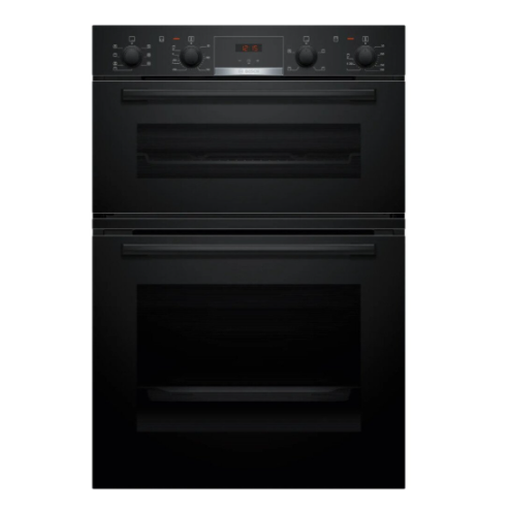 No image available
Consider this double-oven format if pinwheels and another lunchbox dish regularly need separate cooking spaces.
Before ordering, check the installation drawing against your housing and confirm the electrical requirements. Compare the supplied trays and shelf guidance with the batches you bake.
 No image available
The double-oven format is relevant if you routinely prepare pinwheels alongside food needing a separate cavity.
The stated 90 cm height is not a cabinet cut-out measurement. Check the installation drawing, connection instructions and supplied tray arrangement for your kitchen and batch size.
 No image available
A single cavity may suit routine pinwheel batches if its trays and usable shelf positions meet your needs.
Check the model's instructions for simultaneous shelf use, then confirm tray fit, cabinet dimensions and the electrical connection before ordering.
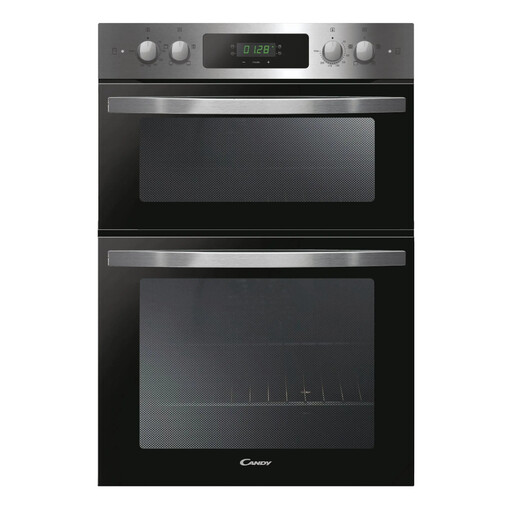 No image available
Consider two cavities when another lunchbox dish regularly needs different cooking settings from the pinwheels.
Check the manufacturer's installation drawing and electrical instructions. For larger batches, confirm the supplied trays and guidance on using more than one shelf.
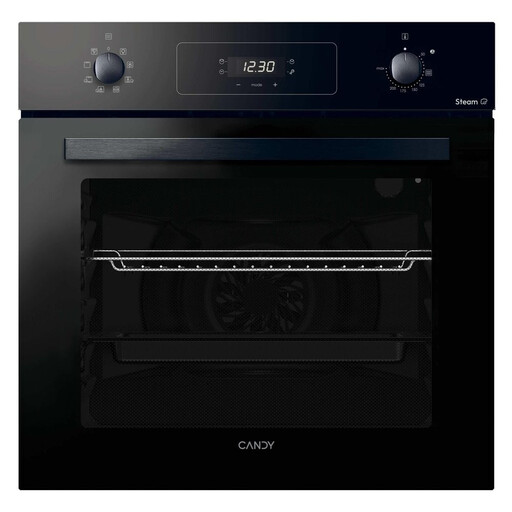 No image available
This single-oven format is worth considering when one cavity meets your lunchbox baking schedule.
The stated 65 L capacity does not establish whether your baking trays fit. Check the accessories and shelf instructions, along with the cabinet cut-out and the exact electrical connection arrangement.
A fan or hot-air setting is particularly relevant if you plan to bake pinwheels on more than one shelf, but it does not guarantee matching results on every tray. Follow the oven's shelf guidance; Hotpoint, for example, advises swapping tray positions halfway through when using convection baking on up to two shelves in its cited model.
No, not if a single oven accommodates your usual pinwheel trays and batch size. A double oven is worth considering when you regularly need another cavity at a different temperature or on a different schedule; check that its installation dimensions suit your housing.
Check the exact model and your existing electrical setup before arranging installation. Electrical Safety First explains that some ovens have a standard plug while others require hardwiring, and advises consulting a qualified electrician if you are unsure; the Bosch and NEFF built-in models cited here specify electrician connection.
Compare the energy labels of ovens within the labelling scope alongside the capacity and functions you would actually use. GOV.UK says products within that scope must be supplied with an accurate printed energy label; the label does not determine energy use for your particular baking routine.
Let the oven cool and follow its model-specific instructions for removing spills and running any cleaning programme. Do not assume a cleaning cycle removes every residue: Hotpoint describes its Diamond Clean steam cycle as softening residue so it can be wiped away.