Picnic batch bakers
If you make shortbread to share, usable tray space and shelf positions matter more than cavity capacity alone. Check whether the exact oven supports the number of trays you intend to bake at once.


For an occasional picnic batch, start with a single oven whose cooking settings and controls suit your shortbread recipe; a dedicated shortbread programme is not necessary. Consider more shelf space if you regularly bake several trays, or a double oven if you also need a separate cavity for other food. Whichever format you choose, check the cabinet opening and electrical connection requirements for the exact model.
If you make shortbread to share, usable tray space and shelf positions matter more than cavity capacity alone. Check whether the exact oven supports the number of trays you intend to bake at once.
If evenly coloured shortbread is your priority, look beyond the presence of a fan setting. Which? assesses oven temperature accuracy and heat distribution because performance can differ between models.
A built-in replacement must suit the existing opening as well as the available electrical supply. Electrical Safety First notes that oven connection requirements differ, so check the exact model before ordering.
Choose the oven format around the number of trays and whether you need a second cavity; then assess baking controls and installation requirements for the exact model. Good Food’s shortbread recipe calls for 150°C on a fan setting, but a fan feature alone does not establish how evenly an oven will bake.
Consider it when: You usually bake one or two trays and want one cooking cavity.
Trade-off: Tray space and shelf spacing vary, so check the exact model against your batch size.
Consider it when: You regularly prepare several trays but do not need separate cooking cavities.
Trade-off: Stated capacity or multi-level capability does not, by itself, establish even shortbread results across shelves.
Consider it when: You regularly need shortbread in one cavity while cooking another dish separately.
Trade-off: The taller installation space and electrical requirements may be unnecessary for an occasional biscuit batch.
| Concern | What to check | Who this matters to |
|---|---|---|
| Even, controllable baking | Check the cooking settings and controls against your recipe; look for exact-model evidence on temperature accuracy and heat distribution. | I want pale, evenly coloured shortbread without one tray browning ahead of another. Around 42% of consumers put consistent baking first. |
| Usable batch space | Compare tray fit and shelf positions; if baking on several shelves, check what the exact model supports. | When I bake for a group, I need enough room for the trays I intend to use. For around 25% of consumers, batch space is the primary concern. |
| Fit, connection and upkeep | Match the installation drawing to your opening and check the electrical connection; consider the cleaning method if it matters to you. | I need a replacement that can be fitted in my kitchen without overlooking its connection requirements. Roughly 33% of consumers put fit and ownership needs first. |
A fan setting identifies a cooking mode, not the shortbread results you will get at every tray position. Which? tests temperature accuracy and heat distribution, while manufacturer airflow descriptions refer to their own models.
If you often bake several trays, compare independent results for the exact oven where available. Otherwise, try your recipe on one tray position before relying on a full multi-shelf batch.
Cabinet openings and electrical connections vary by model. AEG lists a 875 × 560 × 550 mm built-in space and 4,900 W total electrical loading for its OU5CP40M double oven; those figures cannot be assumed for another oven.
Measure the opening, consult the exact installation drawing and check the supply requirements. Electrical Safety First recommends a qualified electrician for fitting where appropriate.
A second cavity is useful when you need separate cooking spaces, but it does not automatically solve a tray-space problem inside the main oven.
If shortbread is the only reason for sizing up, compare usable space and supported shelf arrangements in single ovens before committing to a double-oven installation.
Cleaning systems and added-steam functions serve different purposes from temperature control and heat distribution. Their presence does not establish how evenly an oven will bake shortbread.
Check cooking modes, controls and fit first; choose cleaning or steam features for the separate uses you expect to make of them.
Beko offers named built-in single-oven models to compare if fan cooking and cavity space are priorities.
Selected Bosch built-in ovens are relevant if you want to compare stated multi-level cooking features.
Selected NEFF single ovens are worth comparing if you intend to bake on multiple shelves.
AEG’s OU5CP40M is a double-oven example for households that will use separate cavities.
These choices include single built-in ovens, a built-in double oven and a freestanding cooker. Compare the appliance format with your kitchen first, then check the exact cooking modes and installation requirements for shortbread baking.
 No image available
Consider this double oven if you will regularly use a separate cavity while baking. Check its installation dimensions and electrical requirements before choosing it for your kitchen; two cavities are unlikely to be necessary for an occasional shortbread batch.
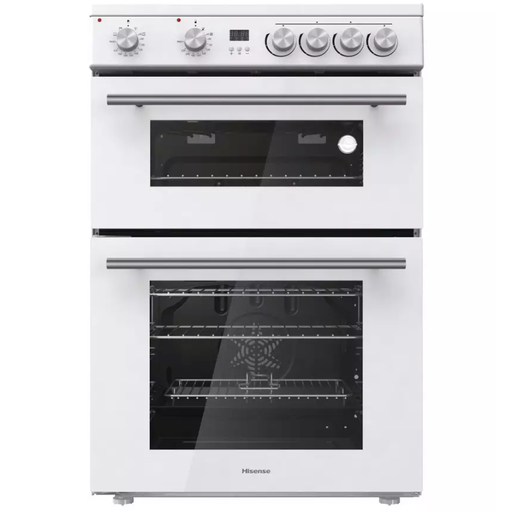 No image available
This is a freestanding cooker with a ceramic hob, not a replacement for a built-in oven. Consider its double-oven format only if a cooker suits your kitchen, and confirm the exact electrical supply and installation requirements before ordering.
 No image available
A single built-in oven is a route to consider for an ordinary picnic batch. This model is identified as 65 L; check its exact cabinet cut-out and resolve the differing connection descriptions in the product information before arranging installation.
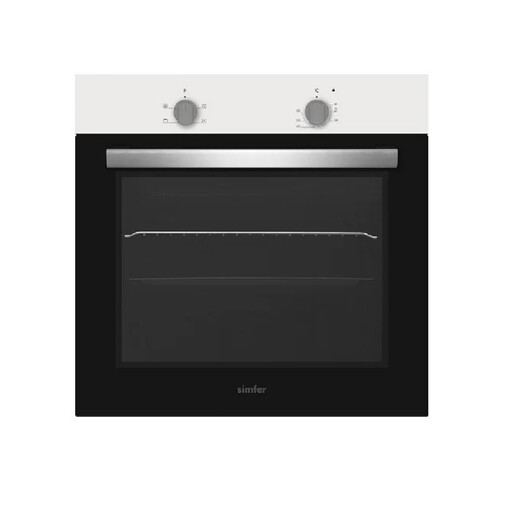 No image available
Consider this single-oven format if you do not need a separate cooking cavity. Check the FO60W’s controls against your recipe, along with its exact cabinet cut-out and connection requirements; shelf positions alone do not establish even multi-tray baking.
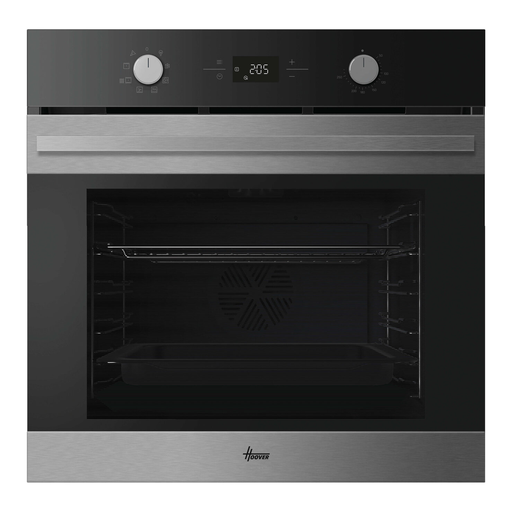 No image available
This 70 L single built-in oven may suit a buyer prioritising one larger stated cavity. If you plan to follow a fan-oven shortbread recipe, confirm the HO6 H3T1CTX’s cooking modes; also check its electrical connection requirements against your kitchen.
No dedicated programme is necessary for the cited Good Food shortbread recipe. It gives 170°C for a conventional oven or 150°C for a fan oven, with a 15–20 minute bake, so choose controls that let you follow the setting appropriate to your oven.
No: a fan setting does not establish identical results at every shelf position. If multi-tray baking matters, check the exact model’s stated shelf use and look for independent temperature-accuracy and heat-distribution results where available.
That depends on the exact oven and its required connection. Electrical Safety First notes that some ovens use a standard plug while others need hardwiring into a dedicated circuit; follow the model’s installation instructions and seek a qualified electrician where appropriate.
Check the energy label for the exact model at the point of sale. GOV.UK says products within the applicable UK energy-information requirements must be supplied with an accurate printed label and display a label at the point of sale.
Yes, for the cited Good Food recipe: allow the shortbread to cool, then keep it in an airtight container. Good Food says that recipe keeps for up to a week in an airtight container; assess any added perishable toppings separately.