For one tray of squash cubes and ordinary weekday meals, start by looking at a single electric fan oven that fits your kitchen and usual tray. A double oven becomes more useful when you regularly cook separate dishes at once; a cooker makes sense when the hob needs replacing too. Check the exact model’s cavity, installation requirements and cleaning features before ordering.
Who each oven suits
Weekday lunchbox roasters
If you usually roast one tray of vegetables alongside ordinary family meals, focus on controls, cooking performance and space for your normal tray rather than paying attention to cavity count alone. Published oven guidance and Which?’s approach to testing oven controls both make these useful points to investigate.
Batch-prep households
If you prepare several lunchboxes or cook squash alongside another dish, shelf space and the ability to use separate cavities may matter more. Beko and Bosch both offer double-oven formats, but the usable space and functions need checking model by model.
Kitchen-replacement buyers
If you are replacing an integrated oven or an entire cooker, establish what fits the existing space and electrical supply before comparing cooking features. Whether the hob also needs replacing determines if a cooker belongs on your shortlist; The product information distinguishes cookers by their combined oven and hob format.
What matters when choosing
Single built-in fan oven
Choose when: One main cavity handles your squash tray and everyday meals, and you have suitable built-in housing.
Trade-off: You cannot set different temperatures in separate cavities at the same time; check the tray space and shelf layout of the exact model.
Double oven
Choose when: Lunchbox preparation regularly overlaps with another dish that needs its own cooking space, as in the batch-cooking uses described by Bosch.
Trade-off: Two cavities need more installation space and do not mean either cavity will fit a larger tray than a single oven.
Freestanding cooker
Choose when: You need to replace the hob as well as the oven; a cooker combines an oven, grill and hob.
Trade-off: This replaces more of the kitchen setup than squash roasting alone requires, so the available space and installation needs become decisive.
| Concern | What to check | Who this matters to |
|---|
| Even roasting and control |
Look for model-specific heat-distribution and temperature-control tests where available. Otherwise, check the cooking modes and the manual’s tray and shelf guidance; a programme name alone cannot establish the result. Which? assesses controls at different oven positions and set temperatures. |
I want squash cubes to cook consistently without repeatedly moving the tray. Around 39% of consumers put roasting consistency and control first. |
| Everyday size and fit |
Measure the installation space against the exact model’s instructions, then check whether your usual tray fits the cavity. Distinguish built-in, built-under and freestanding formats. |
If I usually cook one tray, I need an oven that fits my kitchen without choosing extra cavities for their own sake. Kitchen fit is the primary concern for around 23% of consumers. |
| Batch capacity |
Compare each cavity’s usable space, functions and shelf positions. If cooking dishes simultaneously matters, check what the exact model permits rather than relying on a combined capacity figure. |
Several lunchboxes or a second dish can make separate cooking space worth considering. Around 23% of consumers put batch capacity and meal separation first. |
| Cleaning effort |
Check what the named cleaning system covers, what preparation it requires and which parts still need cleaning by hand. NEFF, for example, specifies both pyrolytic and hydrolytic cleaning on model B2ACH7AG7B; those features are model-specific. |
With regular roasting, I want to know how much cleaning remains after using the oven’s cleaning cycle. Ease of upkeep comes first for around 15% of consumers. |
Common buying mistakes
-
Assuming a fan setting guarantees even roasting
A fan mode identifies a cooking function, not how accurately an oven holds its temperature or cooks across the cavity. Which? tests oven controls at more than one position and temperature.
Use model-specific test results if you can find them. Otherwise, check the manual’s fan-mode, tray-loading and shelf guidance before relying on a feature name.
-
Choosing two cavities for a one-tray routine
A double oven can help when squash is part of a larger cooking session, but its extra cavity is less relevant if you rarely prepare separate dishes together.
List the dishes you actually cook at the same time, then compare each cavity’s tray space and functions with a suitable single oven.
-
Ordering before checking installation
An oven that suits your cooking routine still has to fit its housing and match the available electrical connection. Replacing a cooker may also change what installation work is needed.
Check the exact model’s dimensions, connection rating and installation instructions against your kitchen, and arrange a qualified installer where the work requires one.
A change of appliance format or an unsuitable existing cabinet or supply can mean additional fitting work.
-
Treating cleaning features as interchangeable
Cleaning methods vary by model. A named cycle does not tell you which surfaces it covers or how much wiping remains afterwards.
Read the model’s instructions for the cleaning cycle, removable parts and any manual cleaning it still requires.
Brands to consider
These ranges offer formats relevant to the single-oven versus batch-cooking decision; compare features and installation requirements on the precise model, not at brand level.
Bosch
Bosch’s UK range includes single, compact, combination and double built-in ovens, giving you formats to compare for everyday cooking and larger sessions.
- Bosch describes selected hot-air features and positions its double-oven range for extra cooking room.
- Check the exact series, cavity arrangement and installation specification; those brand descriptions do not establish the performance of every model.
Beko
Beko offers built-in single and double formats for comparing a routine one-cavity setup with greater cooking capacity.
- The Beko range includes fan, multifunction and self-cleaning options.
- Check which cooking and cleaning functions the particular model has, along with its dimensions and any applicable guarantee terms.
NEFF
NEFF is worth comparing if specified multi-level cooking and cleaning functions matter to your batch-prep routine.
- NEFF specifies cooking on up to three levels and pyrolytic plus hydrolytic cleaning for its B2ACH7AG7B oven.
- For that model, NEFF also specifies no plug and electrical connection by an electrician; neither its features nor its connection requirements should be assumed for other models.
Single ovens on Joybuy
These built-in single ovens are options to compare if one main cavity suits your lunchbox routine. Check each model’s cooking modes, tray space and installation requirements; the Haier model’s fan or hot-air mode is particularly worth confirming if that is central to your choice.
 No image available
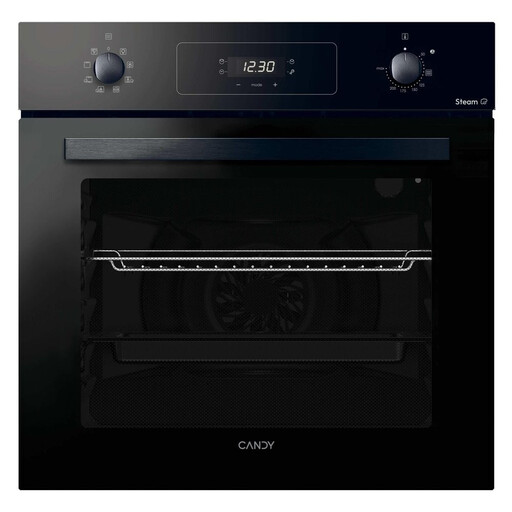
Candy FIDCN605 65L built-in electric single oven, black
Consider this for a single-tray routine if its cavity and your usual tray are a suitable match.
The name specifies a 65L built-in electric single oven. Check the exact electrical connection and installation instructions before ordering.
Joybuy
 No image available
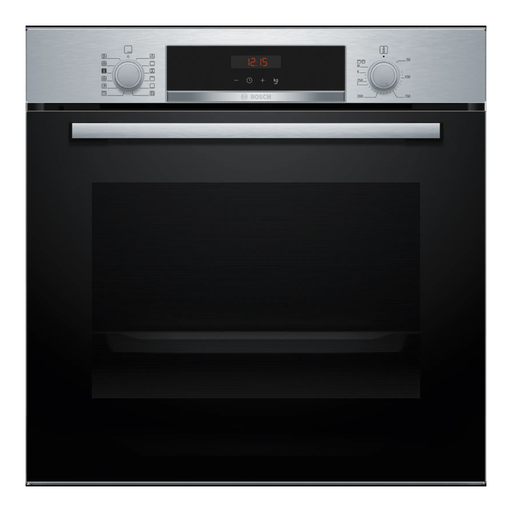
Bosch HQA574BS3B Series 4 pyrolytic single oven, stainless steel
Consider this single-oven format if routine roasting and a pyrolytic cleaning function are both priorities.
Check the cleaning instructions, cabinet cut-out and hardwired connection requirements for the exact model. A named hot-air feature is not a substitute for model-specific cooking-performance tests.
Joybuy
 No image available
Bosch HHF113BA0B Series 2 built-in single electric oven, black
This built-in single-oven format is relevant if one main tray handles your lunchbox preparation and everyday meals.
Confirm that your tray fits and check the required cabinet opening and electrical installation before buying. Seek model-specific test results if roasting consistency is your deciding factor.
Joybuy
 No image available
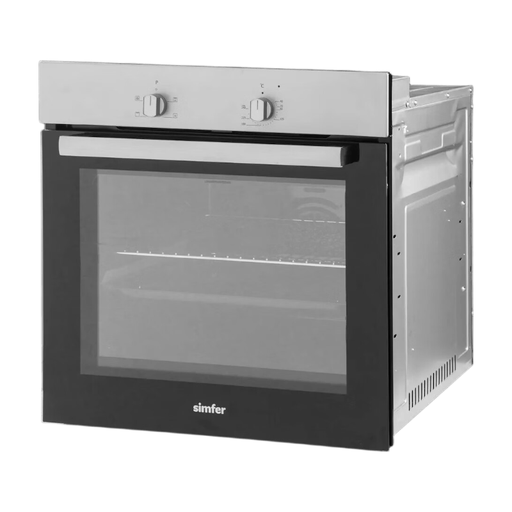
Simfer FO60S built-in single electric fan oven, silver
The single fan-oven format is relevant to a one-tray roasting routine.
Confirm the required cabinet opening against the exact installation instructions before choosing it, as the stated external and installation dimensions differ. Check the electrical connection and cleaning arrangements too.
Joybuy
 No image available
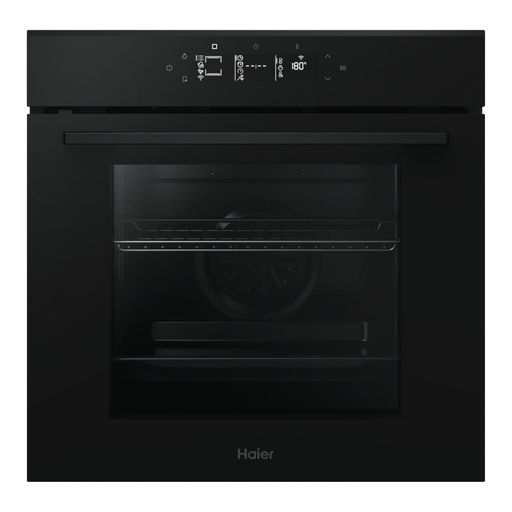
Haier H6 ID25G3HTB2 Series 6 70L built-in smart electric oven, black
Consider its 70L single-oven format if cavity size matters, but confirm that the cooking functions include the mode you want for roasting squash.
If maximum temperature affects your cooking plans, confirm the exact specification before purchase. Check the electrical connection against your kitchen supply as well.
Joybuy
Questions about choosing an oven
Do I need a double oven to roast squash for lunchboxes?
No: one suitably sized cavity can handle a tray of squash and ordinary meals. Consider a double oven when you regularly need separate cooking space for another dish; Bosch describes that as a use for its double-oven range, not as a way to improve every single-tray result.
Should I replace my oven with a cooker?
Choose a cooker when the hob needs replacing as well as the oven. cookers combine an oven, grill and hob; if the hob is staying, compare ovens that fit the existing kitchen setup instead.
Can I plug any electric oven into a standard socket?
No. Electrical connection requirements depend on the exact model, so check its rating and installation instructions against your existing supply before purchase. Arrange a qualified installer where the required connection calls for one.
What safety habit matters when roasting squash?
Do not leave the oven cooking unattended. Tyne and Wear Fire and Rescue Service gives this kitchen-safety advice regardless of the oven brand or format you choose.


