Multi-tray dinner-party hosts
You want to roast sweet potatoes alongside other dishes without assuming that every shelf will cook in the same way. The oven’s instructions for tray positions and rotation matter as much as its stated capacity.


For a dinner party with sweet potatoes and other dishes, start with an oven that fits your kitchen and has clear instructions for the number of trays you plan to use; cavity litres alone will not tell you that. A built-in fan or multifunction oven may suit an integrated-kitchen replacement, while a freestanding cooker with separate cavities is worth considering if your menu regularly needs different cooking times or temperatures and you have room for it. Check the exact model’s shelf guidance and installation requirements before treating optional cooking or cleaning features as deciding factors.
You want to roast sweet potatoes alongside other dishes without assuming that every shelf will cook in the same way. The oven’s instructions for tray positions and rotation matter as much as its stated capacity.
You need the new appliance to suit an existing housing and electrical setup. Check its installation dimensions and connection requirements before comparing optional cooking functions.
You care about reaching trays during cooking and dealing with residue afterwards. Door access and cleaning features are useful to compare once the oven meets your cooking and fit requirements.
Plan the dishes and trays first, then check where the appliance will go and how it will be installed. Compare access and cleaning features after those practical requirements are settled.
| Concern | What to check | Who this matters to |
|---|---|---|
| Even roasting and other dishes | Read the exact model’s guidance for its fan or convection mode, usable shelf positions and whether trays should be swapped. | I want the sweet potatoes ready alongside the rest of the meal, without planning around trays that need different treatment. Around 50% of consumers put even roasting and multi-dish cooking first. |
| Capacity, format and installation | Compare appliance and housing dimensions, then check the installation instructions and electrical connection requirements. | If I am replacing an integrated oven, extra cavity space is little use unless the appliance fits and can be installed in my kitchen. For around 30% of consumers, fit and installation are the primary concern. |
| Access and clean-up | Check how the door works in the available space and what the model’s cleaning feature requires you to do. | When I am moving trays during a busy meal, I want clear access and a manageable clean-up afterwards. That is the leading need for around 20% of consumers. |
Multi-shelf instructions differ by model and cooking function. Hotpoint advises swapping two trays halfway through Convection Bake on its HO 455H B UK, while NEFF describes cooking on up to three levels with CircoTherm on the B3AVH4HN1.
Check the manual for the function you intend to use, including shelf positions, tray rotation and suitable accessories.
A built-in oven and a wider freestanding range cooker need different kitchen space. A larger stated cavity does not establish that your trays will fit or that the appliance can replace your current oven.
Measure the housing or cooker space and compare it with the exact model’s dimensions and installation instructions before ordering.
Beko states that the AirFry function on its BBIMA17300 uses a special tray. Added-steam functions also have model-specific operating and cleaning instructions; neither feature is necessary simply to roast sweet potatoes.
Check which accessories come with the exact model and read the instructions for any function you expect to use.
Electrical Safety First notes that oven connection requirements vary: some use a standard plug, while others need hardwiring into a dedicated circuit.
Check the appliance instructions against your kitchen’s electrical setup before purchase. Electrical Safety First advises having an oven fitted by a qualified electrician.
These brands illustrate features worth checking on particular oven lines, not features shared by every model they make.
Relevant if you are comparing built-in multifunction ovens with fan-airflow, AirFry or cleaning features.
Relevant for built-in ovens where two-shelf guidance and post-cooking access matter.
Relevant if multi-level hot-air cooking, added steam or front-of-oven access matters to your menu.
Relevant if frequent large menus make separate oven cavities more useful than a single built-in cavity.
Relevant if your dinner-party menu calls for both hot-air and steam cooking.
These choices cover built-in ovens and freestanding cookers for roasting sweet potatoes alongside a dinner-party menu. Start with the format your kitchen can accommodate, then check each model’s tray guidance and installation instructions.
 No image available
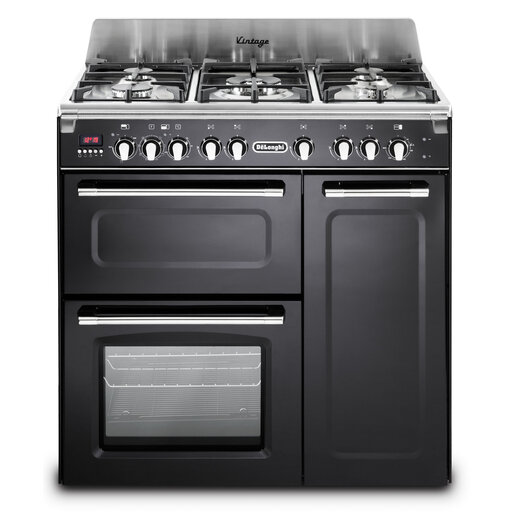
Consider this freestanding cooker if your dinner-party menu calls for separate cooking spaces and the kitchen can accommodate a 90 cm appliance. Its dual-fuel format makes checking both space and installation requirements particularly important.
Confirm the exact cavity capacities, usable tray dimensions and multi-level roasting instructions before planning how many dishes to cook at once.
 No image available
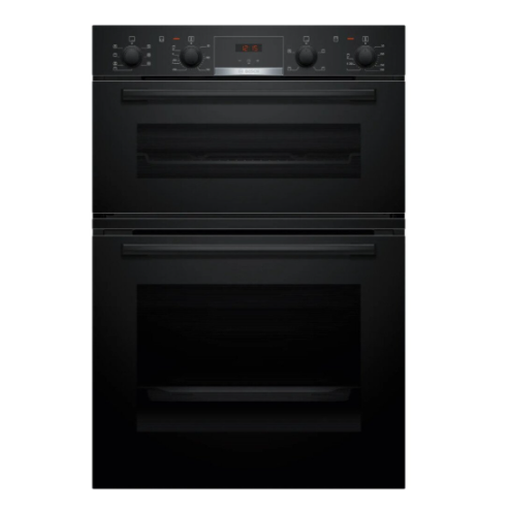
A built-in double oven is worth considering when sweet potatoes and another dish need separate cooking spaces. This model is specified for eye-level installation and hardwiring, so confirm the housing and electrical arrangements before ordering.
Check usable tray sizes and the model’s instructions before relying on simultaneous roasting across shelves.
 No image available
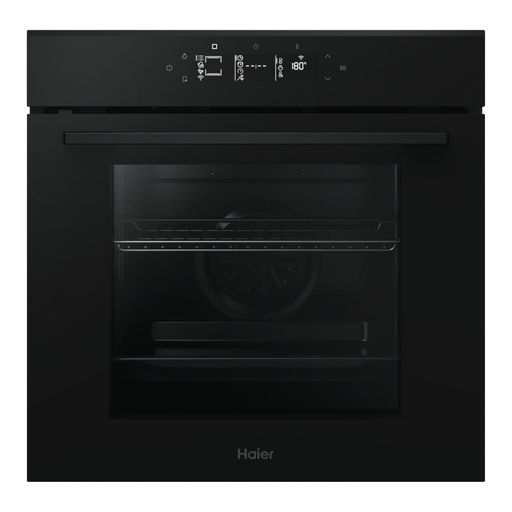
This 70 L built-in oven is a single-cavity option if you intend to cook the sweet potatoes and other dishes in one appliance. Check its Multilevel instructions for suitable shelf positions and any tray-moving guidance.
Compare the model’s installation dimensions and electrical requirements with your kitchen before choosing it as a replacement.
 No image available
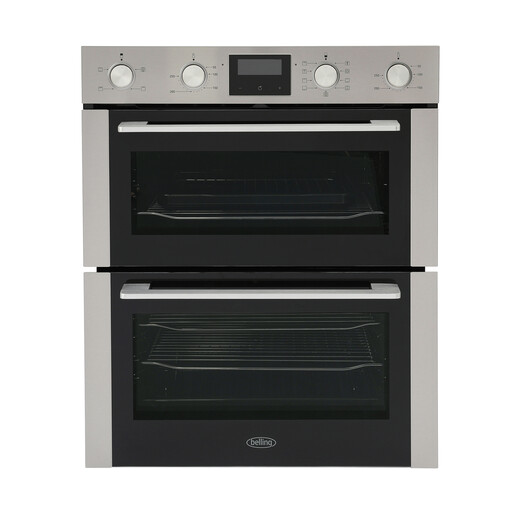
Consider this built-under double oven if that housing format suits your kitchen and you want separate spaces for roasting and another dish. Confirm the required housing and electrical installation details for the exact model.
Read the main oven’s shelf and tray guidance before planning multiple trays of sweet potatoes.
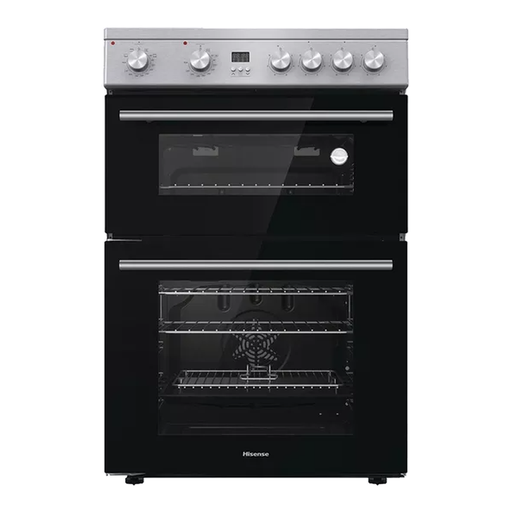 No image available
This freestanding 60 cm cooker is an option if a cooker with a hob suits your kitchen better than a built-in replacement. Its double-oven format may help when sweet potatoes and another dish need separate cooking spaces.
Confirm the required hardwired installation, usable tray dimensions and multi-shelf instructions before purchase.
A fan or documented convection mode is a useful starting point when you plan to use more than one tray, but it does not guarantee identical cooking on every shelf. Check the exact model’s instructions: Hotpoint, for example, advises swapping two trays halfway through Convection Bake on its HO 455H B UK.
Cavity capacity alone cannot tell you whether your trays will fit or cook together as intended. Check usable tray dimensions, shelf positions, supplied accessories and multi-level guidance; if dishes need different temperatures or timings, consider whether separate cavities would be more useful.
Check the exact appliance’s installation instructions against your housing, available space and electrical setup before ordering. Electrical Safety First notes that connection requirements vary between ovens and advises having an oven fitted by a qualified electrician.
No: treat them as optional features for other menu needs or easier access, not prerequisites for roasting sweet potatoes. Beko states that AirFry on its BBIMA17300 uses a special tray, while NEFF’s added-steam and Slide&Hide features have distinct cooking and access purposes; check the exact model before choosing one for those features.