What matters when choosing?
For a lunchbox sponge, assess baking control before deciding whether you need a second cavity. Then check that the oven can be installed in your kitchen.
| Concern | What to check | Who this matters to |
|---|
| Even baking |
Check the available cooking modes and look for independent heat-distribution and temperature-accuracy results for the exact model. Which? tests both measures for built-in ovens. |
If I bake sponge regularly, I want the centre and edges to cook predictably rather than relying on a fan symbol alone. Around 50% of consumers put baking consistency first. |
| Fit and cooking space |
Compare the housing opening with the model’s installation instructions, and check whether one cavity accommodates your tins and normal meals. Consider two cavities if you regularly cook dishes separately. |
When baking overlaps with dinner, I need enough space and the right cavity arrangement without choosing an oven my kitchen cannot accommodate. Fit and cooking flexibility come first for around 30% of consumers. |
| Cleaning and installation |
Compare the model’s cleaning method and instructions; confirm its specified electrical connection and whether your circuit is suitable. Electrical Safety First notes that connection requirements vary between ovens. |
Sticky spills make clean-up important to me, but I also need to know the oven can be connected safely. Around 20% of consumers place cleaning and installation needs first. |
Joybuy single-oven options
These built-in single ovens are options to examine if one cavity suits your lunchbox baking and everyday meals. Compare their exact cooking controls, housing fit and connection instructions before deciding; this selection does not cover the double-oven route.
 No image available
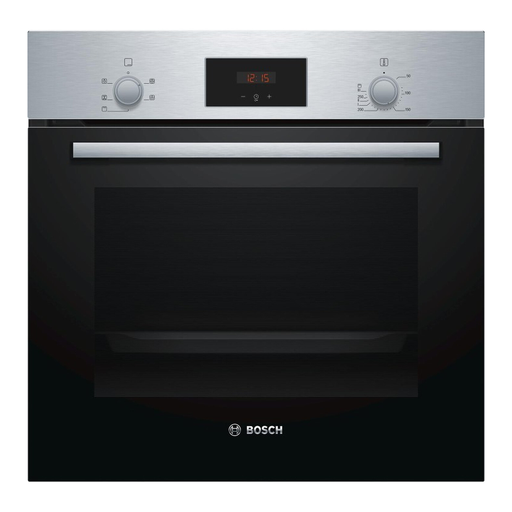
Bosch HHF113BR0B Series 2 single oven, stainless steel
A single-cavity option for one sponge bake at a time. Bosch states that this exact model’s 3D Hotair distributes heat on up to three levels; compare independent baking results if consistency is decisive.
Bosch lists dimensions of 595 x 594 x 548 mm. Confirm the housing fit and the model’s connection instructions before installation.
Joybuy
 No image available
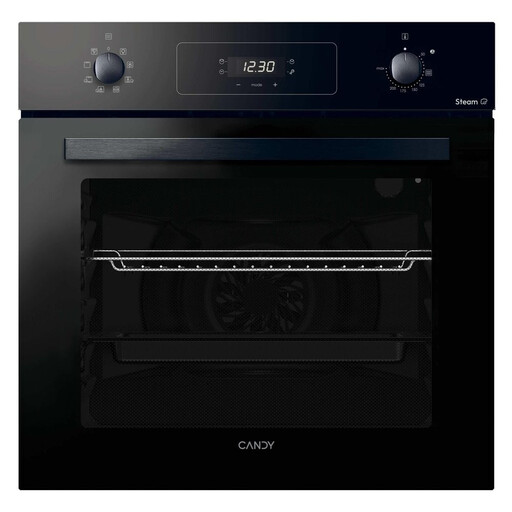
Candy FIDCN605 65 L single oven, black, A+ rated
A single-cavity option if your sponge bake and everyday dishes do not need separate ovens. Check the exact cooking modes and timer controls against how you bake.
The product name specifies a 65 L cavity. Confirm appliance dimensions, housing fit and electrical connection in the model instructions.
Joybuy
 No image available
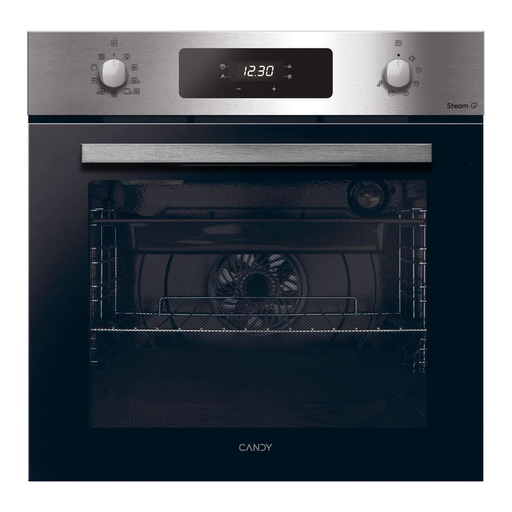
Candy F CM955XRL/CN single oven with pyrolytic cleaning, stainless steel
Consider this single-cavity model if cleaning after sticky bakes is an important part of your choice. Its product name specifies pyrolytic cleaning; follow the exact model manual for cycle and accessory instructions.
Check baking controls, housing dimensions and electrical requirements separately: a cleaning feature does not establish baking consistency.
Joybuy
 No image available
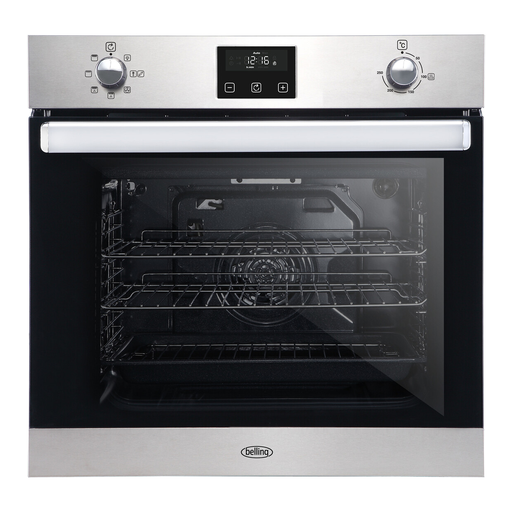
Belling BEL BI602FP single oven, stainless steel, A rated
This built-in single oven is an option when one cavity meets your baking and meal needs. Check its cooking modes and timer against your sponge-baking routine.
Compare the exact appliance dimensions and electrical instructions with your planned installation.
Joybuy
 No image available
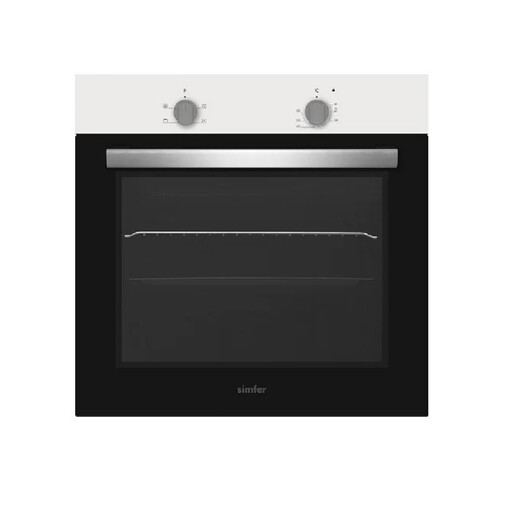
Simfer FO60W single oven, white, A rated
A single-cavity option for households that normally bake one sponge at a time. Check the model’s cooking functions and whether its timing controls suit your routine.
Use the appliance dimensions and installation instructions, rather than packaging measurements, to assess housing fit and connection requirements.
Joybuy
Common questions
Is a fan setting the right choice for treacle sponge?
A fan setting is a useful option, but it does not guarantee an even sponge in every oven. Which? explains that good fan ovens spread heat evenly, while its built-in oven tests assess heat distribution and temperature accuracy by model. For a single-shelf bake, also check the recipe and your oven manual for the appropriate setting.
Should an oven listing show an energy label?
For domestic ovens covered by the relevant UK energy-labelling rules, GOV.UK guidance says an energy label must be displayed at the point of sale, including on a website. Compare the label for the exact models you are considering.
Does every built-in oven need hardwiring?
No: Electrical Safety First says some ovens have a standard plug and fuse, while others require hardwiring into a dedicated circuit. Follow the exact model’s installation instructions and consult a qualified electrician if the connection or circuit suitability is uncertain.
What if a newly purchased oven is faulty?
Contact the seller and explain the fault, keeping your order and installation records. Where repair or replacement is available under the UK Consumer Rights Act 2015, section 23 requires the trader to provide it within a reasonable time, without significant inconvenience, and to bear necessary costs; the appropriate remedy depends on the circumstances.


