Family-meal batch cooks
If kebabs, sides and another dish need to be ready together, compare usable tray space, shelf positions and whether the cooking modes suit the whole meal.


If you are replacing a built-in oven and usually cook one family meal at a time, start with a full-size fan or multifunction single oven with a grill and enough usable tray space for kebabs and sides. A double oven is worth considering when dishes regularly need separate temperatures; whichever format you choose, check the kitchen opening, electrical requirements and supplied trays before ordering.
If kebabs, sides and another dish need to be ready together, compare usable tray space, shelf positions and whether the cooking modes suit the whole meal.
If the new oven must fit an existing cabinet or under-counter position, check the installation opening and electrical connection before comparing extra cooking functions.
If roasting vegetables is a regular meal, compare the exact model’s cleaning system and its instructions rather than assuming every oven in a range cleans the same way.
Choose the oven format around how you prepare the whole meal, then check whether a particular model fits your kitchen and accommodates your trays.
Consider it: When you are replacing a built-in oven and usually roast kebabs and sides in one cooking zone.
Trade-off: One cavity gives you less separation when dishes need different temperatures.
Consider it: When kebabs and another dish often need separate temperatures or timings.
Trade-off: Check that the kitchen accommodates it and that each cavity has the functions you need.
Consider it: When you need to replace the hob as well as the oven.
Trade-off: It is not a like-for-like built-in replacement; check floor space, fuel type and connections.
| Concern | What to check | Who this matters to |
|---|---|---|
| Usable cooking space | Compare the cavity layout, shelf positions and usable dimensions of the supplied trays or grill pan. | If I want kebabs and sides ready together, I need room for both without relying on repeated batches. Around 33% of consumers put usable cooking space first. |
| Roasting and browning | Check the exact model’s fan and grill modes, plus its manual’s shelf and accessory guidance. | When roasting kebabs across a tray, I want a suitable cooking mode and the option to brown them at the end. For roughly 25% of consumers, those cooking functions are the main priority. |
| Fit and electrical connection | Measure the installation opening and check the model’s electrical loading and connection instructions. | If I am replacing an oven in an existing kitchen, it must fit and connect safely before its other features matter. That is the primary concern for around 25% of consumers. |
| Cleaning and ownership | Identify the model’s cleaning method and compare its energy label and product information sheet. | After regular vegetable roasting, I want an upkeep routine I am prepared to follow. Roughly 17% of consumers place cleaning and ongoing ownership information first. |
External width does not tell you the usable tray dimensions, shelf arrangement or which accessories come with the oven.
Check the exact model’s cavity layout and supplied trays against the kebabs and side dishes you plan to cook.
An unsuitable electrical supply or cabinet opening can prevent safe installation, regardless of the cooking functions.
Read the installation instructions, compare the electrical requirements with your kitchen and arrange an appropriately qualified installer for fixed electrical work.
A model that needs a different electrical connection may require installation work before it can be used.
Grill settings, usable area and accessories differ by model; the way skewers are arranged also matters.
Confirm the available grill mode and accessories, then follow the model manual and recipe guidance for rack position and turning.
An energy label does not tell you whether the oven fits your kitchen or has enough space and functions for a family meal.
Read the label and product information sheet alongside the cavity, cooking-mode and installation specifications.
Relevant if you are comparing full-size built-in single ovens for everyday family meals.
Relevant if you want to compare single and double built-in oven formats.
Relevant if multilevel cooking in a built-in single oven is important to your meal plan.
Relevant if you are comparing a built-in oven with multilevel cooking, grilling and a specified cleaning system.
These built-in single and double ovens relate to roasting vegetable kebabs as part of a family meal. If separate dishes need different temperatures, compare the double-oven layouts; if one cooking zone suits your routine, consider the single oven. Check tray fit and installation requirements for the exact model.
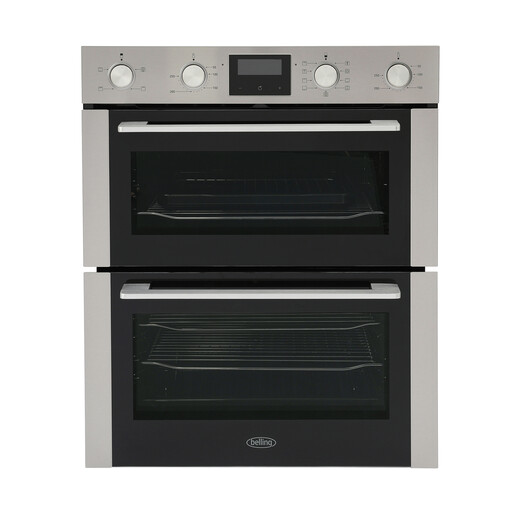 No image available
Consider this built-under model when replacing an oven beneath the worktop and planning kebabs alongside other dishes. Check the required opening, electrical connection and usable dimensions of the supplied trays before ordering.
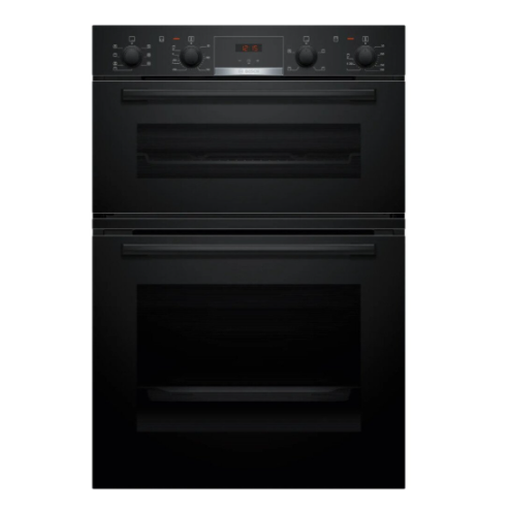 No image available
Consider the two-cavity format if kebabs and another dish need different temperatures. The listing specifies hardwiring and an approximately 5.9 kW connected load; confirm the supply, housing clearances and tray fit with the installation instructions.
 No image available
This double-oven format is relevant when kebabs and sides need separate cooking schedules. The title specifies a 90 cm model; check the required installation opening, electrical loading and usable tray dimensions before choosing it.
 No image available
Consider this single oven if one cooking cavity suits your family meals. The listing specifies hardwiring and a 3.3 kW total load; check supply compatibility, installation clearances and whether the usable trays suit your skewers.
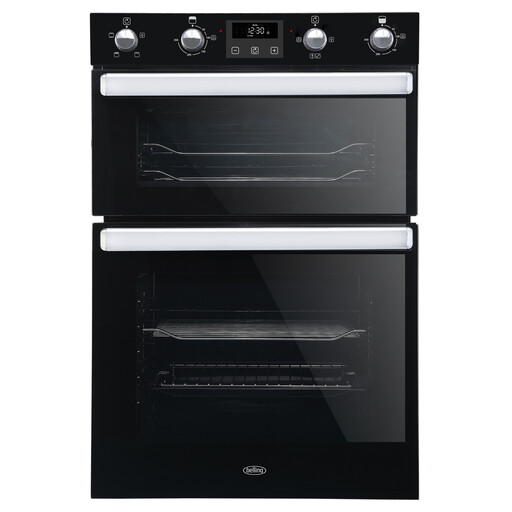 No image available
Consider a double oven if you often prepare kebabs and another dish on different schedules. Compare the appliance dimensions and required opening, then check its electrical requirements and supplied trays before ordering.
A fan oven is a sensible option for roasting vegetable kebabs across a tray: Electrical Safety First describes fan ovens as distributing heat evenly. Leave room around the food and follow the recipe and model manual for shelf position, turning and any grill finish.
Consider a double oven when kebabs and another dish regularly need different temperatures or timings. Check the capacity and available functions of each cavity, because the overall appliance size does not tell you what each cooking zone can accommodate.
Yes: check the exact oven’s electrical loading and connection instructions against your kitchen supply before ordering. Electrical Safety First advises that connection requirements differ between ovens; use an appropriately qualified installer where fixed electrical work is needed.
Use the energy label and product information sheet to compare the stated energy information for the exact model. They do not replace checks of cavity space, cooking functions or installation fit.
Choose a cleaning method you are prepared to use regularly, then follow that model’s instructions. Catalytic, steam-assisted and pyrolytic systems differ, so check which one the exact oven has rather than relying on the brand name.