For regular lunchbox batches, consider a built-in oven with a fan setting and room for your usual baking tray; conventional top-and-bottom heat is also a useful option for a single tray of scones. If kitchen space or installation makes that impractical, a countertop oven or combination convection microwave may suit smaller batches, provided its baking mode, tray space and electrical requirements work for your kitchen.
Who each oven format suits
Weekly lunchbox batch bakers
If you regularly make several cheese scones at once, tray space and a choice of baking settings matter. A built-in oven is worth considering when your kitchen has suitable housing and an appropriate electrical connection; check its actual tray dimensions before assuming your whole batch will fit.
Small-kitchen scone bakers
A countertop oven can make sense when a built-in installation is impractical or your batches are small. Check where it can stand safely, the clearances it needs and how many scones its usable tray will hold.
One-appliance convenience cooks
If the same countertop appliance needs to reheat food and occasionally bake scones, consider a combination microwave with a convection mode. Its microwave function alone is not a substitute for the oven setting used by a cheese-scone recipe; check the baking accessories and available tray space too.
What matters when choosing
Choose the oven format around how often you bake and the space available, then check the baking mode and usable tray against your usual scone batch.
Built-in fan oven
Consider it when: You bake lunchbox batches regularly and have suitable oven housing and an electrical connection.
Trade-off: Installation needs planning, even if the larger format gives you more scope to choose a tray and shelf arrangement.
Countertop oven
Consider it when: A built-in oven is impractical and you make batches that fit a countertop model's baking tray.
Trade-off: The space saved on installation must be balanced against counter space, safe clearances and a potentially smaller tray.
Combination convection microwave
Consider it when: One appliance needs to handle everyday reheating and occasional oven-style baking.
Trade-off: You must use its convection mode for an oven-baked scone recipe and confirm that its accessories accommodate your batch.
| Concern |
What to check |
Who this matters to |
| Baking mode and temperature |
Identify the oven's fan and conventional settings, then check that its temperature range covers the recipe you plan to use. Good Food's cheese-scone recipe specifies 200°C fan or 220°C conventional. |
If I mainly bake one tray, I want a setting that works with my recipe rather than assuming every fan symbol means the same thing. Around 42% of consumers put recipe-compatible, dependable scone baking first. |
| Usable tray space |
Compare the internal space and supplied tray dimensions with your usual number and size of scones; a capacity figure alone does not tell you how they will fit. |
When I prepare several lunchboxes together, I need to know how many scones can sit separately on a tray. For roughly 33% of consumers, fitting the batch is the primary concern. |
| Kitchen fit and functions |
Check built-in housing and electrical requirements, or countertop placement and clearances. For a combination microwave, confirm its convection mode and baking accessories. |
If I have limited kitchen space or need the appliance for reheating too, its placement and functions shape my choice. About 25% of consumers place those practical needs first. |
Buying mistakes to avoid
-
Assuming every fan symbol describes the same heat setting
Which? distinguishes a true-fan setting, with a heating element around the fan, from settings that circulate heat supplied by other elements. It also identifies conventional top-and-bottom heat as suitable for single-shelf scones.
Read the model's control guide before buying, particularly if you want both a fan setting for larger batches and conventional heat for one tray.
-
Choosing by litre capacity alone
The cavity figure does not show the usable width of a baking tray or how shelves are arranged. That matters when several scones need space on the same tray.
Measure your usual baking sheet or plan the space your batch needs, then compare it with the oven's internal dimensions and supplied accessories.
-
Assuming any extension lead will do
Electrical Safety First warns that an extension lead can be overloaded when an oven is combined with other high-power appliances, creating a fire risk.
Check the oven's power requirements and the proposed socket or installation arrangement. Ask a qualified electrician about an uncertain circuit rather than relying on an extension lead.
-
Treating a combination microwave like a full-size oven
A combination model can offer convection baking, but that does not establish that your baking tray or usual lunchbox batch will fit.
Confirm the convection setting, compatible baking accessories and internal dimensions before planning to bake scones in it.
Relevant brands to consider
Bosch
Bosch has a built-in model relevant to shoppers considering regular batch baking.
- Bosch describes the HHF113BR0B's 3D Hotair setting as distributing heat across up to three levels.
- That description applies to the HHF113BR0B, not every Bosch oven. Check the model's tray fit, housing dimensions and installation requirements.
AEG
AEG is relevant when comparing built-in models with true-fan and multilevel cooking settings.
- AEG lists True Fan Cooking and multilevel cooking for its GE7CP61FB double oven.
- The GE7CP61FB is a double oven. Its format and installation needs should not be assumed to match a single built-in or countertop oven.
Ninja
Ninja is relevant to shoppers considering a countertop appliance instead of a built-in installation.
- Ninja lists Bake among the functions of its DT200UK countertop oven.
- Check the DT200UK's usable tray dimensions and placement requirements against your intended scone batch.
Joybuy products for these oven formats
These models offer built-in fan-oven or countertop combination-microwave options for the lunchbox-scone decision. Compare each one with your kitchen space, intended batch and recipe before choosing.
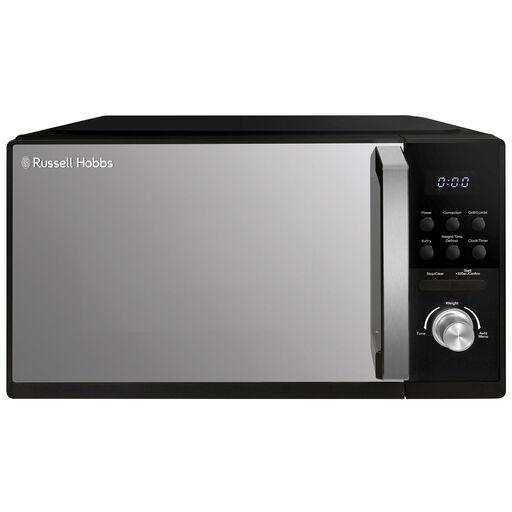 Image unavailable
Russell Hobbs RHMAF2508B 25 Litre 4-in-1 Combination Microwave, Black
Consider this countertop format if you want one appliance for reheating and occasional scone baking. Check the RHMAF2508B's convection temperature settings, suitable baking accessories and usable tray space against your recipe and batch; an air-fryer tray should not automatically be treated as a scone tray.
View on Joybuy
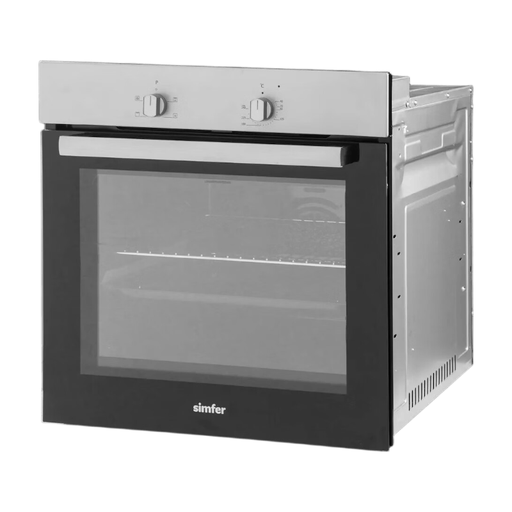 Image unavailable
Simfer FO60S Built-in Single Electric Fan Oven, Silver
This built-in fan oven is relevant if you bake lunchbox batches regularly and have suitable housing. Check its temperature settings, the dimensions of a tray suitable for scones and the required electrical connection before ordering; a grill pan does not by itself establish baking-tray fit.
View on Joybuy
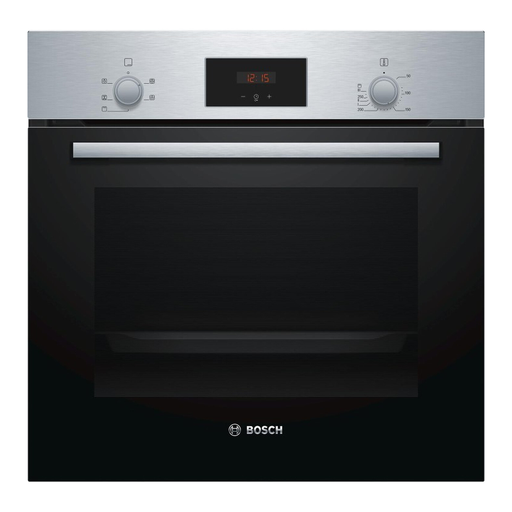 Image unavailable
Bosch HHF113BR0B Series 2 Built-in Single Electric Oven, Stainless Steel
For regular batches, this model is worth considering if its housing and tray arrangement suit your kitchen. Bosch lists 3D Hotair for cooking on up to three levels and appliance dimensions of 595 × 594 × 548 mm. Check its temperature settings, usable baking-tray dimensions and electrical installation requirements for your intended setup.
View on Joybuy
 Image unavailable
Samsung MC28A5125AK/EU 28L Convection Combination Microwave, Black
This combination format is relevant when reheating and occasional convection baking need to share an appliance. Check that its convection temperature settings suit your recipe and that its internal space and compatible baking accessories fit your scone batch.
View on Joybuy
 Image unavailable
Toshiba MW3-SAC23SF(MB) 23L 4-in-1 Combination Microwave, Mirror Black
Consider this countertop model if you need microwave use alongside occasional scone baking. Toshiba's model offers microwave, grill and convection modes; use the convection mode for an oven-baked recipe. Check the convection temperature settings and supplied baking accessories, and do not assume that its stated 288 mm turntable determines baking-tray fit.
View on Joybuy
Questions about baking cheese scones
What fan-oven temperature should I use for cheese scones?
Start with the temperature in your chosen recipe. Good Food's cheese-scone recipe gives 200°C fan or 220°C conventional and a baking time of 12–15 minutes; those instructions apply to that recipe, so check your first batch for browning and doneness.
Is fan heat necessary for a single tray of scones?
No. Which? identifies conventional top-and-bottom heat as suitable for single-shelf scones, while fan settings can be useful when cooking across shelves. If your batch sizes vary, check whether the oven offers both settings.
What should I check before installing an electric oven?
Check the specific model's power requirements and the suitability of your proposed connection before buying. Electrical Safety First advises having an oven fitted by a qualified electrician and notes that connection requirements differ between ovens; do not assume a plug, existing circuit or extension lead is suitable.
Should cheese scones cool before going into a lunchbox?
Let freshly baked scones cool before packing them. Good Food's recipe directs you to leave them briefly on the tray and then transfer them to a wire rack.


