Repeat-batch bake-sale organisers
If several trays need baking, compare heated fan modes and shelf arrangements rather than judging an oven by its capacity alone. Which? identifies fan cooking as useful when more than one shelf is in use.


For an occasional single tray of cheese scones, a compatible single oven with the baking mode specified by your recipe can be enough. If you need to run repeated trays alongside another cooking task, consider a double oven; choose a freestanding cooker when the hob also needs replacing. Check tray space, kitchen fit and installation requirements before deciding.
If several trays need baking, compare heated fan modes and shelf arrangements rather than judging an oven by its capacity alone. Which? identifies fan cooking as useful when more than one shelf is in use.
An existing built-in aperture or freestanding cooker space may determine which layout is practical. Check installation dimensions as well as the room available for your baking trays.
For a single tray, match the oven mode and temperature to your recipe before paying attention to extra cooking functions. Supplying scones at an event also calls for food-safety and ingredient-information checks.
Start with the number of trays and cooking tasks you need to manage, then rule out layouts that do not fit the kitchen or its installation arrangements. For cheese-scone bake-sale consumers, the concerns below describe the primary need each would put first if they had to make a trade-off.
| Concern | What to check | Who this matters to |
|---|---|---|
| Baking across trays | Identify a heated fan or multilevel mode, and check which shelf positions the model permits for baking. | If several trays must come out consistently, I would prioritise the baking mode over extra programmes. Roughly 36% of consumers would put consistency across trays first. |
| Capacity and separate tasks | Compare cavity count, shelf positions and usable tray space; litres alone do not show whether your trays fit. | When scones and another bake-sale task need attention at the same time, a separate cavity matters more to me than headline capacity. Around 29% of consumers would make task capacity their primary concern. |
| Kitchen fit and connection | Measure the housing or cooker bay against the exact installation drawing, and check the specified electrical or gas connection. | I need an appliance that fits the space and can be installed as required before its cooking features are useful. About 21% of consumers would put fit and installation first. |
| Cleaning and everyday use | Check the model’s cleaning method and whether its cooking functions suit meals beyond the bake sale. | After the event, I will still use the oven at home, so upkeep and ordinary cooking matter to my choice. Roughly 14% of consumers would prioritise that longer-term use. |
A fan symbol does not by itself establish that the oven is heating in the mode you need. Which? distinguishes the usefulness of fan cooking across shelves from conventional top-and-bottom heat for a single shelf of scones.
Check the exact model’s control guide and follow your recipe’s stated temperature for the mode selected. Good Food’s cheese-scone recipe specifies 200°C conventional or 180°C fan.
A large single cavity and two separate cavities organise bake-sale work differently. Neither a capacity figure nor a cavity count tells you whether your own trays will fit on the shelves you plan to use.
Check usable tray dimensions, shelf positions and the baking functions available in each cavity before ordering.
A built-in oven must suit its housing, while a freestanding cooker needs an appropriate bay. The Bosch MBA533BB3B specifies fixed electrical connection, and the Hotpoint HDE5VDCB retailer listing specifies hard wiring.
Compare the exact installation drawing with your space and arrange a qualified electrician where the appliance instructions require one. Electrical Safety First advises having an oven fitted by a qualified electrician.
GOV.UK states that food supplied at charity and community events must be safe to eat. Whether selling activity needs food-business registration depends on the circumstances.
Identify the ingredients and possible allergen cross-contact, and ask the relevant local authority about registration and food-information requirements before the event.
These examples illustrate different oven layouts and features; a brand’s inclusion does not establish that every model has the same functions.
The MBA533BB3B is a built-in double-oven example for kitchens with suitable housing.
The BEX335011B illustrates the built-in single-oven route where a second cavity is not needed.
The HDE5VDCB is a freestanding double cooker; the HOI68PPT2SBUK is a built-in single oven.
The AFC5100WH is a freestanding cooker option for replacing a cooker and hob together.
These choices cover built-in single and double ovens, plus a freestanding cooker for households also replacing a hob. Match the baking mode and tray space to your batch plan, then confirm that the particular appliance suits your kitchen and connection.
 No image available
Consider this built-in double oven if repeated scone baking and a separate cooking task both matter. Bosch lists 3D Hotair and a 50–275°C temperature range for the MBA533BB3B; confirm the housing, tray fit and fixed electrical connection before ordering.
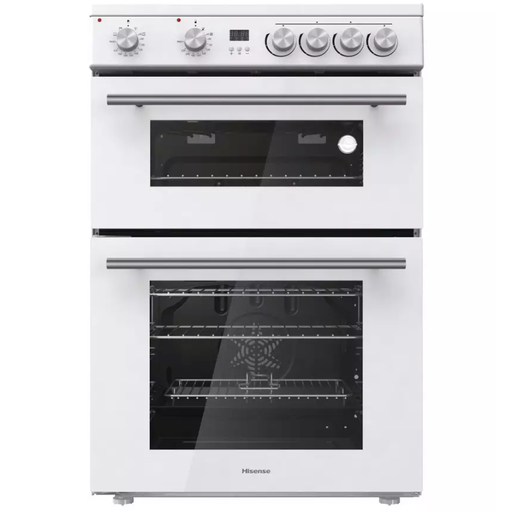 No image available
Consider this freestanding cooker if the hob and oven both need replacing. Its product name identifies a double oven and ceramic hob; confirm the baking functions, tray fit and electrical installation requirements for your kitchen.
 No image available
Consider a single built-in cavity when baking can happen in sequence rather than alongside a separate oven task. Check the HHF113BA0B’s baking modes, housing cut-out, tray fit and electrical connection against your plans.
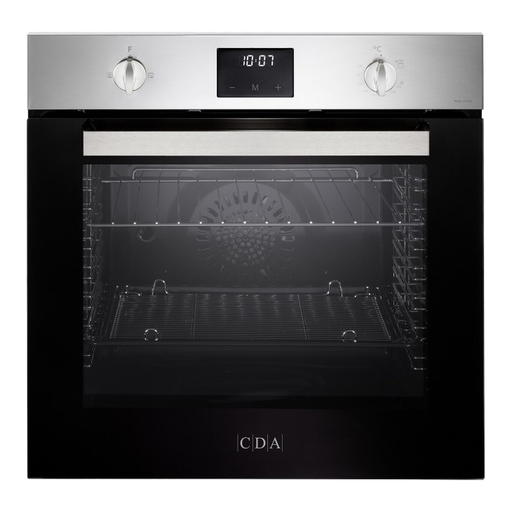 No image available
Consider this single-cavity option only if a gas oven suits the kitchen and your batch plan does not require a second cavity. Its product name specifies a 70 L gas fan oven; confirm the stated gas supply or conversion, installation arrangements and usable tray space.
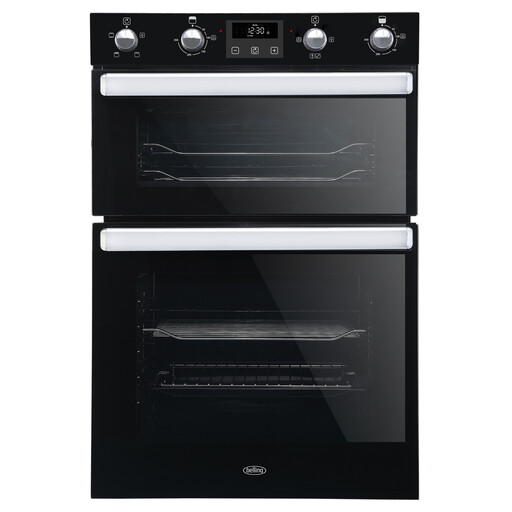 No image available
Consider a built-in double oven if a separate cavity would help organise bake-sale cooking. For the BEL BI902FP, check which baking modes each cavity offers, whether your trays fit, and the required housing and electrical connection.
Use the setting and temperature specified by your recipe for that oven mode. Good Food’s cheese-scone recipe gives 200°C conventional or 180°C fan and a 15–20 minute bake; Which? identifies conventional top-and-bottom heat as suitable for a single shelf of scones and fan cooking as useful across multiple shelves.
Check with the relevant local authority before selling, particularly if the activity is organised or repeated. GOV.UK says that people who sell or prepare food may be considered food businesses and need to register; its community-event guidance for England, Northern Ireland and Wales also requires food supplied at such events to be safe to eat. If the event is in Scotland, confirm the applicable requirements with the local authority there.
Identify every ingredient and potential cross-contact risk in the recipe you actually use, including any cereals containing gluten and milk. The Food Standards Agency says that a food business producing food prepacked for direct sale must label it with the food name and a full ingredients list; check how the rules apply to your sale and packaging with the relevant local authority.
Do not assume the appliance can simply be plugged in. Bosch specifies electrician connection for the MBA533BB3B, and the Hotpoint HDE5VDCB retailer listing specifies hard wiring; Electrical Safety First advises having an oven fitted by a qualified electrician and following the manufacturer’s instructions for the exact model.