Bakers focused on consistent browning
If biscuits need to brown evenly across a tray, look beyond the list of cooking modes. Which? assesses heat distribution by baking trays of shortbread, making model-specific baking results a useful check.


If one cavity covers your usual oat-biscuit batches, start with a single electric oven with a documented fan or hot-air setting, then look for independent evidence of even baking. Consider a double oven when you need separate cavities for biscuits and another dish; either way, check cabinet fit, electrical connection and cleaning instructions before ordering.
If biscuits need to brown evenly across a tray, look beyond the list of cooking modes. Which? assesses heat distribution by baking trays of shortbread, making model-specific baking results a useful check.
If you regularly bake several trays or cook another dish alongside biscuits, compare usable shelf levels and whether a second cavity would help. Bosch and NEFF state that selected hot-air models support baking on up to three levels; check the capability of the exact oven you are considering.
If the oven must fit an existing kitchen, check its dimensions and connection requirements before choosing cleaning features. Electrical Safety First advises reviewing an oven’s power requirements before purchase.
Choose it when: One cavity accommodates your usual biscuit batches and other cooking.
Trade-off: You cannot use a separate oven cavity for a dish needing different cooking conditions at the same time.
Choose it when: You regularly need one cavity for biscuits and another for a separate dish.
Trade-off: Check that the taller appliance fits your cabinet and that its electrical connection suits the installation.
| Concern | What to check | Who this matters to |
|---|---|---|
| Even browning and temperature control | Check the exact oven’s fan or hot-air modes and model-specific assessments of heat distribution and temperature control. | If I want oat biscuits to brown consistently across a tray, I need more than a fan setting as reassurance. Around 45% of consumers put even baking first. |
| Batch capacity and separate cooking | Compare usable shelf positions and stated multi-level capability; decide whether a second cavity has a purpose in your kitchen. | When several trays or another dish are part of the routine, space to cook them becomes the deciding need. Batch flexibility comes first for around 33% of consumers. |
| Fit, connection and upkeep | Confirm cabinet dimensions and electrical requirements, then check the exact cleaning method and energy-label information. | I need an oven that can be installed in my kitchen and maintained after regular baking. For around 22% of consumers, practical fit and upkeep are the primary concern. |
Hot-air capability and actual baking results are different questions. Which? assesses heat distribution by baking shortbread, so a feature name alone does not establish how evenly a particular oven browns biscuits.
Use fan or hot-air capability to narrow your choices, then look for independent heat-distribution and temperature-control results for the exact model.
Built-in ovens differ in dimensions and connection requirements. Bosch specifies electrician connection for the MBA533BB3B double oven, so its installation cannot be assumed to match another model’s.
Measure the cabinet opening and check the installation instructions. If the connection or circuit suitability is unclear, seek advice from a qualified electrician before ordering.
A second cavity is useful when cooking tasks need to be kept separate, but it does not establish that biscuits will bake more evenly. It also changes the space needed for installation.
If one cavity normally meets your needs, compare single ovens on baking performance before deciding whether you would use the extra cavity.
Cleaning methods are model-specific: NEFF lists EcoClean and hydrolytic cleaning for the B3ACE4AG3B, while Which? reports Hisense’s description of pyrolytic cleaning on the Hi2 BI626PBUPUK.
Check the exact oven’s manual for its cleaning method and cycle instructions, separately from assessing its baking performance.
Relevant when comparing selected single and double built-in ovens with 3D Hotair.
Relevant when comparing selected single built-in ovens with CircoTherm multi-level baking.
Relevant if a high-capacity single built-in oven with a pyrolytic-cleaning option is under consideration.
These choices include built-in single and double ovens, plus a freestanding cooker for kitchens needing a hob as well as oven cavities. Match the appliance type to your available space and usual baking volume before comparing individual models.
 No image available
Consider this built-in double oven if you need separate cavities for biscuits and another dish.
Bosch specifies electrician electrical connection for the MBA533BB3B. Check the cabinet opening and installation requirements before choosing it.
If even biscuit browning will decide your purchase, look for baking-test results for this exact model rather than relying on a cooking-mode name.
 No image available
A single-cavity choice for a kitchen where usual biscuit batches do not call for a second oven.
Check this exact model’s baking-test results, cabinet requirements and electrical connection before ordering.
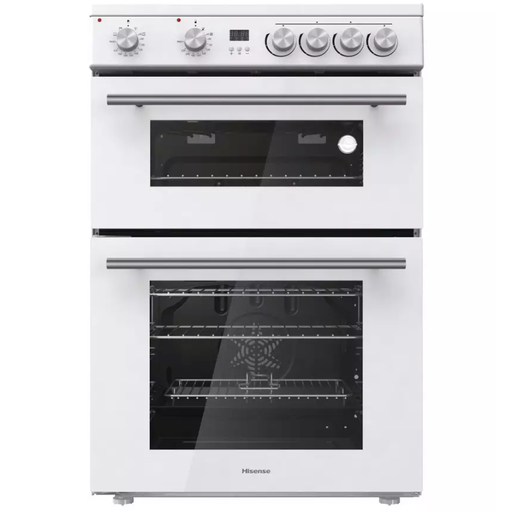 No image available
Consider this freestanding cooker if your kitchen needs a hob and two oven cavities rather than a built-in oven alone.
Check the available floor space and electrical installation requirements. For biscuit baking, seek results for this exact model’s heat distribution.
 No image available
Another built-in double-oven option if separate cooking cavities suit your baking routine.
Confirm the cabinet fit and electrical connection, and assess model-specific baking results if consistent biscuit browning is your priority.
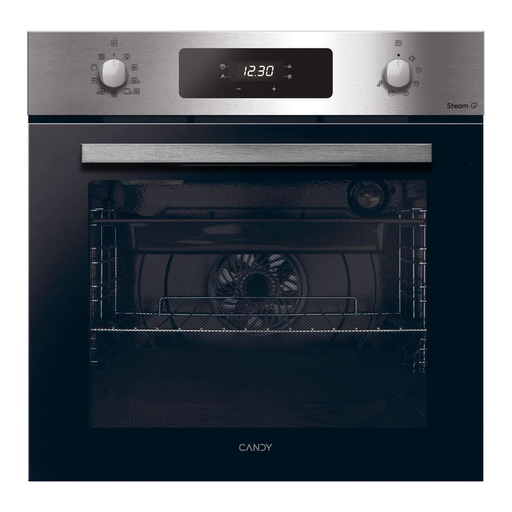 No image available
Consider this single oven if one cavity is sufficient and a pyrolytic-cleaning feature matters to you.
Read the cleaning-cycle instructions, including whether shelves and trays must be removed. Confirm cabinet fit and electrical connection, and check baking results separately from cleaning features.
Yes, a fan or hot-air oven is a useful starting point, particularly if you want to compare multi-level baking capability. Bosch and NEFF state that selected models can bake on up to three levels, but that does not establish even browning for every fan oven; check independent results for the exact model.
Consider a double oven when you regularly need separate cavities for biscuits and another dish. If one cavity meets your normal baking volume, compare single ovens too; for a double oven, confirm the taller installation space and its electrical requirements.
Check the exact oven’s power requirements and specified connection type against your kitchen installation. Electrical Safety First advises reviewing power requirements before choosing an oven, and Bosch specifies electrician connection for its MBA533BB3B double oven; seek qualified advice if your circuit or connection is unclear.
Look for the energy label on an in-scope oven’s product listing. GOV.UK guidance says an energy label must be displayed at the point of sale, including on a website; check the information for the exact model rather than relying on an energy rating in a shortened product title.
No. A pyrolytic-cleaning feature describes a cleaning method, not biscuit-baking performance. Check the model’s cleaning-cycle instructions and assess heat distribution separately if even browning matters to you.