Large-batch party hosts
You need several trays of sausage rolls alongside other birthday food. Decide whether extra shelf space is enough or whether the menu needs two separate cooking cavities.


Choose a built-in double oven if sausage rolls need to bake while other party food uses a separate cavity. A full-size single fan oven makes more sense when several trays can share one setting; consider a compact convection appliance only if smaller batches suit your plans. Whichever format you choose, check usable tray space, cabinet fit and installation requirements before ordering.
You need several trays of sausage rolls alongside other birthday food. Decide whether extra shelf space is enough or whether the menu needs two separate cooking cavities.
You have one built-in oven space and want to bake party batches without changing the kitchen layout. Tray fit, permitted shelf positions and installation requirements shape the choice.
You want to coordinate batches and manage cleanup after pastry and filling spills. Check what the timer and cleaning features actually cover, while following the sausage-roll cooking instructions.
For birthday-party sausage rolls, decide whether you need separate cooking settings or simply room for more trays. Then check that the oven and its installation suit your kitchen.
Choose when: Sausage rolls and another dish need separate cavities or different cooking schedules.
Allow for: A suitable built-in space and the electrical connection specified for the exact model.
Choose when: Several trays can bake in one cavity on compatible settings. NEFF states that its B1ACE4AG3B supports baking on up to three levels.
Allow for: Other party dishes must share that cavity, so their temperatures and timing need to work together.
Choose when: A built-in oven is unsuitable and the planned quantity can be cooked in smaller batches.
Allow for: Check the exact appliance’s internal tray space, electrical requirements and ventilation clearances before treating it as a substitute for a full-size oven.
| Concern | What to check | Who this matters to |
|---|---|---|
| Batch capacity and separate zones | Count the trays and other dishes needed at the busiest point; check whether they require different settings. | If sausage rolls must cook alongside food needing another setting, I need a second cavity rather than just more shelves. Around 36% of consumers would put separate cooking zones or batch capacity first. |
| Browning across shelves | Check permitted shelf positions in the manual and independent heat-distribution results for the exact model where available. | When several trays need to be ready together, I want to know whether their pastry will brown consistently. Even multi-shelf baking would be the main concern for around 29% of consumers. |
| Kitchen fit and connection | Measure the cabinet aperture and check ventilation clearances and the exact electrical or gas connection requirements. | I cannot use a built-in oven that does not fit my cabinet or suit its supply. For around 21% of consumers, fit and installation would be the priority. |
| Cleanup and timing | Check the timer and which oven parts the cleaning feature covers; follow the sausage-roll cooking instructions. | With party food to coordinate, I want manageable cleanup and a reliable way to check that the filling is cooked. Around 14% of consumers would put these practical tasks first. |
A fan or hot-air feature does not establish that pastry browns equally on every shelf. Which? assesses heat distribution and temperature-control accuracy because results differ between tested ovens.
Use multilevel cooking to narrow the choice, then check model-level testing where available and follow the manual’s shelf guidance.
A built-in oven’s visible width does not tell you whether its housing depth, height or ventilation requirements suit the cabinet. Connection requirements can differ too.
Measure the aperture in three dimensions and check the exact installation instructions and connection type before ordering.
An unsuitable cabinet or supply may mean arranging installation work before the oven can be used.
Brown pastry and an elapsed timer do not, by themselves, show that the thickest part of a meat filling is cooked through.
Follow the pack or recipe instructions and, when a probe check is needed, measure the thickest part of the filling with a suitable food probe.
These models illustrate different built-in oven features; check the exact variant rather than assuming the same features apply across a brand.
Bosch’s MBA533BS3B is a built-in double oven for buyers considering separate cavities for party food.
NEFF’s B1ACE4AG3B is a 60 cm built-in single oven for a kitchen with one oven space.
AEG’s OU5AB20CK is a built-in single oven with a stated 65 L cavity.
These built-in double and single ovens offer different ways to plan birthday-party batches. A separate cavity matters when dishes need different settings; for one-cavity baking, check the usable shelf and tray arrangement. The gas model also requires a suitable gas installation.
 No image available
Consider this double oven when sausage rolls and another party dish need separate cooking spaces.
Check the housing, ventilation and electrical installation instructions before ordering. Follow the model’s shelf guidance rather than assuming every level browns alike.
 No image available
The double-oven layout is relevant if another party dish needs a separate cavity while sausage rolls bake.
Check that the 90 cm built-in format suits your cabinet, and confirm the connection and permitted shelf arrangements in the installation and cooking instructions.
 No image available
Consider this single oven when the planned sausage-roll trays can share one cooking setting.
It cannot provide a separate cavity for another dish. Check tray fit, shelf guidance, cabinet dimensions and electrical installation requirements for this model.
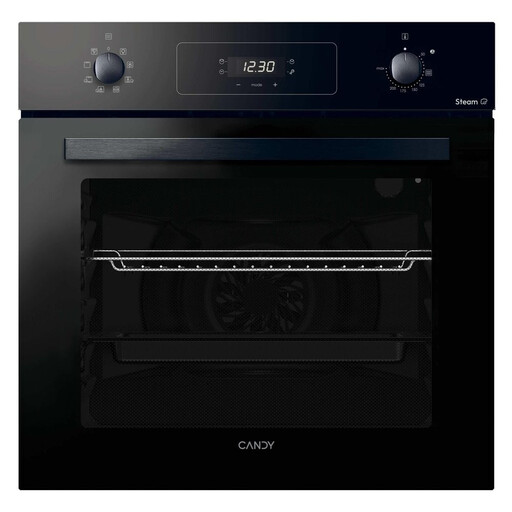 No image available
A single cavity may suit party baking when the food can share one oven setting.
The stated 65 L capacity does not tell you which trays fit or whether the shelves can be used together. Confirm those points and the exact electrical connection instructions before ordering.
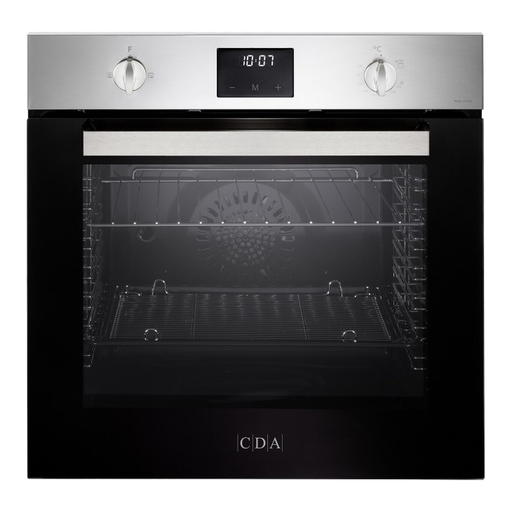 No image available
Consider this gas fan oven only if a single cavity suits the menu and the gas installation suits the exact appliance.
Its stated 70 L capacity alone does not establish usable tray space or multi-shelf results. Check gas compatibility, installation arrangements and the manual’s shelf guidance.
Not if the planned trays and other food can share one cavity and compatible settings. A double oven becomes useful when another dish needs a separate cavity or cooking schedule; Which? notes that double ovens allow multiple dishes to be cooked at once. Check the exact model’s tray space before deciding.
Not necessarily: a multilevel fan feature does not guarantee the same browning on every shelf. Which? assesses heat distribution and temperature-control accuracy at model level. Check independent results where available and use the shelf positions recommended in your oven’s manual.
Check the exact appliance instructions and the work your kitchen requires before arranging installation. Bosch specifies electrician connection for its MBA533BS3B, and NEFF specifies no plug and electrician connection for its B1ACE4AG3B. For new domestic wiring, check the applicable building requirements and use an appropriately qualified installer where required.
Follow the sausage-roll pack or recipe instructions rather than judging doneness by pastry colour or the oven timer alone. If a probe check is needed, measure the thickest part of the filling with a suitable food probe.