Frequent batch meal preppers
If you roast several portions for future meals, focus on usable tray space, permitted shelf combinations and whether a second cavity would let you cook something else at the same time.


Choose a built-in double oven if you regularly need several trays or a second cavity; choose a countertop convection oven if you need extra roasting space without changing fitted cabinetry. A single built-in fan oven is another option when you need to replace one fitted oven but not add a second cavity. For any format, compare the trays and shelf positions you can actually use, then check placement, electrical requirements and how you will chill portions saved for later.
If you roast several portions for future meals, focus on usable tray space, permitted shelf combinations and whether a second cavity would let you cook something else at the same time.
A countertop oven can provide another place to roast without replacing a fitted oven. Measure the worktop and check the appliance’s clearance and electrical instructions before deciding that it fits.
If you are replacing or adding a built-in oven, decide whether one cavity meets your batch routine or whether you would use a second. Cabinet dimensions and the required connection matter before ordering.
Choose when: You regularly need several trays or want to cook another dish in a separate cavity.
Trade-off: It needs suitable fitted space and model-specific installation planning.
Choose when: You want an additional roasting appliance without replacing fitted cabinetry.
Trade-off: The worktop position, clearances and usable tray layout must suit your batch.
Choose when: You are replacing one fitted oven and do not need an independent second cavity.
Trade-off: Any simultaneous tray cooking must fit within the one cavity and its permitted shelf arrangement.
For batch-roasted sweet potatoes, settle the usable tray layout before relying on a quoted cavity volume. Then check where the oven will go and how it must be connected.
| Concern | What to check | Who this matters to |
|---|---|---|
| Batch space | Measure the roasting tray and check usable shelf positions and permitted multi-level cooking. | If I prepare several portions at once, I need room to spread them across usable trays rather than judge capacity by litres alone. Around 36% of consumers would put batch layout first. |
| Fit and connection | Check external dimensions and clearances, plus the exact model’s socket or installation requirements. | When kitchen space or the available connection limits my options, I need an oven I can position and install appropriately. Roughly 29% of consumers would make fit and connection their primary concern. |
| Roasting controls | Confirm the fan or hot-air mode and whether the temperature range covers your intended recipe. | If I repeat the same roasting routine, I want controls that let me use my chosen temperature and tray arrangement. Around 21% of consumers would prioritise roasting controls. |
| Cleaning and storage | Check the exact model’s cleaning features and plan containers and fridge space for cooked portions. | After a large batch, I need a manageable clean-up and somewhere to chill portions kept for later. Roughly 14% of consumers would put that routine first. |
Cavity volume does not tell you how many trays fit, how far apart they sit or which shelf combinations the oven permits.
Measure the tray you intend to use, then check rack positions, supplied accessories and multi-level instructions for the exact model.
The appliance also needs the placement and clearances in its instructions. Electrical Safety First warns that an oven used with other large appliances may overload an extension lead and create a fire risk.
Measure the proposed worktop position, follow the manufacturer’s electrical instructions and ask a qualified electrician if the circuit is uncertain.
Connection methods differ between ovens. Electrical Safety First notes that some use a standard plug while others require hardwiring to a dedicated circuit.
Confirm cabinet dimensions, connection type and installation requirements for the model before ordering.
The chosen position may also require cabinetry alterations.
Cooking more sweet potatoes at once leaves more food to handle promptly afterwards. A Food Standards Agency literature review reports the recommendation to refrigerate leftovers within two hours.
Have containers and fridge space ready, and follow the food-safety instructions relevant to any other ingredients in the meal.
These brands illustrate the oven formats in this decision; compare individual models rather than assuming that every oven in a brand’s range has the same features.
Relevant to consumers considering fitted single or double ovens for multi-level cooking.
Relevant to consumers adding a countertop oven rather than replacing a fitted appliance.
Relevant to consumers looking for shelf-based roasting in a countertop mini oven.
These fitted single and double ovens are relevant if you plan to use or replace kitchen cabinetry for batch roasting. Compare their actual tray arrangements and installation requirements; this selection does not cover the countertop route.
 No image available
Consider this fitted double oven if you want to roast a batch while retaining a separate cavity for other food.
The Joybuy listing gives a 71-litre main oven and a 34-litre second oven. Check the trays and permitted shelf combinations against your batch, and confirm cabinet fit and electrical installation before ordering.
 No image available
This double-oven format is worth considering if separate cooking spaces would help your batch routine.
Confirm which trays and shelf combinations can be used for roasting, along with the housing dimensions and electrical connection requirements.
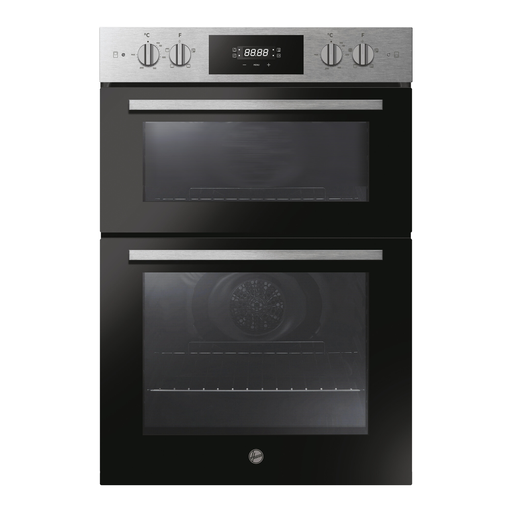 No image available
Consider the two-cavity layout if you need to prepare a batch alongside another dish.
Product information conflicts on whether this model is electric or dual-fuel. Resolve its fuel type and connection requirements before ordering, and check the usable trays and shelf positions for your batch.
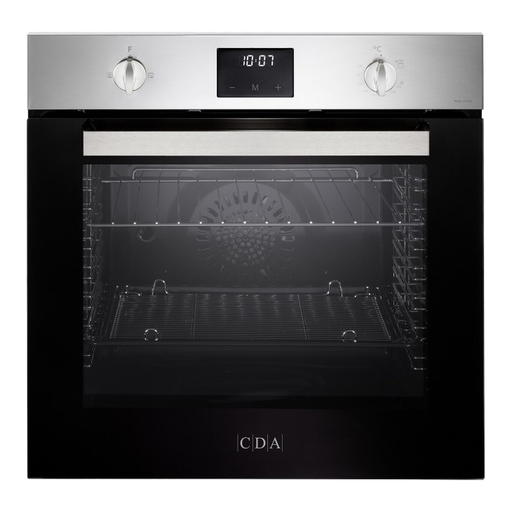 No image available
This single-cavity option may suit a fitted-kitchen replacement when you do not need a second oven.
Confirm the offered unit’s gas configuration and suitable professional installation. Check tray dimensions and usable shelf positions before deciding how much you can roast at once.
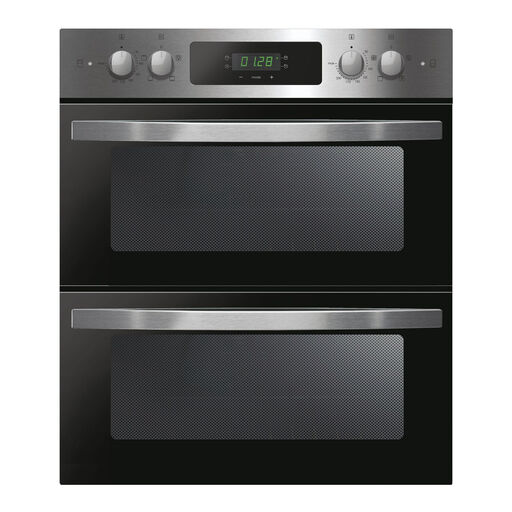 No image available
The built-under double-oven layout may suit a fitted kitchen where roasting and another cooking task need separate cavities.
Confirm the usable cavity capacities, tray dimensions and shelf positions for your intended batch. Check housing fit and installation requirements before ordering.
Start with usable trays, shelf positions and the levels the oven permits you to use together. Litres describe cavity volume, not how you can arrange your cut sweet potatoes; measure your intended tray and check the exact model’s instructions.
Do not assume an extension lead is suitable. Electrical Safety First warns that ovens used with other large appliances may overload one and create a fire risk; follow the appliance’s instructions and check the intended socket and circuit.
Check the connection specified for the exact oven before ordering. Electrical Safety First notes that some ovens use a standard plug while others require hardwiring to a dedicated circuit, so the existing kitchen setup and installation method both matter.
Plan to chill portions you are keeping rather than leaving them out while you finish other batches. A Food Standards Agency literature review reports the recommendation to refrigerate leftovers within two hours; also follow food-safety instructions for any other ingredients in the meal.