
24/7 全天候客户支持

免费退货

当日/次日达

品质保障

开启新人专享福利: 全场免邮 | 低至 2 折 | 免费试用 30 天 JoyPlus 会员
下载 Joybuy
Buying over-the-counter medicines UK shoppers can trust is not simply a matter of choosing the most familiar packaging. The right product depends on the symptoms, active ingredients, age suitability, existing health conditions and other medicines already being taken.
This guide from the Joybuy Product Recommendation Officer focuses on practical checks that can help adults, parents and carers avoid common purchasing mistakes.
Combination medicines can contain several active ingredients, including paracetamol, caffeine, a nasal decongestant or an expectorant. This may be useful when several symptoms occur together, but it can also lead to accidentally doubling up on an ingredient.
For example, Lemsip and Beechams products may contain paracetamol. Taking one of these alongside another paracetamol medicine can exceed the recommended dose and cause serious harm. Always compare the active ingredients on each pack before combining products.
A dry, tickly cough is different from a chesty cough with phlegm. A cough syrup containing glycerol and sucrose may soothe an irritated throat, while a product containing guaifenesin is intended for a productive cough where mucus needs to be loosened.
Do not assume that a stronger-sounding cough medicine is suitable for every cough. Persistent, worsening or unusual symptoms should be discussed with a pharmacist or doctor.
Children’s medicines have specific age, weight and dosage requirements. A product suitable for a 12-month-old may not be suitable for a younger baby, even if the symptoms appear similar.
Also check for lactose, sucrose, alcohol, colourants, aspartame and preservatives if the user has an intolerance, allergy or relevant medical condition. Formulations and packaging can change, so the current label and leaflet should always take priority over an online product description.
For allergy relief, antihistamines such as acrivastine or cetirizine may help with symptoms associated with hay fever, allergic rhinitis or hives. Some allergy products also contain a nasal decongestant, such as pseudoephedrine, for a blocked nose. Decongestants may not be suitable for people with high blood pressure, heart conditions, glaucoma or certain other conditions.
For cold and flu relief, products may combine paracetamol for pain and fever with phenylephrine for nasal congestion. Caffeine may also be included in daytime capsules. Check whether you need a single-ingredient paracetamol medicine or a combination product.
Follow the pack directions precisely, including the minimum interval between doses and the maximum amount in 24 hours. Products in this category commonly have different age restrictions:
Short-term use is typical for many OTC products. If symptoms continue beyond the period stated on the label, become worse or are accompanied by concerning symptoms, seek medical advice.
Do not rely only on terms such as “non-drowsy”. Individual reactions can vary, and some antihistamines may still cause sleepiness or dizziness. Avoid driving or operating machinery until you know how a product affects you.
People who are pregnant or breastfeeding, have liver or kidney problems, high blood pressure, diabetes, asthma or take regular medicines should ask a pharmacist or doctor before use. Store medicines in their original packaging, check the expiry date and keep them out of children’s reach.
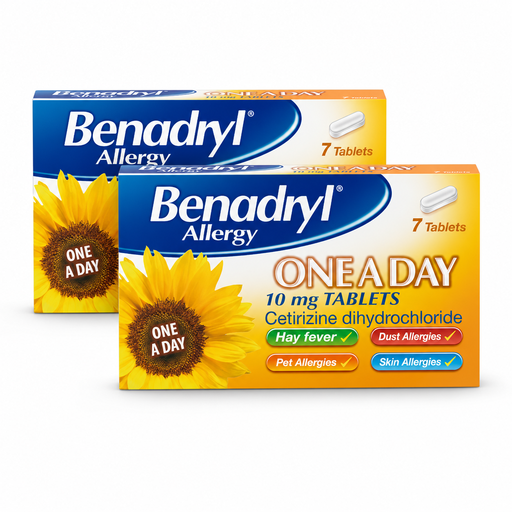
Why This Fits Their Persona: A once-daily cetirizine format may suit adults or adolescents aged 12 and over who want a straightforward option for hay fever or recurring allergy symptoms.
The single active ingredient, cetirizine dihydrochloride 10mg, makes it easier to identify what you are taking and avoid unnecessary combination ingredients.
Once-daily directions; indicated for allergic rhinitis and hives; lactose is listed among the ingredients.
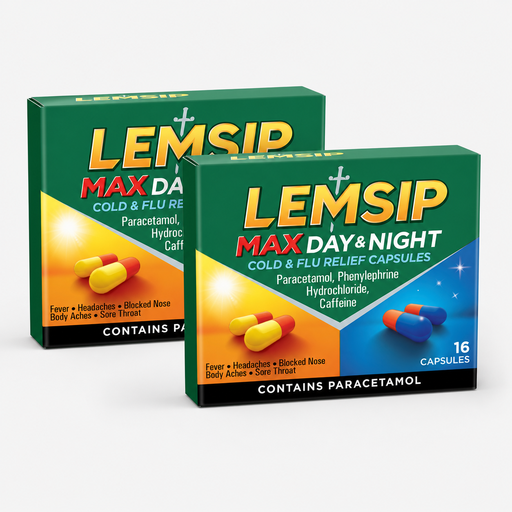
Why This Fits Their Persona: Suitable for adults and adolescents aged 16 and over who prefer separate daytime and bedtime cold and flu relief capsules.
The day and night capsules are clearly differentiated, helping shoppers check caffeine use and avoid taking an unsuitable dose at bedtime.
Contains paracetamol and phenylephrine; day capsules also contain caffeine; maximum dosage and warnings are stated on the pack.
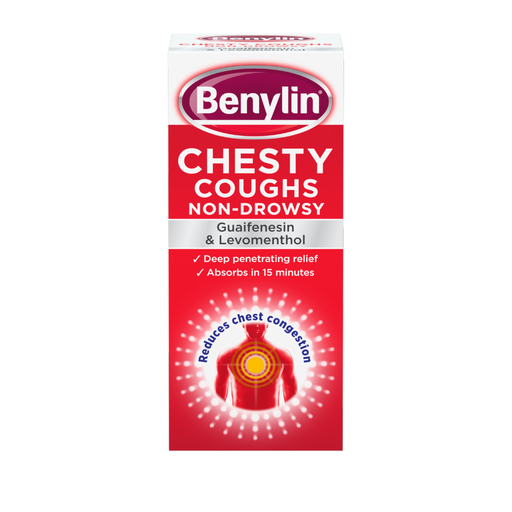
Why This Fits Their Persona: Designed for adults and children aged 12 and over with a chesty cough where loosening phlegm is the main requirement.
It is aimed at chesty rather than dry coughs, so the product type is matched to the presence of phlegm instead of relying on generic cough claims.
Contains guaifenesin and levomenthol; supplied as a measured liquid; maximum four doses in 24 hours.
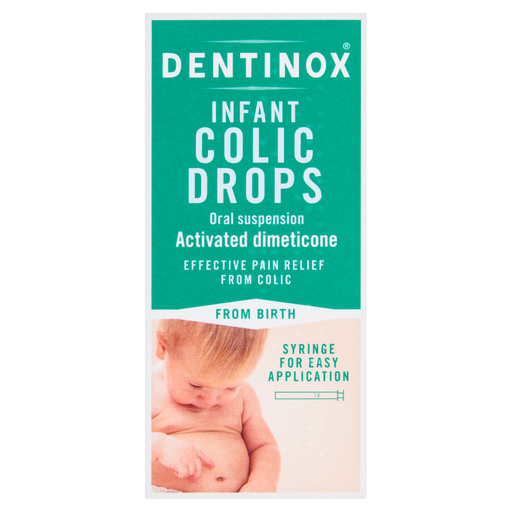
Why This Fits Their Persona: A practical option for carers seeking infant colic medicine that can be used from birth and given with or after feeds.
The product gives a stated 2.5ml dose and a six-dose daily maximum, reducing the guesswork often associated with liquid baby colic medicine.
Contains activated dimeticone; alcohol-free; supplied with a measuring syringe for direct administration or use with a bottle.
We have compiled a complete, real-time list of products that fully satisfy these strict selection criteria and UK safety regulations.
Check the active ingredients first. Many cold and flu products already contain paracetamol, so taking an additional paracetamol medicine may exceed the recommended dose. Ask a pharmacist if you are unsure.
Use the product only for the duration stated on the label. Some products advise medical advice after three, five or seven days. A persistent cough, worsening allergy symptoms or a high fever requires professional advice rather than continued self-treatment.
No. Infant colic drops, such as products containing simeticone or dimeticone, are intended for wind or griping discomfort. Teething products, including teething gel or powders, are designed for gum discomfort and have different age limits and ingredients. Check the indication and dosage every time before giving a medicine to a baby or child.