
24/7 全天候客户支持

免费退货

当日/次日达

品质保障

开启新人专享福利: 全场免邮 | 低至 2 折 | 免费试用 30 天 JoyPlus 会员
下载 Joybuy
Buying over the counter medicines in the UK can be convenient, particularly when you are managing a busy household, preparing for travel or dealing with seasonal symptoms. However, a lower price or familiar packaging does not automatically mean a product suits your age, symptoms or existing medicines.
The practical approach is to compare the active ingredient, dosage instructions and intended user before considering pack size or delivery convenience. This guide explains the main pitfalls and highlights suitable options for different UK households.
“Cold relief”, “pain relief” and “allergy support” are broad descriptions. Two products aimed at the same symptom may contain different ingredients, and combination medicines can include paracetamol, a decongestant or an antihistamine.
Taking more than one product with the same active ingredient can lead to an accidental overdose. Always check the ingredients panel before combining cold and flu relief with pain relief tablets.
Children’s medicines are not simply smaller versions of adult products. Age, weight and sometimes prematurity affect suitability. For example, infant paracetamol products have specific restrictions for babies under three months, while some allergy medicines and nasal sprays are intended only for people aged 12 and over.
Health conditions also matter. Ibuprofen may not be suitable for people with a history of stomach ulcers or certain heart, kidney or liver conditions. Decongestants may require extra caution for people with high blood pressure or thyroid problems.
A multi-pack may reduce the cost per unit, but medicines have expiry dates and should be stored correctly. Buying more than your household can reasonably use may create waste. For travel, a dedicated medicine case can also prevent loose tablets, damaged packaging and confusion between products.
For paracetamol medicine, compare the amount per tablet, capsule or measured liquid dose. Products containing paracetamol should not be taken alongside another paracetamol-containing medicine unless a healthcare professional has advised you to do so.
For ibuprofen pain relief, check the strength and maximum daily dose. Ibuprofen is an NSAID and is used for pain, inflammation and fever, but it is not suitable for everyone.
Combination products can be useful when several symptoms occur together, but they may also contain ingredients you do not need. A single-ingredient medicine is often easier to track when treating one symptom.
Liquid suspensions can be practical for infants and young children when measured with the supplied spoon or syringe. Capsules and tablets may suit adults and older children who can swallow them safely. Hot drink sachets can be convenient at home or while travelling, but they may contain sugar, aspartame or multiple active ingredients.
For allergy relief, compare once-daily tablets with shorter-interval capsules. Some antihistamines can cause drowsiness or dizziness, so read the leaflet before driving or operating machinery.
Look for:
The label and enclosed leaflet take priority over online descriptions. If symptoms persist, worsen or appear unusual, speak to a pharmacist, NHS 111 or a doctor as appropriate.
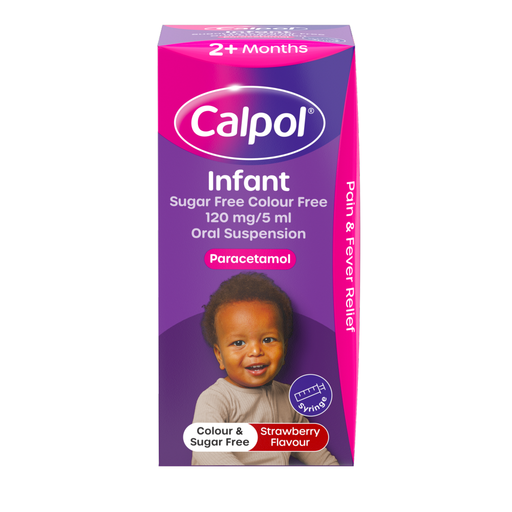
Why This Fits Their Persona: A practical family first-aid option for parents seeking a measured liquid format for infants and young children, subject to the stated age, weight and dosage requirements.
The product clearly states its paracetamol strength, age range and dose limits, helping avoid guesswork when treating childhood fever or pain.
Sugar- and colour-free formula; supplied as a 100ml strawberry-flavoured oral suspension with a measuring spoon.
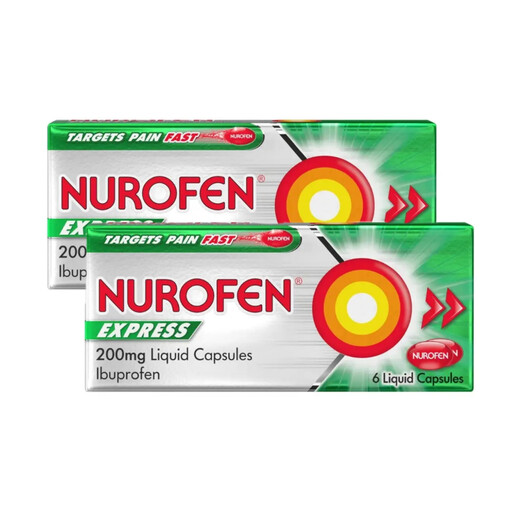
Why This Fits Their Persona: Suitable for adults and children aged 12 and over who prefer a liquid-filled capsule format for everyday headaches, dental pain, period pain or muscular aches.
The listing identifies ibuprofen as the active ingredient and provides clear maximum-dose and age guidance, rather than relying only on a speed-focused description.
200mg ibuprofen capsules; compact two-pack format for home storage or a travel medicine kit.
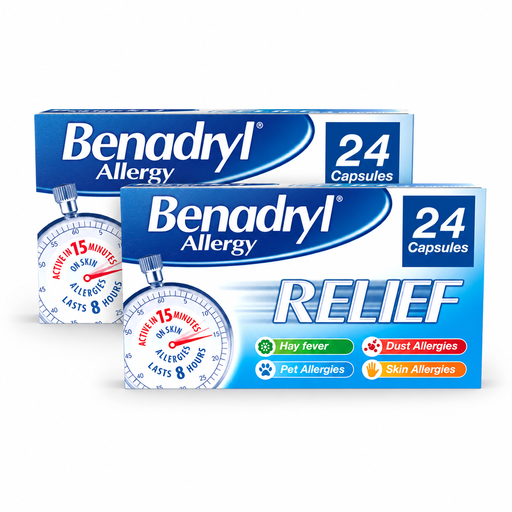
Why This Fits Their Persona: Designed for adults and children aged 12 to 65 who need an antihistamine for hay fever, runny nose, sneezing or hives and prefer flexible dosing.
The formula and dosing interval are stated clearly, while the warnings flag drowsiness, alcohol and conditions requiring professional advice.
Contains acrivastine 8mg per capsule; two 12-capsule packs provide a convenient supply for seasonal use.
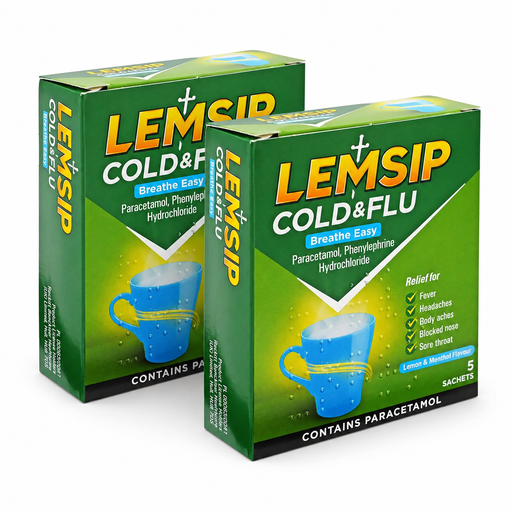
Why This Fits Their Persona: A portable option for adults, older people and adolescents aged 16 and over who want a hot drink format for several cold and flu symptoms.
Its paracetamol and phenylephrine contents are listed, making it easier to avoid duplicating ingredients with other cold or pain medicines.
Pre-measured lemon and menthol sachets; intended for short-term multi-symptom relief in people aged 16 and over.
We have compiled a complete, real-time list of products that fully satisfy these strict selection criteria and UK safety regulations.
Yes, many everyday medicines and healthcare products are available through online pharmacies and retail platforms. Check the product classification, seller information, age restrictions and full directions before ordering. For prescription-only treatment, use a registered pharmacy and follow the appropriate prescribing process.
Keep products in their original packaging, below the temperature stated on the label and away from children. A compartmental travel case can help organise supplies, but do not remove medicines from labelled packaging if doing so could cause confusion. Check expiry dates before packing family healthcare essentials.
Seek advice if symptoms are severe, unusual, worsening or lasting longer than the leaflet allows. Ask before use if you are pregnant, breastfeeding, managing a long-term condition or taking other medicines. For babies and young children, confirm age and dosage requirements carefully before administering any product.