
24/7 Customer Support

Free returns

Same-day & Next-day Delivery

Quality Guaranteed

Unlock Your Welcome Offers: FREE Delivery | Up to 80% OFF | Free 30-day JoyPlus trial
Download the APP
An overnight face mask can be a convenient final step when your skin feels dry, tight or dull after a long day. Unlike a traditional rinse-off mask, a sleeping mask stays on while you rest, usually providing a richer layer of hydration or a targeted overnight skincare treatment.
However, product descriptions can make different formulas sound remarkably similar. A lightweight gel, a rich overnight moisturiser and a peel-off night mask may all promise smoother-looking skin, yet they suit very different routines. The right choice depends on ingredients, texture, fragrance, removal method and how often you intend to use it.
Glycerin, hyaluronic acid, trehalose, squalane and plant oils can help skin feel more comfortable and moisturised. That does not mean every sleeping mask will address every concern. A face mask for dry skin may be designed primarily to reduce the feeling of tightness, while a formula containing exfoliating acids or niacinamide may focus more on texture or dullness.
Look at the full ingredient list rather than relying on phrases such as “glow”, “renewal” or “barrier repair”. These descriptions are not substitutes for knowing what the product is formulated to do.
A rich cream may feel comforting on dry or mature skin but uncomfortable on combination skin or bedding. A gel sleeping mask generally feels lighter, although some formulas can still feel tacky. A peel-off night mask requires enough drying time before you go to bed and may not suit facial hair or easily irritated skin.
Consider whether you prefer a product that is rinsed off in the morning, removed as a film or simply absorbed with minimal residue.
Skin can react to fragrance, essential oils, alcohol, exfoliating acids or botanical extracts. “Suitable for all skin types” is a broad product description, not a personal assurance. Review the ingredients, patch test where appropriate and avoid applying an overnight face mask to broken, inflamed or irritated skin.
For an overnight hydrating mask, humectants such as glycerin, hyaluronic acid and sodium hyaluronate attract water, while ingredients such as squalane, oils and butters can provide a more cushioning finish. Ceramide NP and panthenol are useful ingredients to look for when your routine is focused on maintaining a comfortable skin barrier.
For texture, lactobionic acid is a type of PHA that is generally used in gentler exfoliating formulas. Retinol alternatives, peptides, niacinamide and vitamin C derivatives are also common in an anti-ageing overnight mask, but they should not be treated as medical or guaranteed wrinkle treatments.
Check whether the product is a gel, cream, sleeping pack or film-forming peel-off formula. Also check the instructions: some products are intended for two or three nights per week, while others are designed for more frequent use. Applying more than recommended will not necessarily improve results and may increase the chance of discomfort.
Unscented products may be preferable if you are sensitive to fragrance. Essential oils, parfum, denatured alcohol and exfoliating ingredients are not automatically unsuitable, but they are worth noting before purchase. Always follow the manufacturer’s warning to avoid the eyes and discontinue use if redness, itching, swelling or burning occurs.
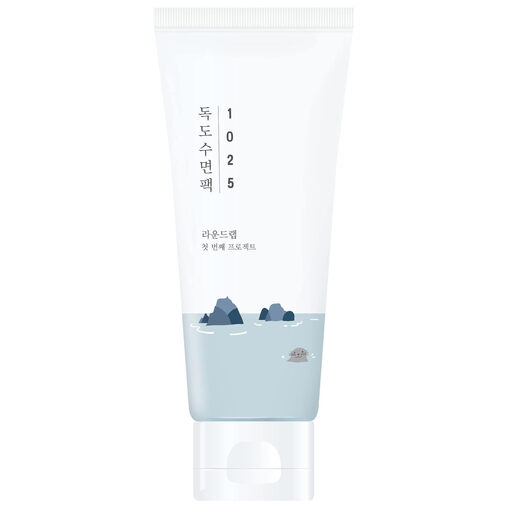
Why This Fits Their Persona: Its essence, moisturiser and sleeping pack format can simplify a first overnight skincare routine without requiring several separate products.
The unscented gel formula avoids artificial fragrance, ethanol and mineral oil, while the product instructions clearly state that it should be rinsed in the morning.
Contains glycerin, panthenol, sea water and PHA; the lightweight gel texture is described as suitable for sensitive skin.
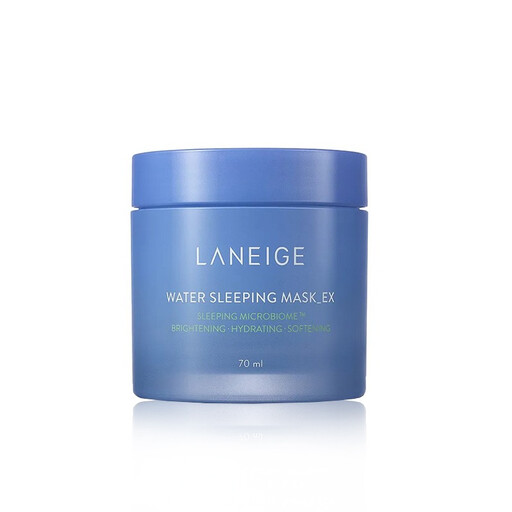
Why This Fits Their Persona: A recognisable Korean sleeping mask format with a cooling gel-cream texture suits shoppers who want a polished, easy-to-layer night routine.
The usage guidance specifies leaving it overnight and rinsing residual product the next morning, with two to three applications weekly suggested.
Features glycerin, trehalose, squalane, niacinamide, several forms of hyaluronic acid and ceramide NP.
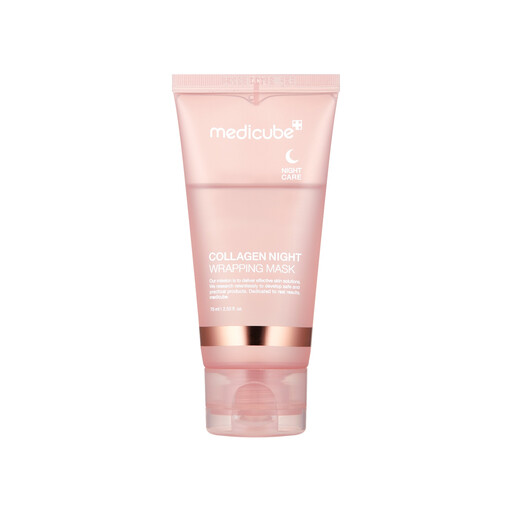
Why This Fits Their Persona: The film-forming format is suited to regular users who specifically want an overnight peel-off night mask rather than a conventional cream.
It clearly requires around 15 minutes to dry before bed and explains that the film should be peeled away from the edges in the morning.
The formula includes niacinamide, sodium hyaluronate, ceramide NP and collagen extract.
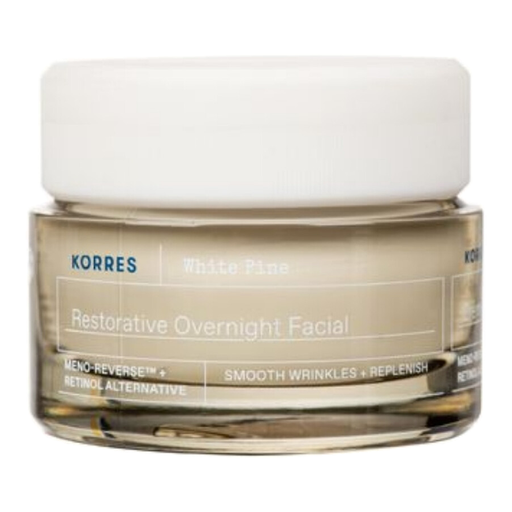
Why This Fits Their Persona: Its richer facial-cream format is designed for mature, post-menopausal skin that prefers restorative overnight care.
The product is positioned for a specific skin profile, rather than presenting a one-formula-fits-everyone promise.
Contains squalane, sodium hyaluronate, white pine bark extract and a retinol alternative; apply to the face and neck.
We have compiled a complete, real-time list of products that fully satisfy these strict selection criteria and UK safety regulations.
It depends on the formula. A simple hydrating sleeping mask may be suitable for frequent use if the packaging says so, while products containing exfoliating acids or richer active formulas may be intended for less frequent application. Follow the instructions and reduce use if your skin feels uncomfortable.
They overlap, but not always. An overnight moisturiser is usually a cream designed for regular use, whereas a sleeping mask may have a thicker layer, gel texture or film-forming finish. Some products, such as sleeping packs, are designed to combine moisturising with a more intensive treatment step.
Shelf life varies by product and storage conditions. Check the packaging for the period-after-opening symbol, batch information and expiry guidance. Keep the container closed, store it away from direct sunlight and heat, and do not use it if the colour, smell or texture has changed.