
24/7 Customer Support

Free returns

Same-day & Next-day Delivery

Quality Guaranteed

Unlock Your Welcome Offers: FREE Delivery | Up to 80% OFF | Free 30-day JoyPlus trial
Download the APP
An overnight face mask can make an evening skincare routine feel simpler: apply a leave-on formula, sleep, then rinse or remove any residue in the morning. However, not every sleeping mask suits every complexion or routine. A rich cream may feel uncomfortable on combination skin, while a fragranced gel may not suit sensitive users.
Before buying an overnight face mask, look beyond phrases such as “intensive”, “glowing” or “age-defying”. The product’s ingredients, texture, instructions and intended use provide more useful information than promotional wording.
Some products are designed to remain on the skin overnight, while others are 10-minute or rinse-off treatments. The product name can make this distinction unclear. Always check whether the instructions say to leave the formula on while sleeping and whether it should be rinsed in the morning.
For example, a traditional soothing face mask may be suitable for a short treatment but not for overnight use. Applying it for longer than instructed can increase the chance of discomfort, particularly if it contains exfoliating acids, essential oils or fragrance.
A hydrating overnight mask may contain humectants such as glycerin, hyaluronic acid, trehalose or hydroxyethyl urea, which help attract and hold water. However, a comfortable result also depends on emollients and occlusive ingredients, such as squalane, plant oils, butters or silicones.
If your skin feels tight, look for a balance of water-binding and moisturising ingredients. If it feels easily congested, a lightweight gel texture may be more practical than a dense balm.
A sleeping mask can remain in contact with the skin for several hours. Fragrance, lavender oil, citrus oils and botanical extracts may be unsuitable for people with known sensitivities. Likewise, lactic acid, PHA or salicylic acid may be useful for texture-focused routines but should be introduced gradually.
Read the full ingredient list rather than relying only on claims such as “gentle”, “natural” or “Korean sleeping mask”. Natural origin does not automatically mean that a formula suits sensitive skin.
A genuine sleeping mask should state whether it is used as the final step of the evening routine, how often to apply it and whether it must be washed off in the morning. Some products are suitable every night, while others are intended for two or three applications per week.
Use a moderate layer rather than applying more product than recommended. A thick coating is not necessarily more effective and may feel sticky, transfer onto pillowcases or cause pilling over serum and night cream.
For UK shoppers, check the packaging for the full ingredients, usage directions, batch information and warnings. Avoid applying any overnight skincare treatment to broken, inflamed or irritated skin. Keep products away from the eyes and discontinue use if redness, itching, burning or a rash develops.
The package is the current reference for storage instructions and ingredient changes, so review it before use even if an online listing contains additional information.
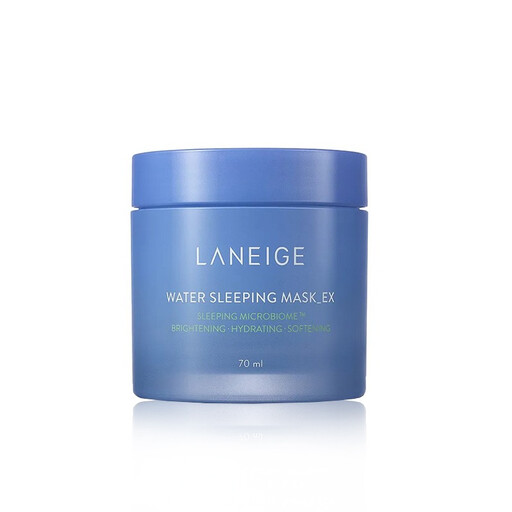
Why This Fits Their Persona: A straightforward gel-cream option for someone adding a sleeping mask to a simple evening routine, especially when central heating or cold weather leaves skin feeling dehydrated.
Its stated use is as a leave-on overnight gel mask, with morning rinsing instructions, helping distinguish it from a short-contact treatment.
Triple hyaluronic acid, glycerin, squalane and ceramide NP are listed; the lightweight gel texture is designed for rapid absorption.
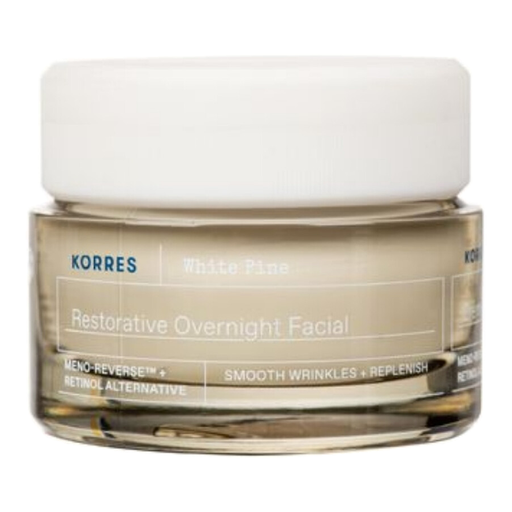
Why This Fits Their Persona: Designed for mature, post-menopausal skin that needs a more restorative overnight facial cream after serum application.
The listing identifies its intended audience and gives specific face-and-neck application guidance, rather than presenting it as a universal formula.
White pine bark extract, glycerin, squalane and sodium hyaluronate are listed, alongside a retinol alternative and 93.1% natural-origin content.
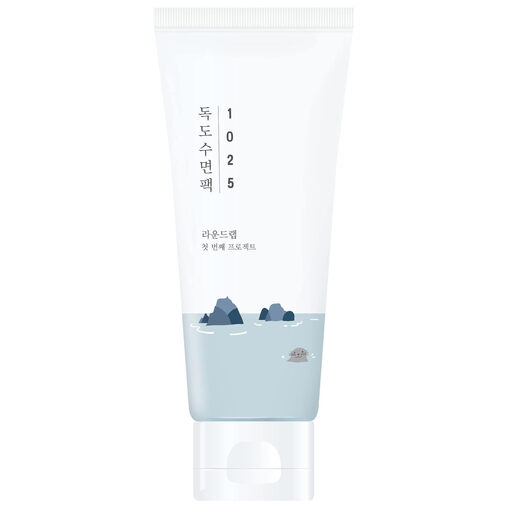
Why This Fits Their Persona: Suitable for users seeking a Korean sleeping pack that combines overnight moisture with a gentle texture-focused step.
The instructions specify overnight use and morning rinsing, while the unscented formula avoids added artificial fragrance.
Contains glycerin, panthenol, sea water and lactobionic acid, a PHA, in a 100ml lightweight gel formula.
Why This Fits Their Persona: The gel format may appeal to users who dislike heavy creams and want a simple overnight skincare treatment.
Its listed formula excludes parabens, sulphates and phthalates, but it still contains fragrance, so sensitive users should check the label and patch test.
The formula includes sodium hyaluronate, beta-glucan, squalane and ceramide NP; the stated usage is two to three times weekly.
We have compiled a complete, real-time list of products that fully satisfy these strict selection criteria and UK safety regulations.
It depends on the formula. A basic hydrating overnight mask may be suitable for frequent use if the packaging permits it. Products containing PHA, lactic acid or other active ingredients may be intended for less frequent application. Follow the product directions rather than assuming nightly use is appropriate.
There is no universal lifespan. Check the open-jar symbol, expiry information and packaging instructions. Store the product as directed, close the lid securely and avoid introducing water or unclean fingers into the container. Changes in smell, colour or texture are reasons to stop using it.
Some formulas may suit a face mask for sensitive skin, but suitability cannot be guaranteed from the product name alone. Review the ingredient list for fragrance, essential oils and exfoliating acids, then patch test on a small area before applying it across the face.