
24/7 Customer Support

Free returns

Same-day & Next-day Delivery

Quality Guaranteed

Unlock Your Welcome Offers: FREE Delivery | Up to 80% OFF | Free 30-day JoyPlus trial
Download the APP
Buying everyday healthcare products should be straightforward, but crowded shelves and online listings can make simple decisions surprisingly difficult. Whether you need pain relief tablets, infant colic relief drops, hay fever tablets or a treatment for heartburn, the lowest price or strongest-sounding claim is not always the most suitable option.
The practical approach is to match the product’s active ingredient, format and safety information to the person using it.
A product may say “allergy relief”, “muscle support” or “stomach comfort” on the front, but different products can contain very different active ingredients. For example, allergy relief capsules may contain acrivastine, loratadine or a combination of acrivastine and pseudoephedrine. These options have different age restrictions, dosing schedules and warnings.
Always check the active ingredient and strength, rather than relying on front-of-pack marketing.
Parents looking for gripe water for babies or teething pain relief may assume that a herbal or traditional formulation is automatically risk-free. Age limits, allergens and dosage instructions still matter. Some infant products contain sweeteners, preservatives, lactose or plant extracts that may not suit every child.
Never use an infant medicine outside the age range or dosage stated on its packaging. If a baby’s symptoms persist, worsen or appear unusual, ask a pharmacist, health visitor or GP for advice.
It is easy to take a cold remedy and separate paracetamol capsules at the same time without realising both contain paracetamol. This can lead to exceeding the stated daily amount. Similar caution applies to combining ibuprofen tablets, aspirin or topical anti-inflammatory products.
Read the ingredients on every medicine you use and follow the instructions on the pack.
The active ingredient determines what a medicine is designed to do. Common examples include:
Check whether the formula contains ingredients relevant to your household, including lactose, sucrose, glucose, gelatine, sodium or fragrances.
The correct dose depends on age, and sometimes weight or medical history. A product suitable for adults may not be suitable for children. Look for:
For example, some allergy capsules are limited to adults and children aged 12 to 65, while infant colic products may be suitable from birth or from one month, depending on the formulation.
The format should fit the intended use. A liquid with an integrated dropper can make infant dosing easier, while chewable tablets may be more convenient for occasional heartburn. A non-medicinal heat pad may suit someone who prefers external heat rather than oral medicine.
Also check storage requirements, opening instructions and expiry information. Some liquid products have a limited use period after opening. Keep all medicines out of the sight and reach of children.
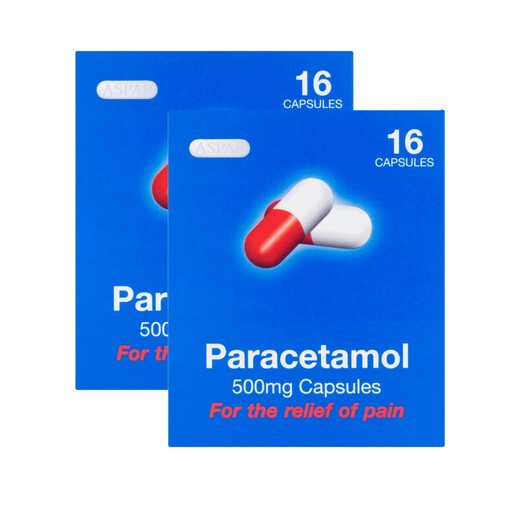
Why This Fits Their Persona: A practical format for adults, older people and children aged 12 years and over who want a familiar option for occasional mild to moderate pain or fever.
The pack clearly identifies paracetamol as the active ingredient and provides separate age-based dosing information, helping shoppers avoid unclear symptom-led buying.
500mg capsules; soft gelatine shell; two-pack format. Do not combine with other paracetamol-containing products.
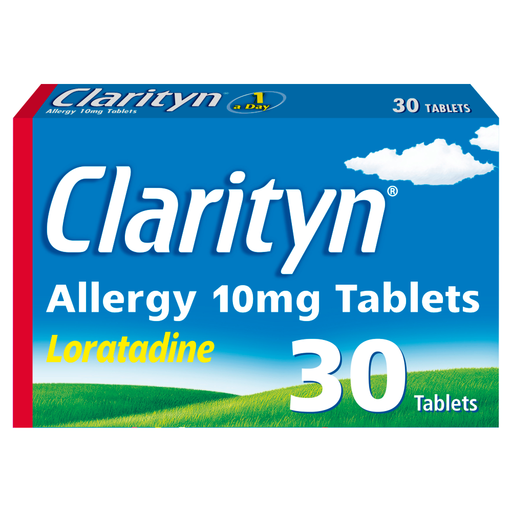
Why This Fits Their Persona: Suitable for adults and some children over two years who prefer a once-daily loratadine tablet for seasonal or perennial allergy symptoms.
The 10mg loratadine ingredient and pack quantity are stated clearly, so shoppers can compare it with other antihistamine tablets by formulation rather than advertising language.
30-tablet pack; loratadine 10mg; intended for allergy and hay fever symptoms. Contains lactose.
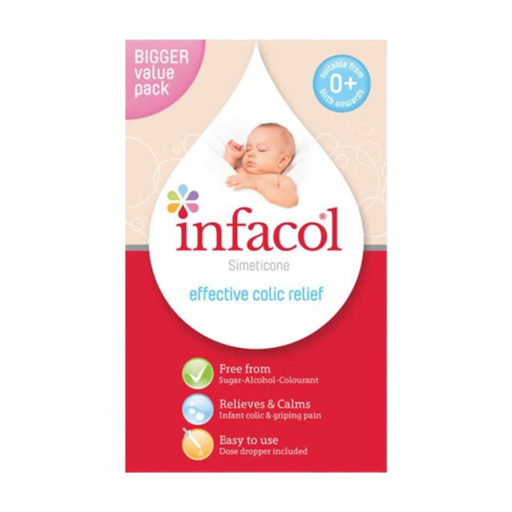
Why This Fits Their Persona: Designed for carers seeking a measured liquid format for infant wind and colic-related discomfort from birth onwards.
Its integrated dropper provides a defined 0.5ml dose, while the directions explain administration before feeds and the need to read warnings.
Contains simeticone 40mg per 1ml; sugar-free, alcohol-free and colourant-free. Use only with constant adult supervision.
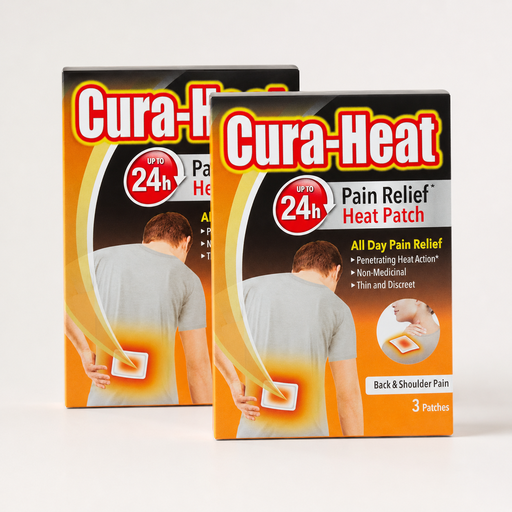
Why This Fits Their Persona: A non-medicinal option for adults managing back or shoulder discomfort who want heat therapy at work, while travelling or during daily activities.
The application instruction specifically says to place the pad on clothing or underwear, not directly on the skin, reducing the risk of incorrect use.
Non-medicinal and fragrance-free; three pads per pack with up to 12 hours of active heat therapy according to the product information.
Your symptoms may call for a different format:
We have compiled a complete, real-time list of products that fully satisfy these strict selection criteria and UK safety regulations.
Yes, but check that the seller provides complete product information, including ingredients, dosage, age suitability, warnings and expiry details. Read the packaging supplied with the product before use and seek advice from a pharmacist if you are unsure.
That depends on the type of pain, your age and your health conditions. Paracetamol, ibuprofen and aspirin are different medicines with different precautions. Do not choose solely by strength or price, and do not combine products containing the same active ingredient.
Use the smallest amount needed for the shortest period stated on the label. If symptoms persist, worsen, return frequently or are accompanied by concerning symptoms, stop self-treatment and speak to a pharmacist, GP or another suitable healthcare professional.