
24/7 Customer Support

Free returns

Same-day & Next-day Delivery

Quality Guaranteed

Unlock Your Welcome Offers: FREE Delivery | Up to 80% OFF | Free 30-day JoyPlus trial
Download the APP
Oyster sauce is a convenient way to add savoury depth, sweetness and glossy texture to home-cooked meals. However, choosing the right bottle can be less straightforward than it appears. UK shoppers may be comparing Chinese oyster sauce, Thai oyster sauce, Filipino varieties and vegetarian alternatives, often with very different ingredient percentages and serving sizes.
Before adding a bottle to your basket, watch for three common buying traps:
For a traditional sauce, check the ingredient list for oyster extract, oyster juice or oyster sauce, rather than relying solely on front-label wording. The products available vary considerably. Healthy Boy Thick Oyster Sauce 700ml lists oyster at 20%, while Maekrua Oyster Sauce 300ml lists oyster extract at 25%. Amoy Premium Oyster Sauce 150ml states 7% oyster extractive, and Lee Kum Kee Panda Brand Oyster Sauce 255g lists 3% oyster extractives.
A higher stated oyster percentage does not automatically mean the sauce will suit every dish. A sweeter, thicker Chinese oyster sauce may work well for glazing or stir-fry finishing, while a Thai oyster sauce can be useful in pad kra pao, fried rice and marinades.
In the UK, check the ingredients and allergen information for molluscs, soybeans, wheat and, where relevant, celery. Conventional Asian oyster sauce is not suitable for vegans and is generally unsuitable for vegetarians because it contains oyster or oyster extract.
For a plant-based option, look for wording such as vegan oyster flavour sauce or vegetarian oyster-flavoured sauce, then verify the full label. Lee Kum Kee Vegetarian Oyster-Flavoured Sauce 260g lists soy and mushroom-related ingredients and identifies soybeans as an allergen. Lee Kum Kee LKK Vegan Oyster Flavour Sauce 520g contains soy protein and soy sauce, as well as wheat, but its listed ingredients contain no animal-derived oyster ingredients.
If you have a food allergy or follow a strict dietary regime, always check the latest packaging before consumption, as formulations and labelling can change.
A small oyster sauce bottle is practical for students, occasional cooks and households with limited fridge space. Larger bottles offer more sauce for regular stir-fries, but they need careful storage.
Many products specify storage in a cool, dry place before opening and refrigeration after opening. Thick sauces also differ in how easily they pour. A squeeze bottle can make portion control easier for noodles, marinades and quick vegetable stir-fries, while a traditional cap bottle may be more suitable for measuring with a spoon.
Remember that oyster sauce is a concentrated umami seasoning. Start with one or two teaspoons, taste the dish, then add more if required. It is also relatively salty and often contains sugar, so reduce additional soy sauce or salt until the final seasoning stage.
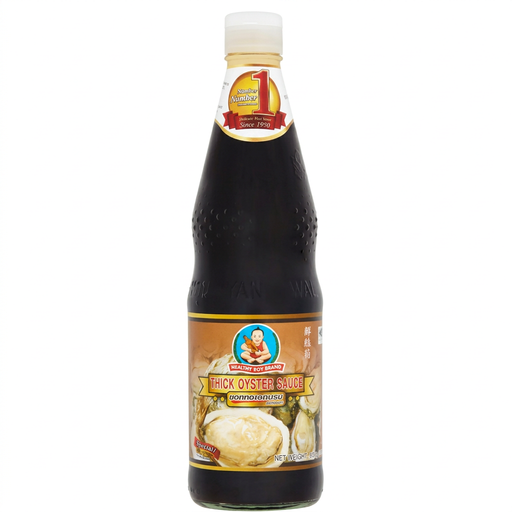
Why This Fits Their Persona: A substantial bottle for students sharing a kitchen or home cooks preparing regular stir-fries, noodle dishes and marinades.
The ingredient list clearly identifies oyster at 20%, while the label also states that it contains molluscs, avoiding uncertainty about its composition.
700ml format; thick consistency; suitable for cooking, seasoning and dipping.
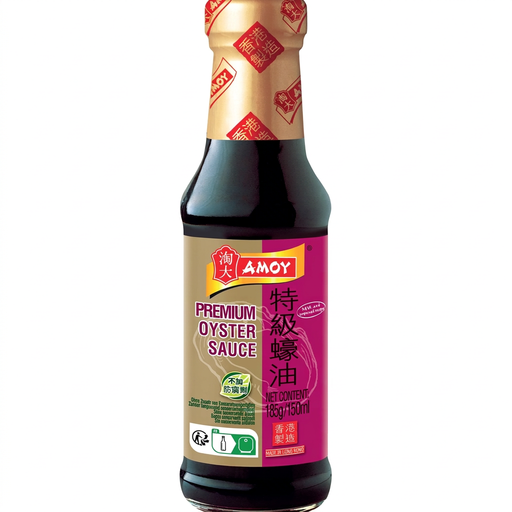
Why This Fits Their Persona: A compact choice for cooks who want to compare flavour profiles without committing to a bulk oyster sauce bottle.
Its 150ml size limits waste for occasional users, and the product information states 7% oyster extractive and refrigeration after opening.
Small format; suitable for stir-fries, marinades, dipping sauces and noodle dishes.
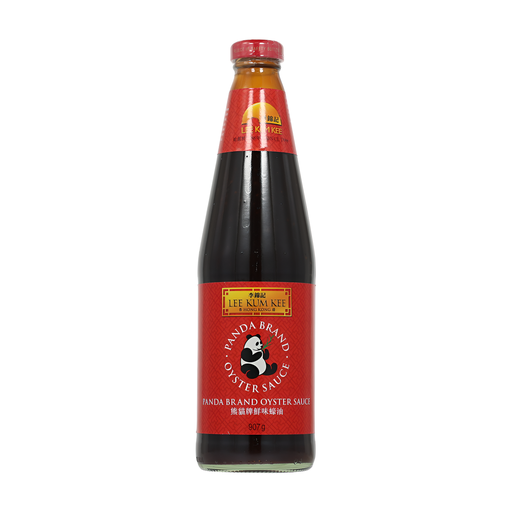
Why This Fits Their Persona: Suitable for frequent household cooking, meal preparation and professional-style batches where a large quantity is used regularly.
The 907g size is clearly stated, helping heavy users compare quantity rather than being distracted by bottle appearance or vague “family size” wording.
Large 907g quantity; intended for stir-fries, marinades and dipping sauces; contains oyster extract.
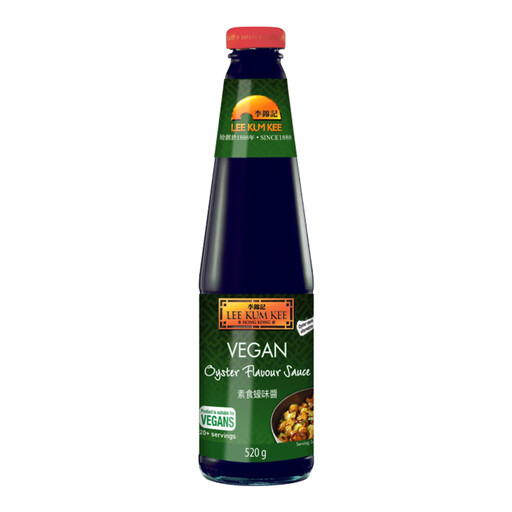
Why This Fits Their Persona: A practical alternative for vegan or vegetarian households preparing tofu, vegetables, noodles and braised dishes.
It is labelled as a vegan oyster flavour sauce and lists soy-based ingredients rather than oyster extract. It still contains soy and wheat, so check suitability for your diet.
520g bottle; no animal oyster ingredients listed; works in stir-fries, sauces, noodles and marinades.
We have compiled a complete, real-time list of products that fully satisfy these strict selection criteria and UK safety regulations.
Most bottles recommend refrigerating oyster sauce after opening. Store it according to the product label, keep the cap clean and avoid leaving it near a hob or in direct sunlight.
Shelf life varies by product and storage conditions. Check the packaging for the manufacturer’s guidance and use changes in smell, colour, texture or mould as reasons to discard it. A smaller bottle may be more practical if you cook with oyster sauce only occasionally.
Traditional oyster sauce contains oyster or oyster extract and is not vegan. Vegetarian and vegan oyster-flavoured sauces use ingredients such as mushrooms, soy protein or yeast extract instead, but may still contain soy or wheat. Always read the full ingredient and allergen information before buying.