
24/7 Customer Support

Free returns

Same-day & Next-day Delivery

Quality Guaranteed

Unlock Your Welcome Offers: FREE Delivery | Up to 80% OFF | Free 30-day JoyPlus trial
Download the APP
Oyster sauce can turn a simple stir-fry, noodle dish or marinade into a savoury, glossy meal. However, bottles that look similar on the shelf can differ considerably in oyster extract content, salt levels, allergens, texture and country of origin.
For UK shoppers, the main challenge is separating useful product information from vague phrases such as “rich flavour” or “premium quality”. A careful check of the label helps prevent buying a sauce that is too sweet, too thin, unsuitable for your dietary needs or impractical for the way you cook.
A dark brown colour may come from caramel colouring rather than a higher oyster content. Colour can be useful for glazing and presentation, but it does not independently confirm flavour intensity. Look for an ingredient percentage or quantitative oyster extract declaration instead.
For example, Healthy Boy Oyster Sauce 850g lists 20% oyster extract, while Haday Signature Tasty Oyster Sauce 720g lists 5% oyster extract. These are objective label differences, although the final taste also depends on salt, sugar, starches and other seasonings.
Oyster sauce is a concentrated umami seasoning sauce, so a small amount can contribute considerable salt and sweetness. Mama Sita’s Oyster Sauce lists 4.69g of salt per 100g and 17g of sugar per 100g. Healthy Boy Oyster Sauce lists 10.4g of salt and 22g of sugar per 100g.
This does not make either product unsuitable, but it does affect how you use it. If a recipe already contains soy sauce, stock powder or salted meat, start with a small spoonful and adjust gradually.
Some products may be labelled suitable for vegetarians while still containing oyster-derived ingredients. Healthy Boy’s product information states that it is suitable for vegetarians and gluten free, but it also clearly lists oyster molluscs. This is a point where the wording on the current package should take priority over assumptions.
Those avoiding shellfish, soy, wheat or gluten should always read the bold allergen declaration and full ingredient list before purchase. Recipes containing oyster sauce should not be served to someone with a mollusc allergy unless the sauce has been specifically confirmed as suitable.
Oyster sauce can be made in several regional styles. Chinese oyster sauce is often used for Cantonese-style stir-fries, braises and noodle dishes. Thai oyster sauce is commonly used in pad kra pao, fried rice and vegetable dishes. Filipino oyster sauce, such as Mama Sita’s, can suit marinades, dumplings, dipping sauces and Filipino home cooking.
Check:
A thick oyster sauce generally clings well to noodles, vegetables and meat, making it practical for stir-frying and glazing. A more fluid sauce may be easier to mix into soups, marinades or dipping sauces.
A 300ml bottle such as Maekrua Oyster Sauce may be practical for occasional cooks or anyone comparing a new Thai-style condiment. Larger formats, including the 700ml Healthy Boy thick sauce and 850g bottle, make more sense for frequent stir-fry cooking, family meals or professional kitchens.
Check the unit price rather than judging only by the shelf price. A large bottle is not economical if it remains open for months and its flavour or texture changes before use.
Most oyster sauces should be stored in a cool, dry place before opening and refrigerated after opening. Keep the cap clean and tightly closed, and follow the best-before and storage instructions printed on the package.
Refrigeration does not replace checking the sauce before use. Discard it if it develops an unusual odour, mould or unexpected spoilage. Always check the physical UK label for the latest ingredients, allergen information and responsible-person details.
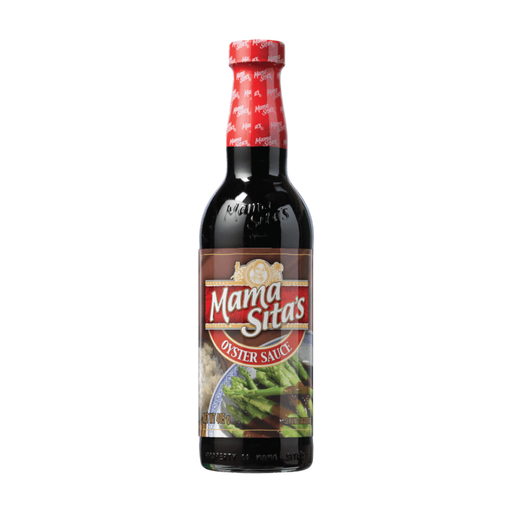
Why This Fits Their Persona: A manageable 405g bottle for home cooks trying Filipino oyster sauce in stir-fries, marinades, dumplings or vegetable dishes.
The label specifies 12% oyster extract and identifies molluscs, soy and wheat, helping shoppers assess composition rather than rely on colour alone.
405g size; suitable for stir-fries, marinades and dipping sauces; product of the Philippines.
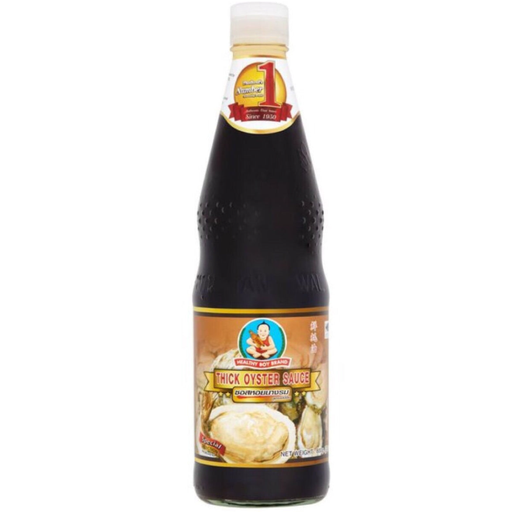
Why This Fits Their Persona: A large Thai-style bottle for cooks who regularly prepare stir-fries, soups, marinades and dipping sauces.
Its label states 20% oyster extract, while the nutrition panel gives clear salt and sugar figures for portion planning.
850g format; gluten free according to the supplied product information; labelled halal and suitable for vegetarians.

Why This Fits Their Persona: A compact Thai oyster sauce option for smaller households, recipe-led cooking or anyone trialling a new flavour profile.
The ingredient list states 25% oyster extract, making the product easier to compare with sauces that provide no percentage.
300ml bottle; suitable for stir-fries, braised dishes, marinades and glazes; Thai product information supplied.
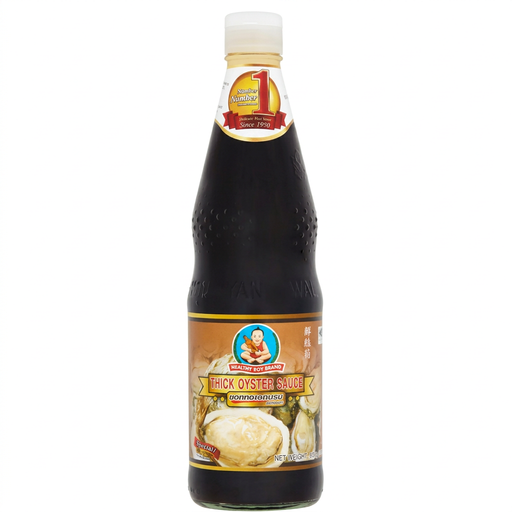
Why This Fits Their Persona: Designed for frequent cooking where a thick sauce is useful for coating vegetables, noodles, meat and stir-fry ingredients.
The product is explicitly identified as thick, and its ingredient declaration specifies 20% oyster extract and modified tapioca starch.
700ml format; thick consistency; made in Thailand according to the supplied information.
We have compiled a complete, real-time list of products that fully satisfy these strict selection criteria and UK safety regulations.
Usually, yes. Follow the package instructions, close the cap securely and refrigerate after opening. Storage guidance can vary between products, so check the current label.
There is no single period that applies to every bottle. Use the manufacturer’s guidance and best-before information, and assess the sauce for unusual odour, mould or changes beyond those described on the label.
Not necessarily. Some products contain wheat or soy, while others may be labelled gluten free. Check the allergen declaration each time, particularly when buying Chinese oyster sauce, Thai oyster sauce or a new brand.