
24/7 Customer Support

Free returns

Same-day & Next-day Delivery

Quality Guaranteed

Unlock Your Welcome Offers: FREE Delivery | Up to 80% OFF | Free 30-day JoyPlus trial
Download the APP
Whether you are sending online orders, preparing for a house move, organising warehouse stock or putting together party favours, the right packaging supplies can prevent avoidable damage and unnecessary costs. However, product descriptions often focus on attractive features while leaving out practical details such as internal dimensions, material thickness and storage requirements.
This guide highlights common buying traps, explains the specifications that matter and matches suitable products to different UK shopping needs.
A box described as 9 x 6 x 6 inches may not provide that much usable space internally. Board thickness, flaps and manufacturing tolerances can reduce the room available for your product. Always compare internal dimensions with the measurements of the item, including protective padding.
For postal packaging, leave enough space for bubble wrap or paper cushioning without forcing the box closed. An overfilled carton can split, while an oversized one may allow contents to move during delivery.
A single-wall cardboard box can be practical for lightweight goods, documents or household organisation, but it is not automatically suitable for heavy or fragile items. Similarly, mailing bags are useful for soft goods and non-breakable products, but they do not replace a rigid box when contents need crush protection.
Match the material to the risk:
Terms such as recyclable, recycled or biodegradable describe different things. A product may contain recycled material but still need a particular recycling route. Plastic packaging can also be rejected if it is dirty, mixed with other materials or not accepted by the local council.
Check the stated material and recycling code, then follow your local authority’s collection guidance. For example, LDPE plastic is commonly identified by Code 4, while paper and cardboard products may be suitable for kerbside recycling when clean and dry.
Measure the product you are sending at its widest, longest and highest points. Then compare those measurements with the internal dimensions of the packaging. For envelopes, check whether the listed size refers to the paper format or the actual envelope dimensions.
A C4 envelope, for example, is designed for A4 sheets without folding. The Triplast A4 envelopes listed below measure 324mm x 229mm, with a board back to help keep flat contents from creasing.
For online selling, keeping a small selection of standard sizes can simplify packing. Avoid routinely using a much larger carton than necessary, as this increases void fill, storage space and potentially courier volume charges.
Thickness is only one part of performance, but it provides a useful comparison:
For documents, a 1000-micron board back is a more meaningful detail than a vague claim of “hard-backed” protection.
Buying a larger pack can reduce the per-unit cost, but only if you have enough stock movement and dry storage space. Flat-packed boxes are particularly useful for small businesses, offices and moving households because they occupy less room before assembly.
Check the quantity carefully: packaging supplies may be sold as a single roll, a five-pack, a 25-pack or a 100-pack. A low-volume seller may prefer five boxes, while a busy fulfilment operation may benefit from 25 or 100 units.
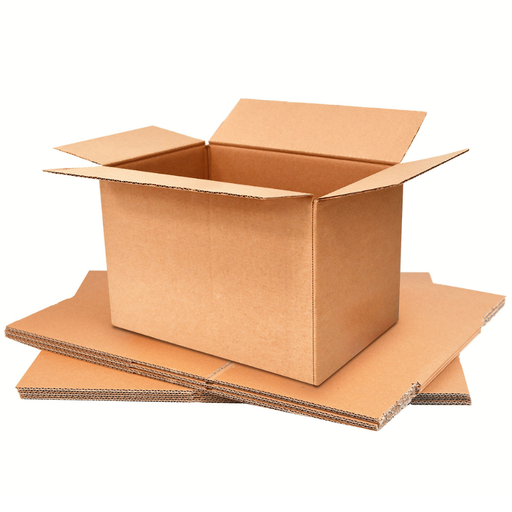
Why This Fits Their Persona: A five-box pack suits occasional sellers, students, home movers and anyone who does not need to commit to bulk stock.
The stated internal size, B-flute construction and flat-packed format make capacity, structure and storage easier to assess before purchase.
Five boxes per pack; B-flute corrugated board; made with up to 90% recycled content and kerbside recyclable.
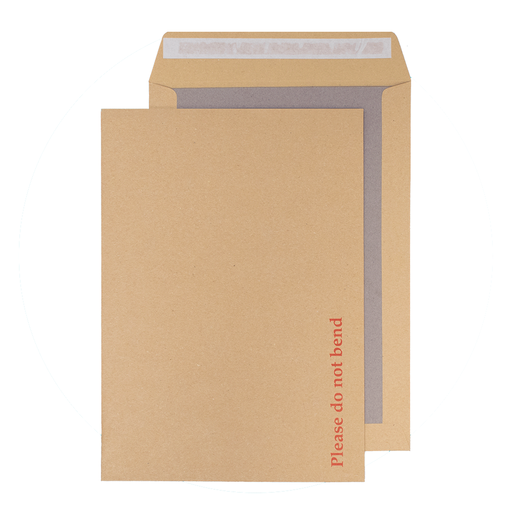
Why This Fits Their Persona: Suitable for offices, photographers, artists and sellers sending certificates, contracts, prints or other flat materials.
The rigid board back and printed “Please Do Not Bend” instruction address the risk of creased documents more directly than a standard paper envelope.
120gsm kraft front; 1000-micron board back; peel-and-seal closure; 100% recycled material.
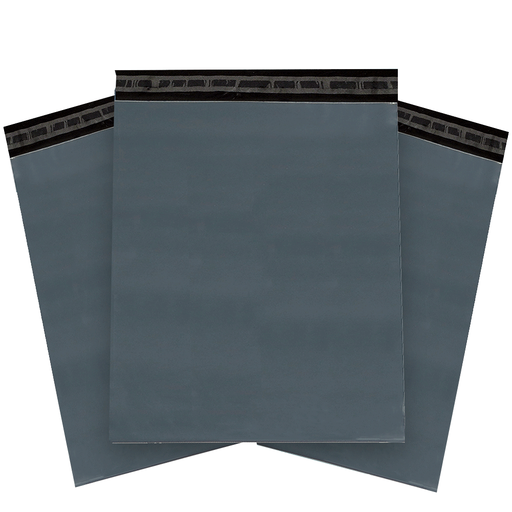
Why This Fits Their Persona: A 100-pack is suited to regular e-commerce fulfilment, clothing sellers, offices and retailers sending flexible products.
The 55-micron, three-layer construction and opaque black inner layer provide stated specifications beyond a generic “tough bag” description.
100 bags per pack; opaque recycled LDPE; peel-and-seal closure; recyclable as Code 4 LDPE where locally accepted.
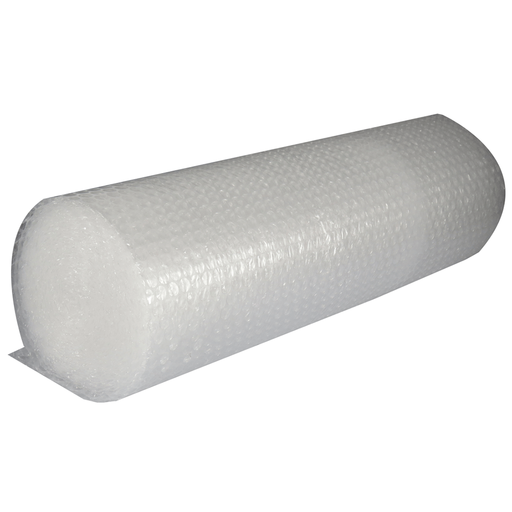
Why This Fits Their Persona: Useful for household moves, craft work, stockrooms and sellers protecting small fragile or irregularly shaped items.
The 10mm bubble size and 300mm x 10m roll dimensions make the intended cushioning use and available quantity clear.
Flexible LDPE material; small 10mm bubbles; easy to cut; made with high recycled content and recyclable as Code 4 LDPE.
We have compiled a complete, real-time list of products that fully satisfy these strict selection criteria and UK safety regulations.
Most small online sellers need a combination of cardboard boxes or mailing bags, cushioning such as bubble wrap, parcel tape and address labels. Choose mailing bags for flexible, non-fragile products and boxes for items that need crush resistance. Keep two or three sizes available to reduce excess void space.
Compare the cost per usable unit, not just the pack price. Select packaging close to the product’s dimensions, buy quantities that match your order volume and use flat-packed boxes to reduce storage requirements. Lightweight packaging can also help avoid unnecessary postage weight, although courier pricing depends on the service and parcel dimensions.
Shelf life depends on material and conditions. Cardboard can lose strength in damp environments, while adhesive strips and tape may deteriorate with heat, moisture or freezing temperatures. Store packaging in a cool, dry place, inspect it before use and rotate older stock first.