
24/7 Customer Support

Free returns

Same-day & Next-day Delivery

Quality Guaranteed

Unlock Your Welcome Offers: FREE Delivery | Up to 80% OFF | Free 30-day JoyPlus trial
Download the APP
“Pads” can mean very different products in the UK: disposable sanitary pads, panty liners, maternity breast pads, cushion pads, mattress toppers and camping sleeping pads. Choosing by appearance or price alone can lead to poor comfort, leakage, incorrect sizing or an item that does not suit your routine.
Before buying, look beyond phrases such as “extra comfort” or “high absorbency”. Check the measurements, materials, fastening system and care instructions so the product matches the way you intend to use it.
A thicker pad is not automatically more suitable. For personal hygiene, an ultra-thin design may be convenient for daytime use, while overnight sanitary pads generally need greater length, coverage and secure wings. For mattresses, a high GSM filling may feel plush but can also add warmth and bulk.
The practical question is whether the pad provides the coverage, support or cushioning required for your particular use.
A pad that moves, curls or leaves uncovered areas can be uncomfortable and ineffective. Check exact measurements rather than relying only on labels such as “normal”, “large” or “double”.
Useful examples include:
Some pads are disposable, while others need cleaning, airing or careful storage. Sanitary pads and breast pads should not be flushed down the toilet. Used hygiene products should be wrapped and placed in general waste according to local household arrangements.
For reusable home and outdoor products, check whether the item is machine washable, spot-clean only or suitable for tumble drying. A product that is difficult to maintain may offer poor practical value, even if the purchase price is low.
For menstrual and maternity products, consider your flow, the time between changes and whether you need daytime or overnight protection. A high-capacity absorbent core can be useful for heavier use but regular changes remain important for comfort and hygiene.
Breathable pads may help reduce the warm, enclosed feeling associated with prolonged wear. If you have sensitive skin, check the surface material and avoid products containing ingredients or fragrances that you know cause irritation.
Common components include cotton, viscose, polypropylene, polyethylene, wood pulp and superabsorbent polymer. The topsheet is the part that touches the skin, so its texture and breathability matter in daily use.
For cushion pads and mattress toppers, look at the filling type and cover fabric. Polyester or hollowfibre fillings can provide a feather-free alternative, while quilted sections can help distribute filling more evenly.
Camping sleeping pads should be judged by more than inflated thickness. Check:
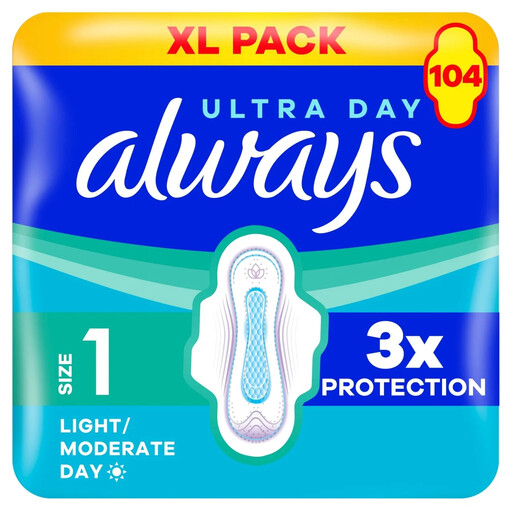
Why This Suits Their Persona: A 104-pack can suit shoppers who want a regular supply of ultra-thin pads for normal daytime menstrual flow without frequent reordering.
The Normal Size 1 format is more specific than choosing a pad solely by general pack appearance. Buyers should still match it to their own flow and coverage needs.
104 individually supplied pads; ultra-thin structure; suitable for normal daily flow according to the product listing.
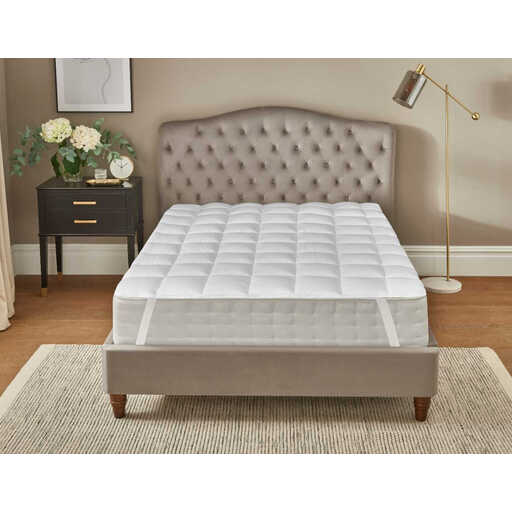
Why This Suits Their Persona: Suitable for shoppers furnishing a super king bed who want added surface softness and a quilted layer over a firm mattress.
The stated 180 x 200cm size and 800 GSM fill make the specification clearer than relying on vague descriptions of softness.
Box-stitched hollowfibre pockets; microfibre cover; machine-washable design with low-heat tumble-drying guidance.
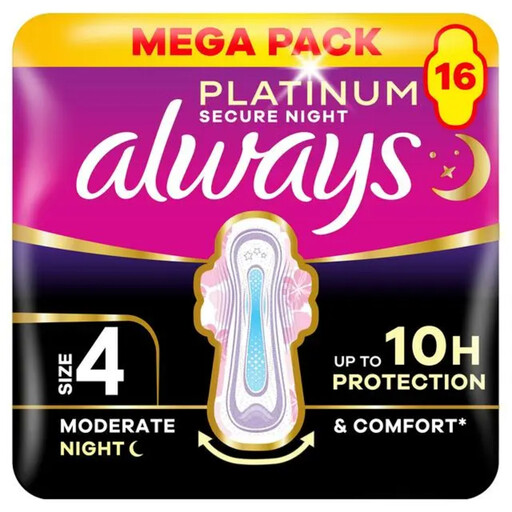
Why This Suits Their Persona: Designed for shoppers seeking longer overnight sanitary pads with wings for medium or heavy menstrual flow.
The Size 4, extra-long format and winged construction address coverage and movement concerns more directly than a standard daytime pad.
Extra-long design; adhesive wings; pack contains 16 disposable sanitary pads intended for overnight use.
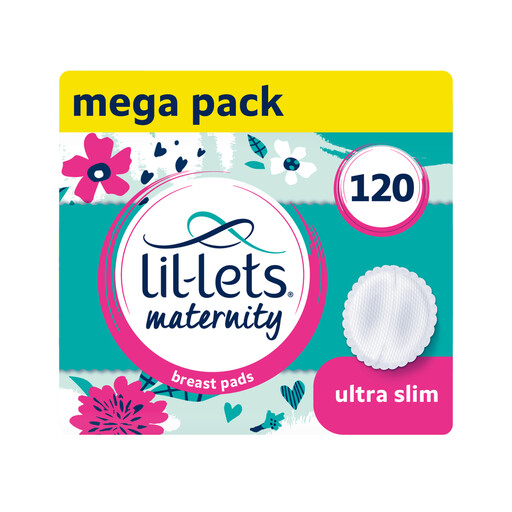
Why This Suits Their Persona: A practical option for breastfeeding parents managing daily milk leakage at home, during travel or when returning to activities outside the house.
The product lists individual wrapping, adhesive backing and an ultra-thin structure, helping address hygiene, movement and bulk concerns.
Four packs of 30; individually wrapped; adhesive backing; absorbent core for breast milk leakage protection.
We have compiled a complete, real-time list of products that fully satisfy these strict selection criteria and UK safety regulations.
Change them according to your flow and the product instructions, rather than waiting until they are completely saturated. More frequent changes may be appropriate during heavier flow, warm weather or prolonged wear. Stop using a product if persistent redness, itching or irritation occurs.
Replace a maternity breast pad when it becomes wet or saturated. Keeping a damp pad against the skin for too long can feel uncomfortable and may affect hygiene. Follow the product directions, wash your hands before changing it and do not apply it to damaged skin.
Camping sleeping pads do not have an ongoing energy cost when inflated manually. The main considerations are purchase price, storage, cleaning and eventual repair or replacement. Built-in foot pumps can remove the need to carry a separate pump, while a compact packed size may reduce transport demands. Always check valves for a secure seal and dry the mat fully before storage.