
24/7 全天候客户支持

免费退货

当日/次日达

品质保障

开启新人专享福利: 全场免邮 | 低至 2 折 | 免费试用 30 天 JoyPlus 会员
下载 Joybuy
Choosing pain relief medicines is not simply a matter of picking the largest pack or the product with the fastest-sounding name. The active ingredient, dosage, format and age suitability all affect whether a medicine is appropriate for your symptoms.
For UK households, the most common choices include pain relief tablets, ibuprofen tablets, paracetamol tablets, liquid pain relief capsules and pain relief gel. This guide explains the key differences and highlights practical options for adults, parents and carers.
Words such as “rapid”, “express” and “fast-acting” usually refer to the medicine’s formulation or absorption characteristics, not a guarantee that every person will feel relief within a particular time. Liquid-filled ibuprofen capsules may be designed for quicker absorption than standard tablets, while soluble tablets dissolve in water before being taken.
Always check the active ingredient and dosage instructions rather than relying on front-of-pack claims.
Many cold and flu products already contain paracetamol. Taking them alongside paracetamol tablets, capsules or combination products can lead to an unsafe total dose.
The same principle applies to ibuprofen and other NSAIDs. Do not combine ibuprofen tablets, ibuprofen capsules, aspirin or diclofenac products unless a doctor or pharmacist has advised you to do so.
A medicine suitable for an adult may not be suitable for a child, someone who is pregnant, or a person with asthma, stomach ulcers, kidney disease, liver problems or heart conditions. Aspirin products commonly have stricter age restrictions, while some children’s medicines are formulated for specific age groups only.
Read the current leaflet and packaging before use. Product formulations, pack sizes and directions may change.
Paracetamol is commonly used for headache relief, fever relief, toothache, period pain and general aches. It does not have the same anti-inflammatory action as ibuprofen, but it may be suitable for people who cannot take NSAIDs, subject to the product information and professional advice.
Ibuprofen is an NSAID used for mild to moderate pain, fever and inflammation. It is often selected for back pain relief, muscle pain relief, dental pain relief and period pain relief where inflammation may be involved. It is not suitable for everyone, including some people with a history of stomach ulcers, certain heart or kidney conditions, or late pregnancy.
Aspirin is also an NSAID, but some products are restricted to adults and children over 16. It may increase bleeding risk and is not appropriate for everyone taking anticoagulants or with a bleeding disorder.
Check the amount of active ingredient per tablet, capsule or measured liquid dose. For example:
Never assume that two differently branded products contain different ingredients. Compare the active ingredient panel and leave the stated interval between doses.
Choose a format that suits the person taking it:
For topical NSAID gels, check the age restriction, application limit and whether the skin is intact. Do not apply gel to broken, infected or irritated skin unless advised by a healthcare professional.
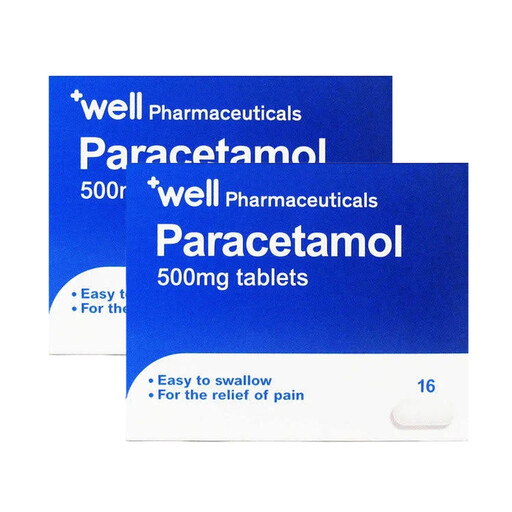
Why This Fits Their Persona: A straightforward 500mg paracetamol caplet format for adults and specified younger age groups needing short-term relief from common pain or fever.
The active ingredient and 500mg strength are clearly specified, helping shoppers compare it with other paracetamol products rather than paying for unneeded combination ingredients.
500mg paracetamol per caplet; suitable for several common pain and fever indications when used according to the label.
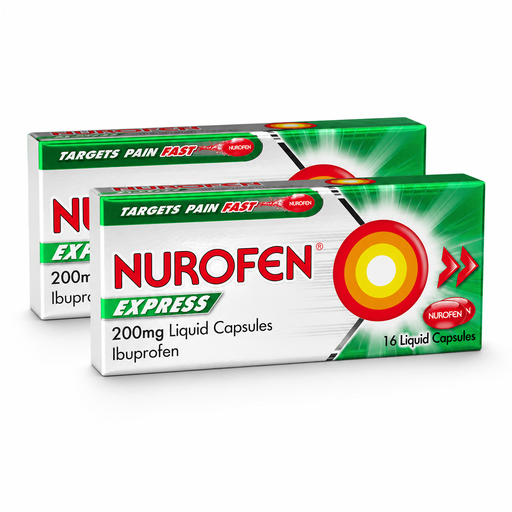
Why This Fits Their Persona: Suits adults and children aged 12 years and over who prefer a liquid-filled capsule format for headaches, dental pain, period pain or muscular discomfort.
The product identifies ibuprofen at 200mg per capsule and states its age range, making it easier to avoid unsuitable strengths or duplicate NSAID use.
Liquid-filled ibuprofen capsule format; intended for pain, inflammation and fever relief within the stated dosage limits.
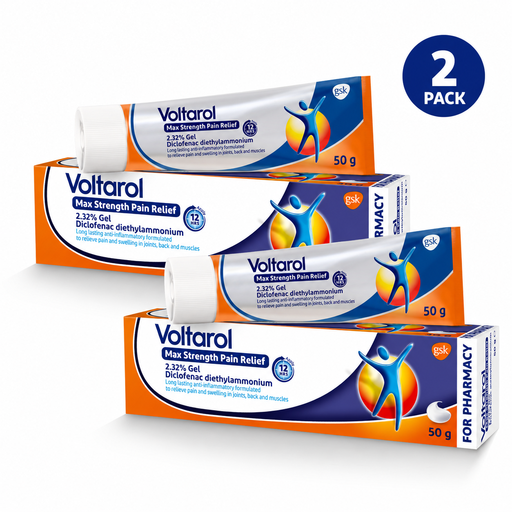
Why This Fits Their Persona: A practical match for adults and adolescents aged 14 years and over with localised muscle or joint discomfort who prefer topical application.
It is clearly positioned for external use on localised areas, so shoppers can distinguish it from oral pain relief tablets and follow application limits.
Contains diclofenac diethylammonium 2.32%; intended for application twice daily to specified muscle and joint areas.
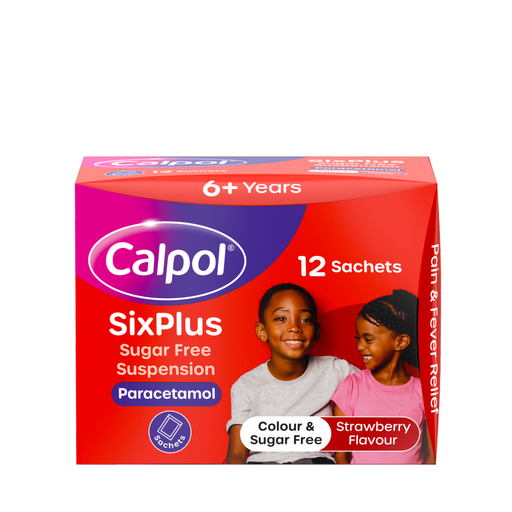
Why This Fits Their Persona: Designed for carers seeking a measured liquid format for children aged six years and over who have fever or mild to moderate pain.
The product states its child age range, paracetamol concentration and maximum daily frequency, helping carers avoid estimating tablet fractions.
Sugar-free oral suspension; contains 250mg paracetamol per 5ml and requires shaking before measuring.
We have compiled a complete, real-time list of products that fully satisfy these strict selection criteria and UK safety regulations.
Before purchasing or taking over-the-counter painkillers, UK shoppers should:
Paracetamol and ibuprofen are common options for short-term headache relief, provided the chosen medicine is suitable for you. Some products contain caffeine, which means you should monitor additional caffeine from coffee, tea and cola. Follow the pack directions and do not combine products containing the same active ingredient.
Children need age- and, in some cases, weight-appropriate medicines. Oral suspension can make measuring easier, while dissolving or fast-melt formats may suit children who struggle to swallow. Check the exact age range and never give an adult product unless a healthcare professional has advised you to do so.
Ask for advice if you have a long-term condition, take regular medicines, are pregnant or breastfeeding, or are unsure whether paracetamol, ibuprofen or aspirin is appropriate. Seek prompt medical attention after an overdose, even if there are no immediate symptoms.