
24/7 全天候客户支持

免费退货

当日/次日达

品质保障

开启新人专享福利: 全场免邮 | 低至 2 折 | 免费试用 30 天 JoyPlus 会员
下载 Joybuy
Choosing suitable pain relief products is not simply a matter of selecting the strongest-looking pack. The right option depends on where the pain is, how long it has lasted, whether inflammation is involved and which ingredients or treatment methods are appropriate for you.
Whether you need back pain relief, support for muscle soreness, joint discomfort, period pain or a headache, compare the product format, directions and safety information before buying.
A stronger percentage or combined formula is not automatically appropriate for every type of pain. Oral medicines containing ibuprofen, paracetamol or both have different precautions, age restrictions and maximum doses. A topical gel may be more suitable for a localised area, while tablets are designed to work throughout the body.
Check the active ingredient, strength, recommended age and maximum duration rather than relying on wording such as “maximum strength” or “dual action”.
A heat pad may provide warmth for a specified period, but this does not mean it should remain against the skin indefinitely. Likewise, a massage device can be rechargeable and convenient, but battery life is not the same as treatment effectiveness.
Look for practical details such as application frequency, charging time, operating time and whether the product is applied to skin, clothing or used over a specific body area.
It is easy to combine products without realising they contain similar medicines. For example, ibuprofen tablets should not normally be combined with other NSAIDs, including some anti-inflammatory gels, without advice from a pharmacist or doctor. Products containing paracetamol must not be taken alongside another medicine containing paracetamol.
Always check the leaflet and packaging. Ask a UK pharmacist if you take regular medicines, are pregnant or breastfeeding, have asthma, stomach ulcers, or heart, kidney or liver conditions.
For localised inflammation caused by a sprain, strain or some types of joint discomfort, diclofenac pain relief gel may offer a targeted topical format. It is applied to the affected area rather than swallowed. Check whether the product is intended for adults or adolescents aged 14 and over, how much to apply and how frequently it can be used.
Oral over-the-counter pain relief may be appropriate for short-term mild to moderate pain, but the choice between ibuprofen, paracetamol or a combination product depends on your health circumstances. Follow the stated dose and never exceed the maximum in 24 hours.
For muscular stiffness or some forms of back pain relief, heat pads can be a non-medicinal option. Confirm whether the pad attaches to clothing or may be applied to skin. The Cura Heat product below, for example, is designed to be placed on clothing or underwear rather than directly on the skin.
Heat products should not be used if they cause excessive warmth, irritation or discomfort. Keep them away from children and follow the packaging instructions.
When comparing a massage roller for muscle recovery or a massage pillow for lower back pain, check the number of settings, surface material, operating time and intended body areas. A contoured roller may suit people who want to target muscles around the spine, while a pillow-style device may be easier to use while seated at home or in an office.
Massage devices are not substitutes for medical assessment after a serious injury. Stop using one if pain increases, numbness develops or the area becomes unusually swollen.
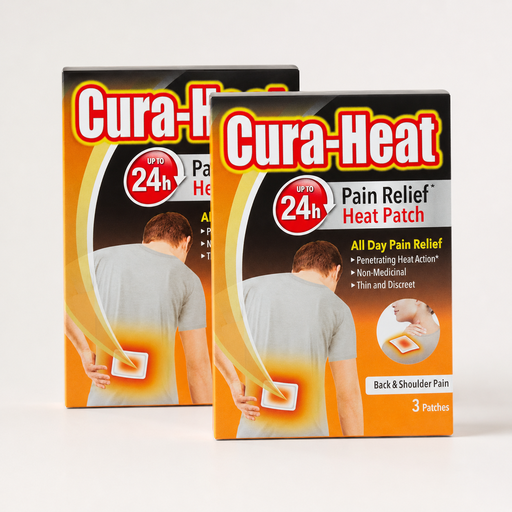
Why This Fits Their Persona: A non-medicinal option for adults wanting discreet heat therapy for back or shoulder discomfort at home, work or while travelling.
The instructions clearly state that the pads go on clothing or underwear, not directly on the skin, helping avoid misuse of heat products.
Non-medicinal and fragrance-free; each pad provides up to 12 hours of active heat according to the supplied product information.
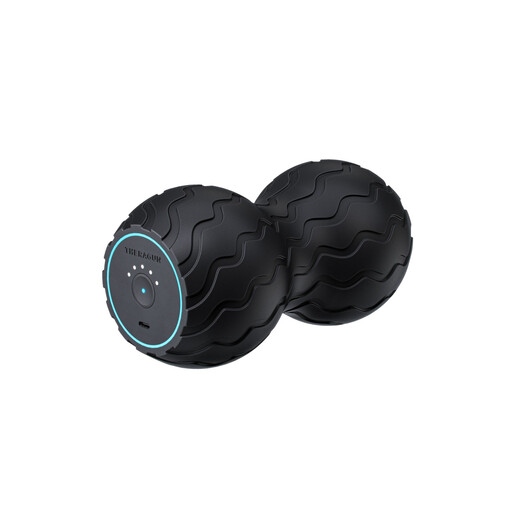
Why This Fits Their Persona: Suitable for people who want adjustable vibration, a rechargeable design and a portable massage roller for muscle recovery after daily activity.
Instead of a single fixed intensity, it provides five vibration settings, allowing users to choose a more comfortable level.
Dual-sphere contoured design; rechargeable battery with up to 200 minutes of stated use and a travel pouch.
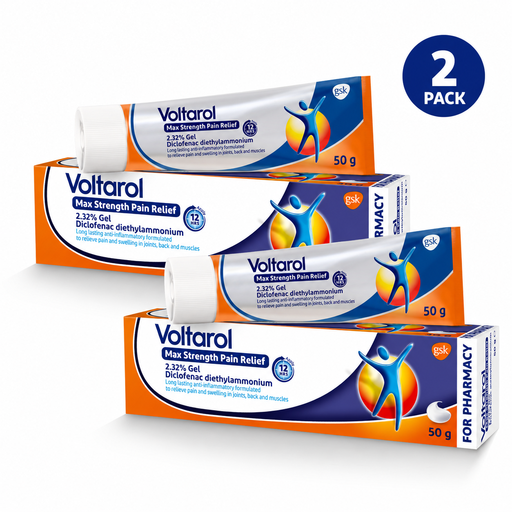
Why This Fits Their Persona: Designed for adults and adolescents aged 14 and over who need a topical option for a localised joint or muscle area.
The supplied directions specify the application amount, twice-daily use and a limit of 8 g per joint area per day.
Contains diclofenac diethylammonium 2.32% w/w; non-greasy topical format for external use.
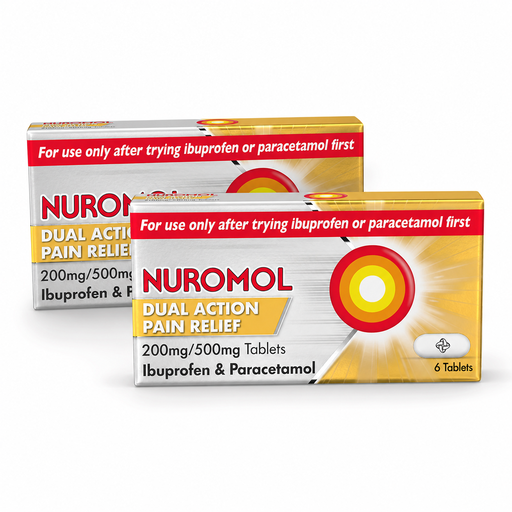
Why This Fits Their Persona: Intended only for adults aged 18 and over seeking short-term relief when one active ingredient has not provided enough relief.
The fixed-dose format makes the two active ingredients visible, reducing the risk of casually combining separate products without checking their contents.
Each tablet contains ibuprofen and paracetamol; the supplied directions specify no more than three tablets in 24 hours and use for up to three days.
We have compiled a complete, real-time list of products that fully satisfy these strict selection criteria and UK safety regulations.
The choice depends on the cause and location of the discomfort. Heat pads may suit muscular stiffness, while a topical diclofenac gel is intended for localised joint or muscle pain when the label says it is appropriate. Oral medicines may help some forms of backache, but check contraindications and avoid taking multiple NSAID products together without professional advice.
Rechargeable massage devices have electricity and eventual battery-replacement considerations, while heat pads require replacement pads. Compare the number of uses supplied, charging time and replacement costs. A device with a longer operating time may be more convenient, but it still needs to be used according to its instructions.
Seek advice from a pharmacist, GP or NHS service if pain is severe, follows a significant injury, persists or worsens, or is accompanied by swelling, weakness, numbness, breathing difficulty or an allergic reaction. For medicines, stop use and seek help if serious symptoms occur. Always read the current UK label and leaflet before use.