
24/7 Customer Support

Free returns

Same-day & Next-day Delivery

Quality Guaranteed

Unlock Your Welcome Offers: FREE Delivery | Up to 80% OFF | Free 30-day JoyPlus trial
Download the APP
Choosing pain relief tablets is not simply a matter of selecting the most familiar pack. UK shelves contain paracetamol tablets, ibuprofen tablets, aspirin, combination medicines, liquid capsules and soluble formats, each with different active ingredients, age limits and precautions.
The wrong choice can lead to wasted money or, more seriously, accidental duplication of ingredients. This guide explains what to check before buying and highlights suitable options for different everyday needs, including period pain relief, headache tablets, back pain relief, toothache relief and fever relief.
A pack may display a large milligram figure, but the number cannot be compared directly across ingredients. For example, 500mg of paracetamol and 200mg of ibuprofen are different medicines with different dosing instructions and precautions.
Always check:
Liquid pain relief capsules and soluble pain relief tablets may be more convenient for some people. However, claims about speed vary by product and should be checked against the packaging information. A standard tablet may be adequate if you do not need rapid administration, while a soluble or liquid format can suit people who find conventional tablets difficult to swallow.
Dual-action pain relief combines two active ingredients in one product. This can be convenient, but it also increases the importance of checking what else you are taking. A product containing paracetamol must not be combined with other paracetamol-containing medicines. Similarly, ibuprofen products should not be taken alongside other NSAIDs unless advised by a healthcare professional.
Paracetamol is commonly selected for mild to moderate pain and fever, including headaches, period pain, toothache and general aches. It is not an anti-inflammatory medicine.
Ibuprofen is an NSAID used for pain where inflammation may be present, such as muscular aches, backache, dental pain and period pain. It is not suitable for everyone, including some people with a history of stomach ulcers, certain heart, kidney or liver conditions, NSAID allergies or particular stages of pregnancy.
Aspirin has additional restrictions and is generally not suitable for children under 16 unless directed by a doctor. Check the leaflet carefully if you take anticoagulants or have a bleeding condition.
Many adult and adolescent products in this selection are intended for people aged 12 years and over, while combination products such as Nuromol are indicated for adults aged 18 years and over. Children’s products require age-specific dosing and should never be treated as smaller versions of adult medicines.
Use the lowest effective dose for the shortest time stated on the label. If pain, fever or other symptoms persist, worsen or change, seek advice from a pharmacist or GP rather than continuing to self-medicate.
Choose a format that fits how you will use it:
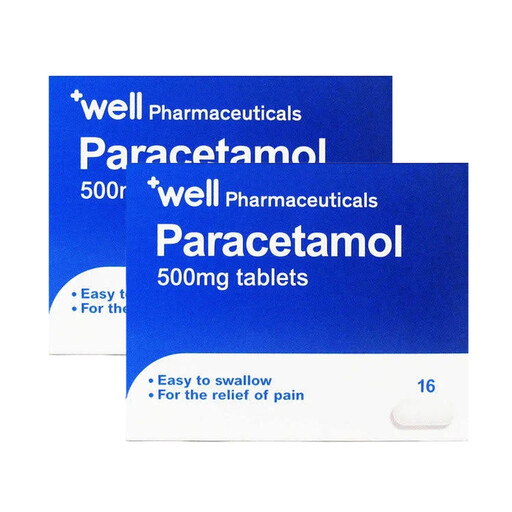
Why This Fits Their Persona: A straightforward 500mg paracetamol format for adults and some adolescents, suitable for keeping in a home medicine cabinet for short-term pain or fever relief.
The active ingredient and 500mg strength are clearly identified, helping shoppers compare it with branded paracetamol products rather than paying only for packaging.
Standard 500mg paracetamol capsules; pack of 16; listed for headaches, toothache, period pain and fever.
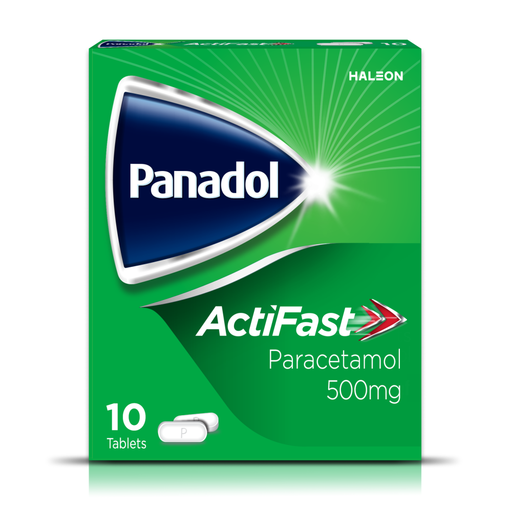
Why This Fits Their Persona: Suits adults and children aged 12 and over who prefer a film-coated tablet and are specifically comparing fast-acting paracetamol formats.
It states the active ingredient as paracetamol 500mg and gives a clear maximum daily dose, rather than relying on vague “rapid” wording alone.
500mg paracetamol per tablet; sodium bicarbonate formulation; suitable for pain and fever relief.
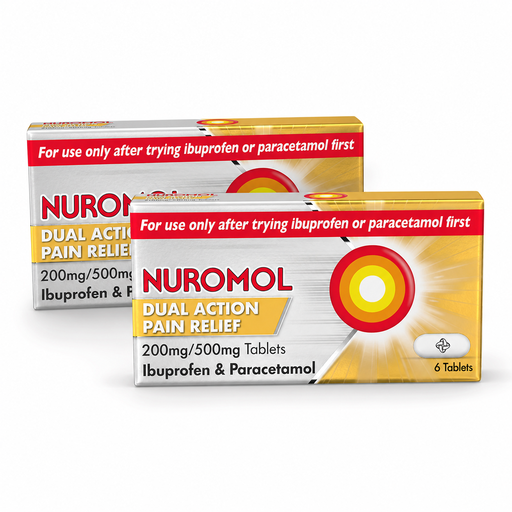
Why This Fits Their Persona: Intended for adults aged 18 and over whose moderate pain has not been adequately relieved by ibuprofen or paracetamol alone, subject to the product directions.
The fixed combination makes the ingredients visible in one product, reducing the temptation to combine separate medicines without checking the leaflet.
Contains ibuprofen and paracetamol in one tablet; indicated for short-term moderate pain; adult-only use.
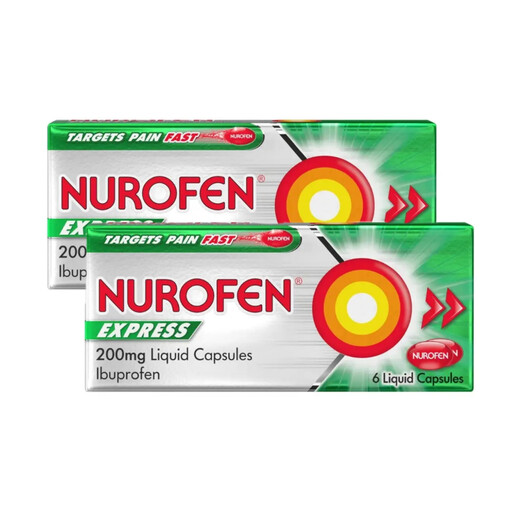
Why This Fits Their Persona: A liquid-filled ibuprofen capsule format for adults and children aged 12 and over who prioritise convenient swallowing and rapid absorption.
The capsule format is clearly distinguished from standard ibuprofen tablets, while the label still provides the ingredient, strength and daily limit.
Contains ibuprofen 200mg per capsule; liquid-filled format; listed for headaches, period pain, backache and fever.
Before purchasing or taking OTC painkillers:
For children, select a product specifically labelled for the child’s age and follow the dose instructions precisely. Do not use adult products as a substitute.
We have compiled a complete, real-time list of products that fully satisfy these strict selection criteria and UK safety regulations.
The choice depends on the type of pain, your health circumstances and whether inflammation is present. Ibuprofen products and topical diclofenac gels are labelled for some muscular and joint pain, while paracetamol is used for pain and fever. Check contraindications and ask a pharmacist if you are unsure.
Do not combine or alternate them without first checking the product leaflets or speaking to a pharmacist. Combination products already contain specified amounts of both ingredients, so taking additional paracetamol or ibuprofen could exceed the recommended dose.
Use them only for the duration stated on the packaging. Many products advise medical advice if fever continues beyond three days or pain persists, worsens or requires repeated treatment. Frequent headaches, recurring period pain or ongoing back pain should be discussed with a GP or pharmacist rather than managed indefinitely with OTC medicines.