
24/7 Customer Support

Free returns

Same-day & Next-day Delivery

Quality Guaranteed

Unlock Your Welcome Offers: FREE Delivery | Up to 80% OFF | Free 30-day JoyPlus trial
Download the APP
Headaches, toothache, backache, period pain and fever can make even routine UK days difficult. However, choosing pain relief tablets is not simply a case of selecting the most familiar pack. The active ingredient, dose, age guidance and existing medicines all affect whether a product is suitable.
As the Joybuy Product Recommendation Officer, I focus on practical details rather than promotional wording. This guide explains the main buying traps, the specifications worth checking and a selection of OTC pain relief UK shoppers may wish to compare.
Paracetamol tablets are commonly used for mild to moderate pain and fever, while ibuprofen and aspirin belong to the NSAID group. These anti-inflammatory painkillers may also help with swelling and inflammation, but they have different warnings and may not be suitable for people with certain stomach, kidney, liver, heart or asthma-related conditions.
A product designed for period pain relief may contain caffeine as well as paracetamol, while a standard tablet may contain only one active ingredient. Always check the ingredients rather than relying on the front-of-pack description.
Taking more than one product with paracetamol can lead to an unsafe total daily amount. Cold and flu medicines may also contain paracetamol, even when the packaging focuses on congestion or fever. Similarly, different ibuprofen products should not normally be combined.
Check the active ingredients on every medicine, follow the stated dose and ask a pharmacist if you are unsure.
Liquid capsules, sodium-containing formulations and products with specific absorption features may be marketed for fast-acting pain relief. These formats can be convenient, but individual response varies. A faster absorption claim does not remove dose limits or contraindications.
Look for clear information about active ingredient strength, age suitability and maximum daily dose before paying extra for a particular format.
Do not compare pack sizes without checking strength. For example, a 256mg sodium ibuprofen tablet may contain the equivalent of 200mg ibuprofen. Packets also differ: some contain eight tablets or capsules, while others contain 16 or two separate packs.
Read the product leaflet for the minimum interval between doses and maximum permitted in 24 hours. Never exceed the stated amount, even if symptoms continue.
Many listed products are for adults and adolescents aged 12 years and over, but aspirin products in this selection are stated for adults and children over 16 years. A combined ibuprofen-and-paracetamol product is stated for adults aged 18 years and over only.
Check with a pharmacist or doctor before using ibuprofen or aspirin if you have had stomach ulcers, take blood-thinning medicine, have asthma, kidney or liver problems, or are pregnant or breastfeeding. Paracetamol also requires care in cases of liver or kidney disease, regular alcohol consumption or use alongside other paracetamol-containing medicines.
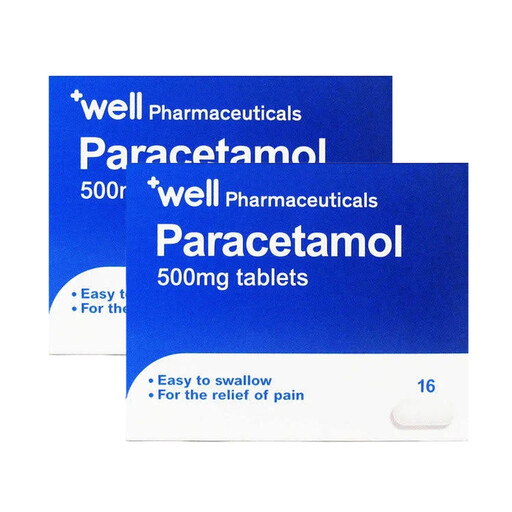
Why This Fits Their Persona: A straightforward 500mg paracetamol format for households seeking a practical option for occasional pain and fever.
The active ingredient and 500mg strength are clearly stated, helping shoppers avoid paying for unclear or unnecessarily complex formulations.
500mg paracetamol per caplet; 16-caplet pack supplied as two packs.
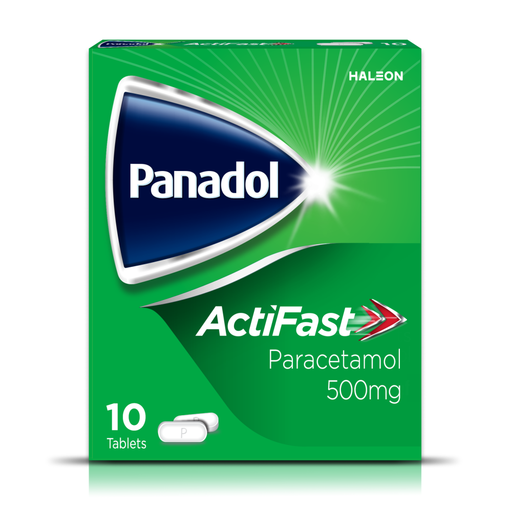
Why This Fits Their Persona: Suitable for shoppers prioritising a film-coated tablet and a formulation described as faster-absorbing than standard paracetamol tablets.
The product information specifies paracetamol content and warns against taking other paracetamol-containing medicines.
500mg paracetamol per tablet; oval, film-coated format.
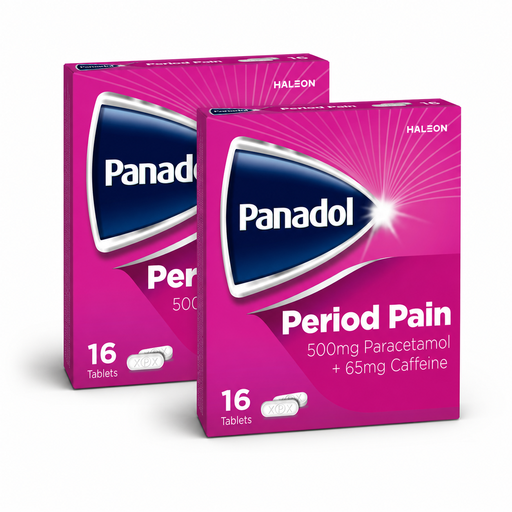
Why This Fits Their Persona: Intended for adults and children aged 12 years and over who specifically need menstrual cramp, period-related headache or backache relief.
Its dual active ingredients are listed as 500mg paracetamol and 65mg caffeine, so the formulation is not hidden behind a general “period” label.
Dual-ingredient formula; can be taken on an empty stomach according to the supplied product information.
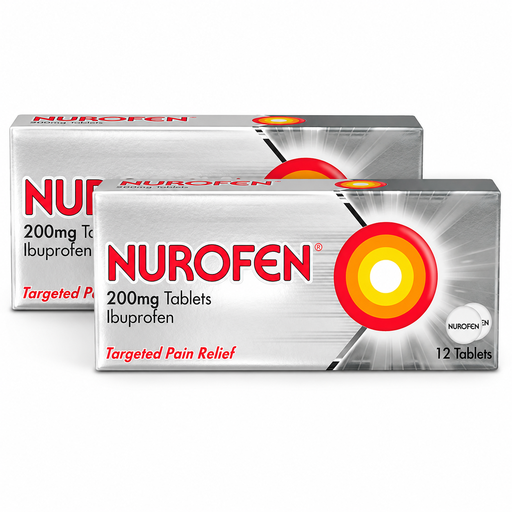
Why This Fits Their Persona: A suitable comparison point for adults and those aged 12 years and over seeking ibuprofen for pain involving inflammation, such as muscular aches, backache or period pain.
The label provides a defined 200mg strength, age guidance and a maximum of six tablets in 24 hours.
Contains 200mg ibuprofen; indicated for pain, fever and inflammation-related symptoms.
We have compiled a complete, real-time list of products that fully satisfy these strict selection criteria and UK safety regulations.
Paracetamol tablets and ibuprofen tablets are commonly labelled for headaches, but suitability depends on your health, other medicines and the product instructions. Check whether the headache is accompanied by unusual symptoms or persists, and seek medical advice where appropriate.
Some products combine both ingredients in a single tablet, but this does not mean separate medicines can be combined without checking the instructions. Avoid exceeding either ingredient’s daily limit and ask a pharmacist if you already take other medicines.
Use the lowest effective dose for the shortest period stated on the packaging. Several products advise seeking medical advice if symptoms continue for three days, while some adult ibuprofen products specify a longer maximum period for pain. Follow the individual label rather than assuming all pain relief tablets have the same duration guidance.
Always read the supplied packaging before use, keep medicines out of children’s reach and consult a pharmacist or doctor if symptoms worsen, recur frequently or do not improve.