
24/7 Customer Support

Free returns

Same-day & Next-day Delivery

Quality Guaranteed

Unlock Your Welcome Offers: FREE Delivery | Up to 80% OFF | Free 30-day JoyPlus trial
Download the APP
A fresh coat of paint is one of the quickest ways to transform a room, but the quality of your finish often comes down to one simple tool: the paint brush. With shelves full of options, it’s easy to grab the first pack you see. However, a poor choice can lead to stray bristles stuck in your new wall colour, uneven coverage and a finish that looks anything but professional. As a Joybuy Product Recommendation Officer, my role is to help you navigate the options and avoid the common pitfalls that lead to wasted money and disappointing results.
Before you start your next project, let's look at the three most common traps many UK shoppers fall into when buying paint brushes:
To ensure you get a smooth, professional-looking result, focus on these two core components rather than marketing hype.
The type of bristle is the most critical factor and depends entirely on the paint you are using.
Often overlooked, these parts determine the brush's durability and comfort.
Instead of a one-size-fits-all approach, we've matched specific brushes and sets to the type of decorating project you might be tackling.
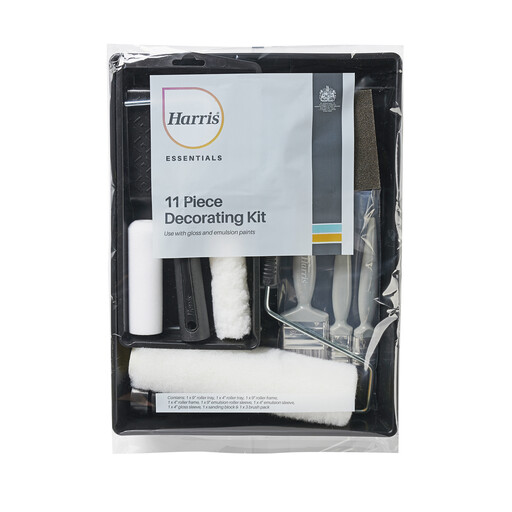
Why This Fits Their Persona: This user is tackling a whole room, from walls and ceilings to woodwork. This comprehensive decorating set provides the essential tools to get started without needing to buy everything separately.
It directly counters the "one-brush-fits-all" trap by including specific brushes for emulsion and a separate gloss paint brush, acknowledging that different paints need different tools.
This is a complete starter kit. It includes rollers for large surfaces, multiple brush sizes for detail, trays and even a sanding block for surface preparation.
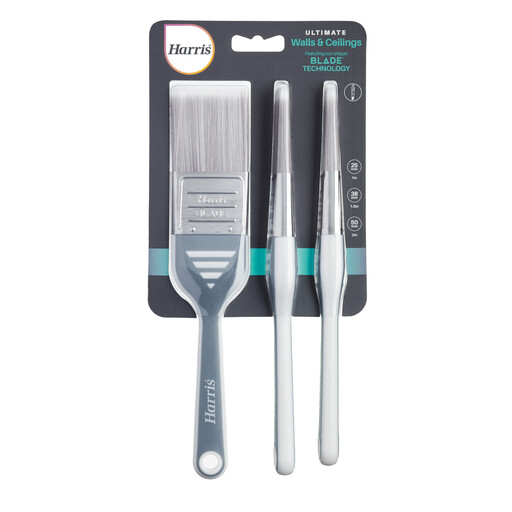
Why This Fits Their Persona: This user prioritises sharp, clean lines and wants to perfect the art of "cutting in" around ceilings, corners and trim without spending hours on it.
It addresses the bristle loss trap with a "guaranteed no bristle loss" feature. Its specialised design also avoids the poor results from using a generic brush for precision work.
The unique tapered "Blade Technology" provides an exceptionally fine edge for superior control, making it an excellent cutting in brush for achieving crisp, professional lines.
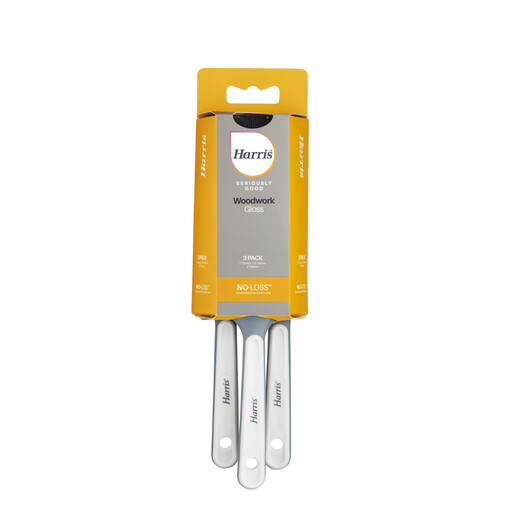
Why This Fits Their Persona: This person is focused on finishing interior woodwork like skirting boards, doors and furniture with gloss, satin or eggshell paints and needs a brush that delivers a smooth, durable finish.
This is a purpose-built woodwork paint brush, not a generic one. It's specifically engineered for the viscosity of gloss and satin paints, preventing the streaky finish you'd get from an emulsion brush.
It features a "no bristle loss" guarantee and comes in three different sizes, providing versatility for painting both larger flat areas and smaller, more detailed sections of woodwork.
We have compiled a complete, real-time list of products that fully satisfy these strict selection criteria and UK safety regulations.
While you technically can, it is not recommended for a quality finish. Emulsion (water-based) and gloss (often oil-based) paints have different chemical makeups and consistencies. A synthetic paint brush is designed for the smooth flow of emulsion, whereas a specific gloss paint brush is better suited to the thicker, stickier nature of oil-based paints. Using the correct brush for each paint type will give a much better result and prolong the life of your tools.
The best defence is to choose a quality brush from the start. Look for features like a "no loss" claim and a securely fixed, rust-resistant ferrule. Before you first use a new brush, give it a firm rub or flick with your hand to dislodge any loose bristles from the manufacturing process. Proper cleaning is also vital—always clean your brushes thoroughly as soon as you finish painting and avoid leaving them to soak for hours, as this can dissolve the adhesive holding the bristles.
A cutting in brush is a specialised tool, usually with an angled head, designed for painting neat, straight lines where one surface meets another—for example, where a wall meets the ceiling or a door frame. While you can attempt this with a standard square-cut brush, a dedicated cutting in brush gives you significantly more control and precision. For achieving that sharp, professional-looking edge, it is a very worthwhile addition to your collection of DIY decorating tools.