
24/7 Customer Support

Free returns

Same-day & Next-day Delivery

Quality Guaranteed

Unlock Your Welcome Offers: FREE Delivery | Up to 80% OFF | Free 30-day JoyPlus trial
Download the APP
Choosing paint brushes can seem straightforward until the first stroke leaves loose bristles, visible lines or an uneven edge. Whether you are refreshing a rented flat, painting skirting boards, decorating a hallway or working on a watercolour project, the right brush depends on the paint, surface and level of control required.
This guide explains the practical specifications to check before buying, common traps to avoid and suitable options for different UK decorating and creative projects.
A brush suitable for emulsion paint may not give the same control with gloss, varnish or artist paints. Wall and ceiling paint brushes are generally designed for broader coverage and cutting in, while woodwork paint brushes need to handle narrower surfaces and smoother finishes.
For creative work, watercolour paint brushes, acrylic paint brushes and oil paint brushes have different shapes and bristle characteristics. A general decorating brush may be unsuitable for fine detail or controlled washes.
A large brush can cover a wall quickly, but it is difficult to control around sockets, door frames and corners. Conversely, a very narrow brush may create unnecessary overlap marks on large sections.
For many household tasks, a selection of sizes is more useful than a single oversized brush. Cutting-in brushes around 12mm to 25mm can help with edges, while 38mm to 50mm brushes are practical for trim, doors and medium-sized areas. Brushes of 75mm or 100mm are more suited to broad coverage.
Even a well-constructed brush can lose its shape if paint dries in the filaments or if it is left soaking for long periods. Water-based paints should usually be cleaned promptly with water or according to the paint tin’s instructions. Solvent-based products may require a suitable cleaning fluid.
Do not leave decorating brushes submerged or store them while damp. Dry them thoroughly and follow the manufacturer’s care guidance to reduce bristle deformation and corrosion.
Synthetic paint brushes are commonly used with emulsion, acrylic and many water-based paints. They are less likely to absorb water than some natural fibres and can provide a consistent shape when properly maintained.
Mixed or natural hair brushes can be useful for watercolour, gouache and certain art techniques. The brush shape is equally important:
Always check the product description and paint manufacturer’s instructions rather than relying on the brush name alone.
A paint brush set with several sizes can be more economical than purchasing individual brushes for each task. For walls and ceilings, a three-piece set may provide enough choice for edges and general application. A larger pack can be practical when working through several rooms or using both emulsion and gloss.
For woodwork, 25mm to 50mm brushes are often easier to control on skirting boards, doors, furniture and stair components. Larger 75mm and 100mm decorating brushes can be useful for wide timber surfaces or substantial coverage.
A comfort-grip or ergonomic handle may be helpful during longer decorating sessions, particularly when painting ceilings or large rooms. The ferrule should hold the bristles securely and resist corrosion when cleaned correctly.
Look for clearly stated construction details such as stainless steel or rust-resistant ferrules, synthetic filaments and the number of brushes included. Claims such as “no bristle loss” should be read alongside the care instructions, because leaving brushes in water or a damp area can still affect their condition.
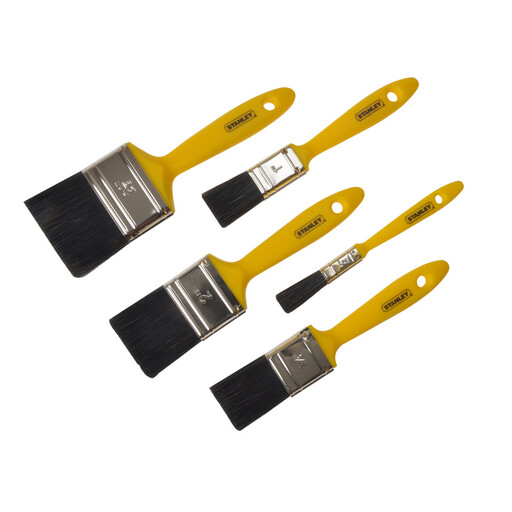
Why This Fits Their Persona: A practical starting set for homeowners tackling touch-ups, furniture, trim and smaller decorating jobs around a UK home.
Five sizes reduce the need to force one brush into every task, and the stated part-synthetic bristles are intended for smooth, even application.
Includes 12mm, 25mm, 37mm, 50mm and 62mm brushes, with ergonomic polypropylene handles and rust-resistant ferrules.
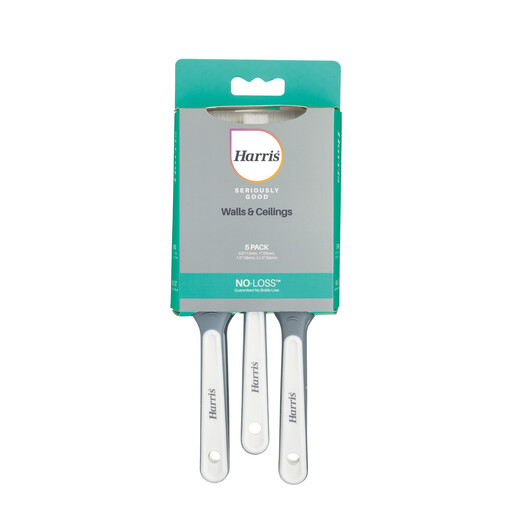
Why This Fits Their Persona: Suited to decorators who want dedicated emulsion paint brushes for room refreshes, ceilings and detailed edge work.
It is specifically listed for emulsion paints and walls and ceilings, rather than being presented as a universal solution for every finish.
Pack of five synthetic brushes, comfort-grip handles and a listed no-bristle-loss design. Clean promptly and dry thoroughly after use.
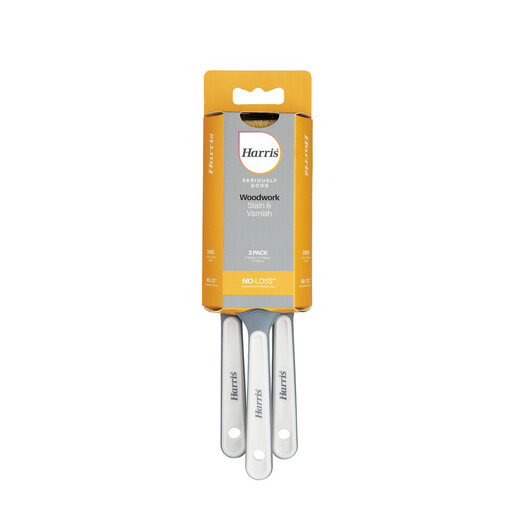
Why This Fits Their Persona: A focused option for repeated work on doors, furniture, stair banisters and other flat wooden trim.
The intended use is clearly stated for stains and varnishes, helping avoid using a general wall brush on woodwork where control matters.
Three sizes—1 inch, 1.5 inch and 2 inch—with synthetic bristles and soft-grip handles for controlled application.
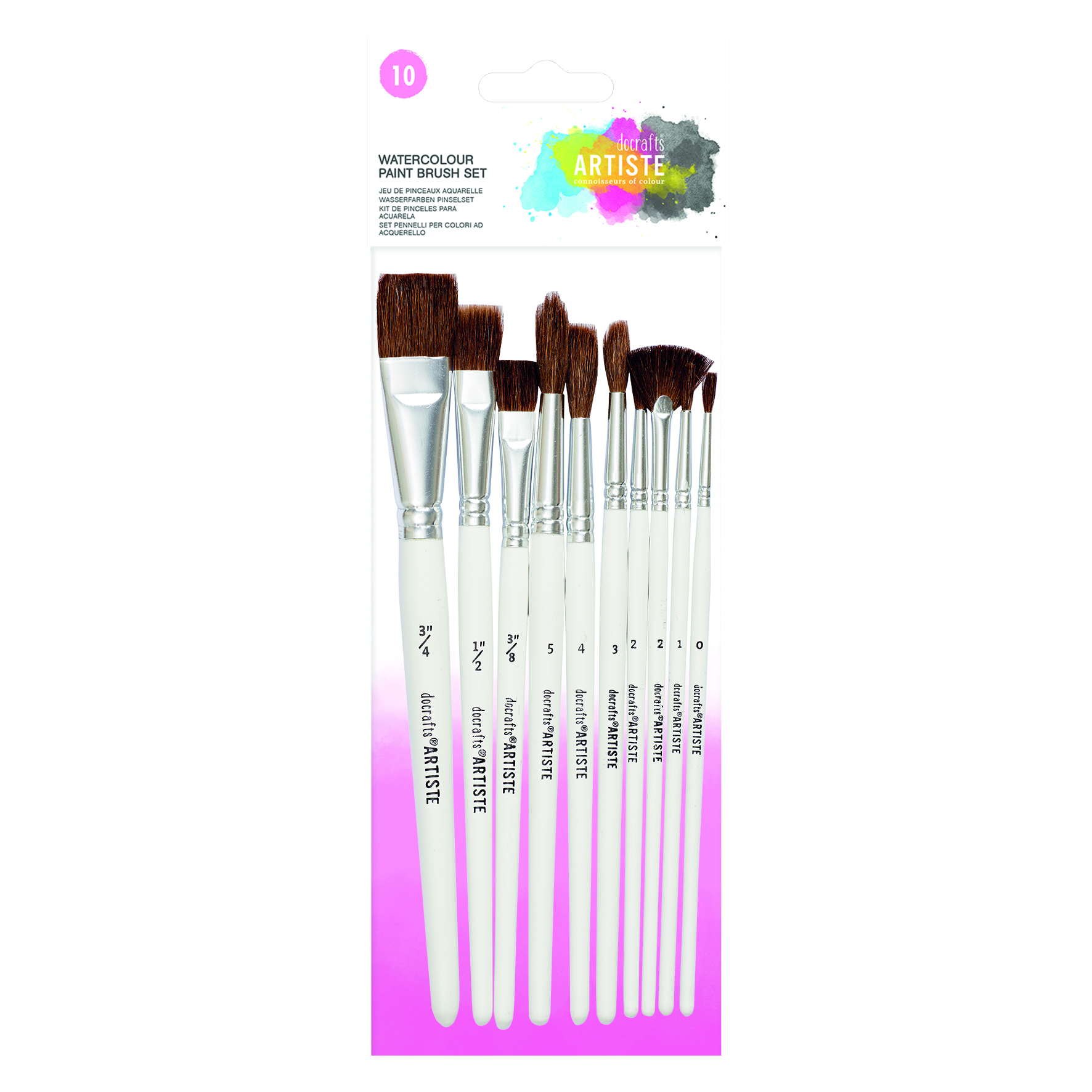
Why This Fits Their Persona: Designed for sketchbooks, classes, journalling, illustration practice and home creative projects requiring different brush shapes.
The pack identifies its brush shapes and watercolour purpose, making it easier to match the tools to washes, blending and fine details.
Ten natural-hair brushes include fan, round and wash shapes. They are listed as suitable for hobbyists, artists, students and classrooms.
For mixed home decorating, the Harris Essentials Walls, Ceilings & Gloss 10 Pack combines brushes for emulsion and gloss in sizes from 0.5 inch to 2 inches. A three-piece Harris Essentials Walls & Ceiling pack includes 1 inch, 1.5 inch and 2 inch synthetic brushes for interior flat walls and ceilings.
For larger areas, Stanley 75mm and 100mm decorating brushes provide broader coverage. For gloss, eggshell and satin finishes on smaller interior woodwork, the Harris Seriously Good Woodwork Gloss 3 Pack is specifically listed for those paint types.
Artists working across media may prefer the Artiste five-piece set for watercolour, gouache, oil, acrylic and craft painting. Always clean brushes immediately after acrylic use, as dried paint can make filaments rigid.
We have compiled a complete, real-time list of products that fully satisfy these strict selection criteria and UK safety regulations.
Wear suitable protective clothing when decorating, ventilate rooms as directed and keep brushes and paint away from children.
Synthetic emulsion paint brushes are a practical choice for walls and ceilings. A selection of sizes helps with both broad application and cutting in around corners, frames and skirting boards.
Brushes between 25mm and 50mm are commonly manageable for doors, furniture, skirting boards and trim. Smaller brushes offer more control around narrow edges, while a 50mm brush covers wider flat sections.