
24/7 Customer Support

Free returns

Same-day & Next-day Delivery

Quality Guaranteed

Unlock Your Welcome Offers: FREE Delivery | Up to 80% OFF | Free 30-day JoyPlus trial
Download the APP
Choosing paint brushes can seem straightforward until loose bristles appear in fresh paint, the handle becomes uncomfortable or a supposedly versatile brush struggles with the finish you are using. UK shoppers often buy based on pack size or an impressive-sounding label, then discover that the brush is unsuitable for emulsion, gloss, varnish or artwork.
This guide explains the practical differences between decorating paint brushes, DIY painting brushes and artist brush sets, helping you select the right option for your surface, paint type and working style.
A brush may be described as versatile, but paint compatibility still matters. Emulsion paint brushes are designed for walls and ceilings, while gloss paint brushes and woodwork paint brushes need to manage smoother, more detailed applications on doors, skirting boards and furniture.
Artist brushes are a separate category. Watercolour brushes, acrylic paint brushes and oil paint brushes differ in shape, stiffness and size. A large decorating brush is not a practical replacement for a fine round brush used for detail work.
A 75mm brush can cover broad areas efficiently, but it is difficult to control around sockets, door frames and corners. Conversely, a very narrow brush can make painting a wall slow and uneven.
For most interior decorating, a selection of sizes is more useful than one oversized brush. Smaller brushes help with cutting in, while 38mm to 50mm options can handle trim and medium-sized surfaces.
Terms such as “no bristle loss” may indicate a design feature, but they do not remove the need for correct cleaning and storage. Leaving brushes soaking, allowing paint to dry in the ferrule or storing them while damp can affect their shape and lifespan.
Always follow the paint tin’s cleaning instructions. Water-based emulsion generally requires warm soapy water, while certain gloss paints, stains and varnishes may require a specified cleaning fluid.
Synthetic paint brushes are commonly suited to water-based paints, including many emulsions and acrylics. They can provide a consistent edge and are usually straightforward to clean with the appropriate method.
Natural hair brushes are also used in art sets, particularly for varied techniques involving acrylics, oils and mixed media. However, suitability depends on the specific product description and paint manufacturer’s guidance.
For decorating, also check whether the bristles are tapered. Tapered filaments can help with controlled paint distribution and cutting in, while mixed or part-synthetic bristles may balance coverage and flexibility.
Common decorating sizes include:
A cutting-in brush with a tapered or blade-style head can be useful around ceiling lines, window frames and architraves. For broad wall coverage, a roller is usually quicker, with wall and ceiling paint brushes used for edges and areas a roller cannot reach.
An ergonomic handle can improve control during longer decorating sessions. The ferrule should hold the bristles securely and, for repeated use with water-based products, rust resistance is a useful practical feature.
Look for clear care instructions. Do not leave brushes standing on their bristles or submerged for extended periods. Remove excess paint promptly, wash according to the paint label, reshape the head and allow it to dry naturally before storage.
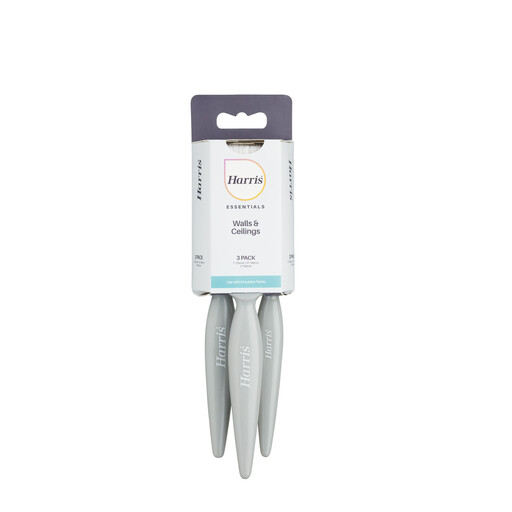
Why This Fits Their Persona: Three practical widths provide a manageable starting kit for common interior decorating jobs, from edges to medium-sized areas.
It avoids relying on one brush size and is described for emulsion paints used on walls and ceilings.
Includes 1-inch, 1.5-inch and 2-inch brushes, with synthetic bristles and ergonomic handles.
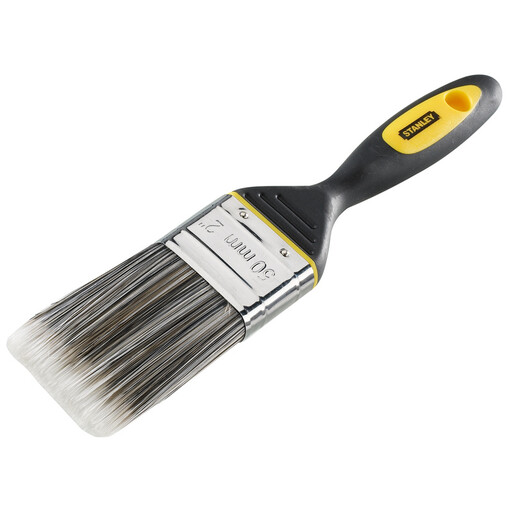
Why This Fits Their Persona: A single 50mm brush suits shoppers wanting a durable, comfortable tool for regular home maintenance and decorating.
Its 50mm width is more controlled than a large 75mm brush, while tapered synthetic filaments are specified for even application.
Features a stainless steel ferrule, ergonomic DYNAGRIP handle and compatibility information covering all paint types.
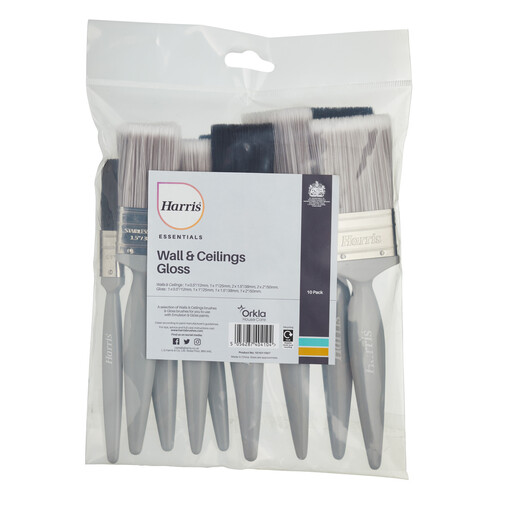
Why This Fits Their Persona: Suitable for larger decorating projects involving emulsion, gloss and interior woodwork, where several sizes are useful.
The mixed pack makes paint-specific selection clearer, rather than treating every brush as interchangeable.
Contains 10 synthetic brushes, including separate sizes listed for emulsion and gloss applications.
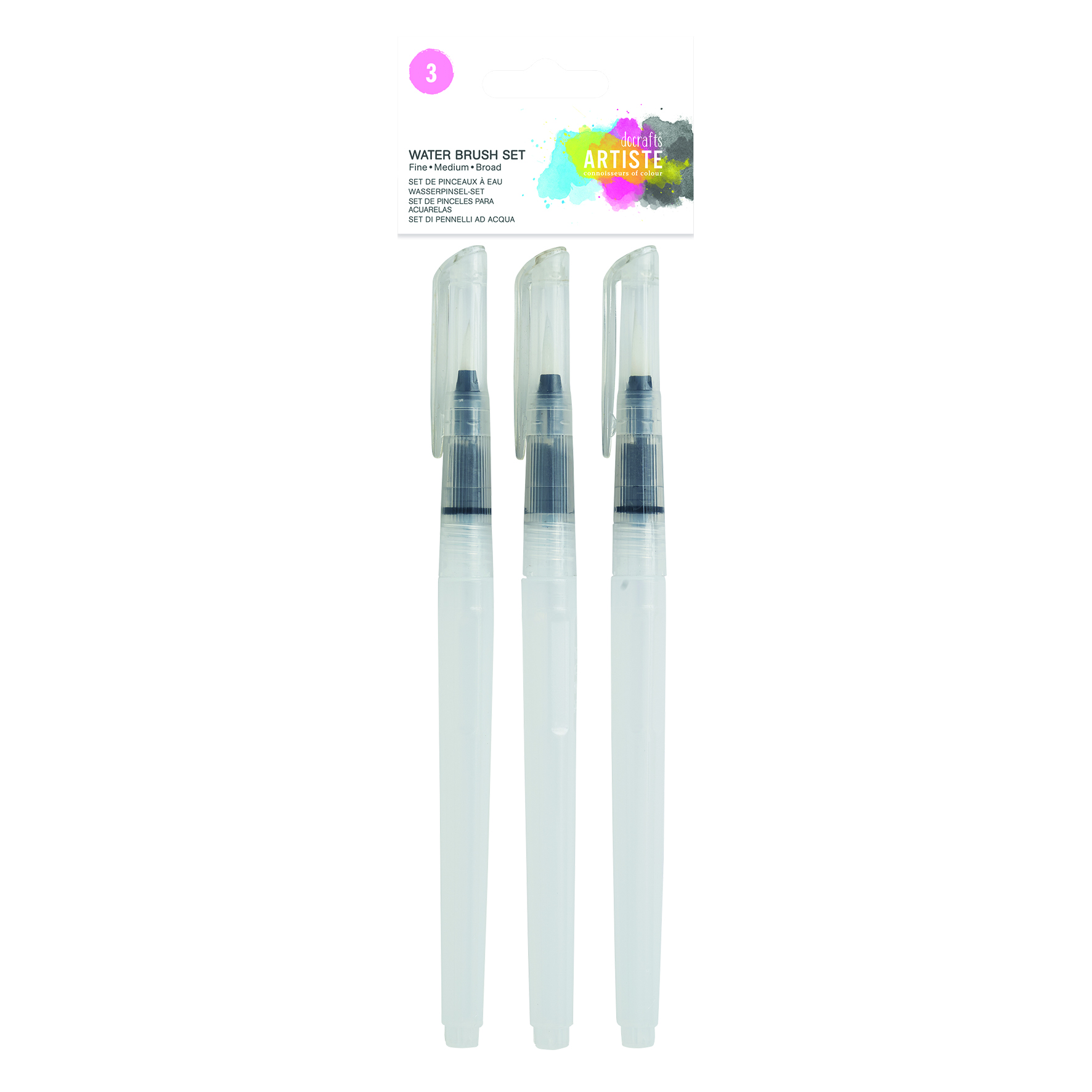
Why This Fits Their Persona: A portable option for students, classrooms and hobby artists who want to paint without carrying a separate water pot.
The three tip widths are clearly separated into fine, medium and broad, making the set easier to match to a technique.
Each brush has a refillable water reservoir and protective lid, with fine, medium and broad sizes in the pack.
For shoppers comparing creative options, browse the paintbrushes for acrylic paint range to compare pack formats, shapes and intended media.
We have compiled a complete, real-time list of products that fully satisfy these strict selection criteria and UK safety regulations.
Lifespan depends on bristle quality, paint type, frequency of use and cleaning. A brush may remain usable across multiple projects when paint is removed promptly, the head is reshaped and it is stored dry. Dried paint, prolonged soaking and solvent misuse can shorten its useful life.
Look for brushes specifically described for emulsion paint and walls or ceilings. Synthetic bristles are a common choice for water-based products. A set containing several widths is useful for cutting in, corners and smaller sections around trim.
Separate or paint-specific brushes can make application and cleaning more predictable. A mixed pack may contain brushes allocated to both emulsion and gloss, but always check the product details and follow the instructions on the paint tin before use.