
24/7 Customer Support

Free returns

Same-day & Next-day Delivery

Quality Guaranteed

Unlock Your Welcome Offers: FREE Delivery | Up to 80% OFF | Free 30-day JoyPlus trial
Download the APP
Buying paint and makeup brushes can seem straightforward until the first application leaves streaks, loose bristles or wasted product. The right brush depends on the formula, surface, finish and level of control required. A large powder brush will not deliver the precision of a foundation brush, just as a 4 inch paint brush is unsuitable for detailed woodwork.
This guide explains the practical specifications to check, common purchasing traps and a selection of brushes for different UK households, beauty routines and decorating tasks.
Marketing often presents a multipurpose brush as a complete solution. While some face brushes work with liquid, cream and powder products, the head shape and bristle density still affect the result. A densely packed face brush can buff foundation, whereas a softer, fuller head is more suitable for diffusing powder, bronzer or blush.
For decorating, paint type is equally important. Emulsion paint for walls and ceilings behaves differently from gloss paint, stain or varnish. A brush designed for one application may produce uneven coverage or be harder to control with another.
A bigger brush covers more area, but it is not automatically more efficient. A 4 inch paint brush can help cover broad surfaces, while a 2 inch paint brush offers better control around frames, skirting boards and smaller sections. A 3 inch paint brush sits between the two for general coverage.
For makeup, a large powder brush may be useful for cheeks and face powders but awkward around the nose and eyes. Foundation brushes with angled or bevelled edges can offer more precise application in these areas.
Even a well-constructed brush can deteriorate if it is left soaking, stored damp or allowed to dry with product in the bristles. Look for clear cleaning instructions and check whether the handle, ferrule and bristles suit your routine.
Makeup brushes should be cleaned regularly using a gentle cleanser, rinsed thoroughly and dried flat where instructed. Decorating brushes should be cleaned immediately after use according to the paint tin’s guidance.
For cosmetics, synthetic makeup brushes are practical for liquid, cream and powder formulas. Synthetic fibres are also easy to clean and can be suitable for users who prefer tools made without animal-derived materials. The Truyu Ultimate Face Brush, for example, uses synthetic fibres and is described as suitable for liquid, cream and powder products.
For decorating, synthetic bristle paint brushes can provide consistent application with many water-based paints. Check the product description rather than relying on the word “synthetic” alone, particularly when buying brushes for gloss paint, stain or varnish.
Bristle retention is another important consideration. Ferrules should hold the bristles securely, while product descriptions may specify features such as no-loss or no-bristle-loss construction. This helps reduce stray hairs in paint or makeup, although regular cleaning and correct storage remain essential.
A soft, rounded head can distribute powders and blushes gently, while a short, densely packed head is better suited to buffing liquid or cream foundation. Angled edges can improve control around facial contours.
For painting, tapered filaments can help produce a smoother edge and controlled release of paint. Flat, wider heads are useful for walls and larger panels, while smaller woodwork paint brushes are better for trim and narrow areas. Brushes for stain and varnish should be selected specifically for the coating and surface preparation required.
Brush width should match the job:
For longer projects, ergonomic paint brushes with shaped or comfort-grip handles can make the tool easier to hold. A comfortable handle does not replace correct technique, but it may offer better control during extended decorating sessions.
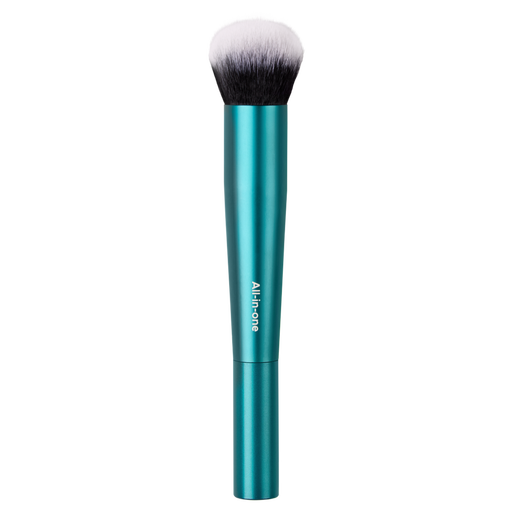
Why This Fits Their Persona: Its 3-in-1 design suits beginners building a compact makeup kit without immediately buying separate foundation, powder and buffing tools.
The product description clearly states compatibility with liquid, cream and powder formulas rather than relying only on a generic multipurpose label.
Dense synthetic bristles; supports buildable coverage and circular buffing motions.
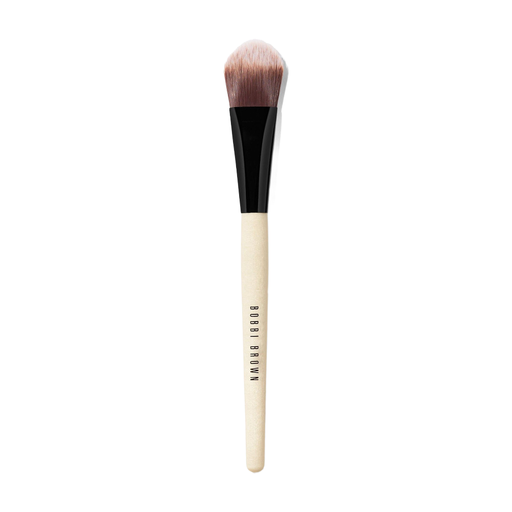
Why This Fits Their Persona: Makeup users who prioritise controlled base application may appreciate its angled, domed head and weighted handle.
The head shape and synthetic bristles are specified, helping you judge its suitability instead of buying based on vague finish claims.
Angled domed head; designed for cream and liquid foundation with a weighted handle.
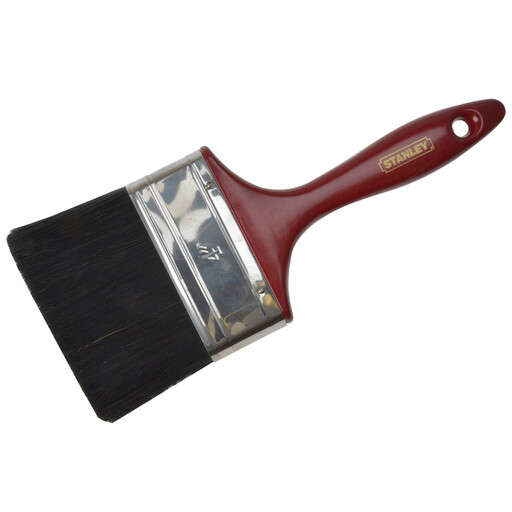
Why This Fits Their Persona: Suitable for DIY decorators tackling broad areas where a wider brush can distribute paint across large sections efficiently.
Its 100mm width is clearly stated, so buyers can match the tool to large surfaces rather than expecting a small brush to perform every task.
100mm coverage width; rust-resistant ferrule and shaped polypropylene handle.
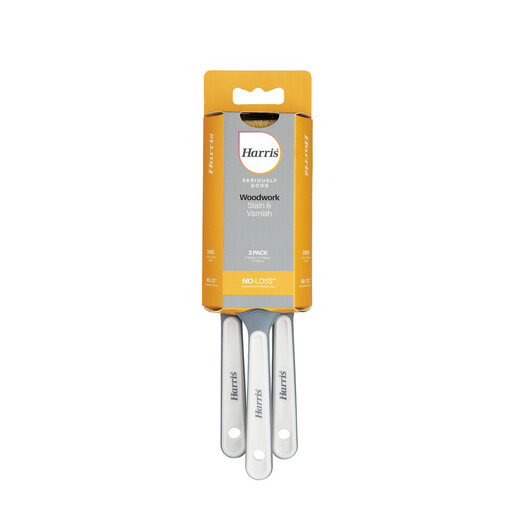
Why This Fits Their Persona: A practical match for homeowners working on banisters, doors, furniture and other flat wooden sections.
It is specifically described for stains and varnishes and includes three widths, avoiding the mismatch of using a general wall brush on woodwork.
Three sizes from 1 to 2 inches; synthetic bristles and soft-grip comfort handles.
We have compiled a complete, real-time list of products that fully satisfy these strict selection criteria and UK safety regulations.
A foundation brush with synthetic bristles is generally suited to liquid and cream formulas. A paddle-shaped head can spread product, while a densely packed rounded head can buff it into the skin. Apply a small amount first and build coverage gradually.
For broad sections, a 3 inch or 4 inch paint brush can cover more surface per stroke. A 2 inch brush may provide better control around edges and smaller areas. Many DIY paint brush sets combine sizes so you can switch tools during one project.
Clean makeup brushes regularly to remove product build-up and maintain hygiene. Clean decorating brushes immediately after painting, using the method specified for the paint. Do not leave either type damp or stored before it has dried properly.