
24/7 Customer Support

Free returns

Same-day & Next-day Delivery

Quality Guaranteed

Unlock Your Welcome Offers: FREE Delivery | Up to 80% OFF | Free 30-day JoyPlus trial
Download the APP
Choosing Pampers nappies is not simply a matter of picking the largest pack or the lowest price per nappy. Babies grow quickly, sleep patterns change and a nappy that works well during the day may not provide the fit you need overnight. The right option depends on your child’s weight, movement, skin needs and stage of development.
This guide explains the main buying pitfalls, the specifications worth checking and which Pampers baby nappies may suit different UK households.
Age recommendations are useful as a general guide, but babies of the same age can have very different body shapes. A nappy that is too large may leave gaps around the legs, while one that is too small can feel tight and become saturated quickly.
Use the weight range printed on the pack as your starting point. Also check the fit around the waist and thighs after fastening. You should be able to run a finger comfortably beneath the waistband without leaving large gaps.
Some Pampers Baby-Dry nappies and Pampers overnight nappies are designed with features such as absorbent cores, breathable materials, safety leg cuffs and rear leak barriers. These can support longer periods of dryness, but they do not replace regular checks or changes.
Wet or soiled nappies should be changed promptly. Children who drink more before bed, sleep for longer periods or move significantly during the night may need a particularly suitable fit rather than simply a larger size.
A jumbo pack may reduce how often you need to reorder, but the number of nappies per pack differs between sizes and ranges. Compare the cost per nappy, not only the shelf price. Remember that a cheaper pack is not economical if poor fit leads to frequent outfit or bedding changes.
Also check whether taped nappies, nappy pants and baby wipes are being compared like-for-like. Their prices and use cases are different.
Traditional taped nappies are often practical for newborns and younger babies who are changed while lying down. Nappy pants pull on like underwear and can be convenient for crawlers, walkers and wriggly toddlers.
For example, Pampers Baby-Dry Nappy Pants include a flexible waistband, tear-away sides and disposal tape. Pampers Premium Protection Nappy Pants similarly use a pull-on design and a 360° waistband. These features can make changes easier when your child will not stay still.
Look for:
Product descriptions may refer to an absorbent core, microbeads, micropores, an extra dry layer or a Stop & Protect Pocket. These are design features intended to draw moisture away from the surface and help contain leaks.
For night use, check whether the product is a conventional nappy or a pull-on style. Pampers Baby-Dry nappies are available in sizes including 4, 5, 5+, 6, 6+ and 8, while pack quantities vary. A larger size is not automatically more absorbent for every child; the fit remains essential.
If back leaks are a recurring issue, consider a design with a rear pocket or additional back protection. If leaks occur around the thighs, check the leg cuffs and whether the nappy is too loose or too full.
Parents seeking sensitive skin nappies may wish to check the ingredient and materials information on the product page and packaging. Several listed Pampers products are described as dermatologically tested, free from EU perfume allergens or certified to OEKO-TEX Standard 100. These statements describe product testing or material certification; they should not be treated as a guarantee that irritation cannot occur.
Pampers New Baby ranges include features such as a wetness indicator, soft materials and a navel-friendly shape on selected sizes. For newborns, check the size, fastening position and whether the front sits comfortably below the umbilical area.
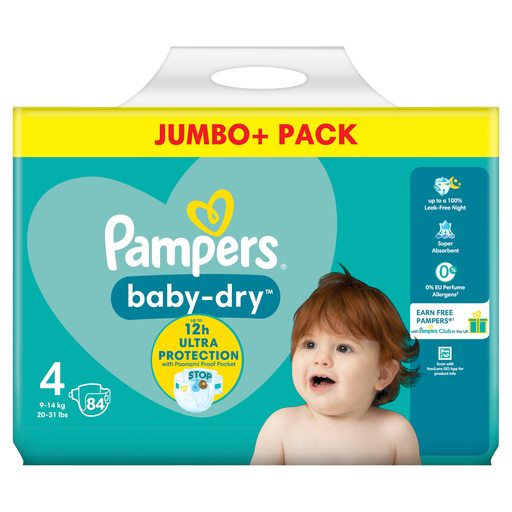
Why This Fits Their Persona: The 84-pack format can suit families looking to keep everyday nappies available for regular daytime and night-time changes.
It provides a clearly stated nappy count, helping you compare the unit cost instead of judging value from pack size alone.
Jumbo+ pack with 84 taped nappies; stretchy sides are designed to support movement.

Why This Fits Their Persona: A practical option for preparing a newborn changing station, particularly when a small initial pack is preferable before buying in bulk.
The Size 0 format and 24-pack reduce the risk of overbuying before you know which fit suits your newborn.
Includes a wetness indicator; the product description lists soft materials and a navel-friendly shape.
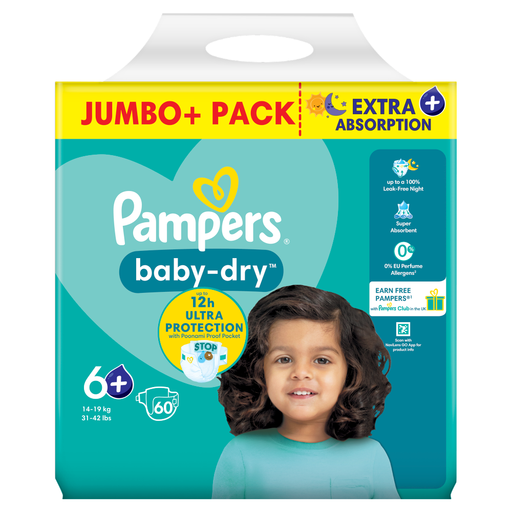
Why This Fits Their Persona: Suitable for families prioritising overnight use for a growing toddler and looking for a larger supply of taped nappies.
It combines a stated size range with a rear Stop & Protect Pocket and safety leg cuffs, so you can assess the design against your child’s usual leak points.
60-pack format; enhanced absorption, flexible side wings and a ComfortTouch cover are listed features.
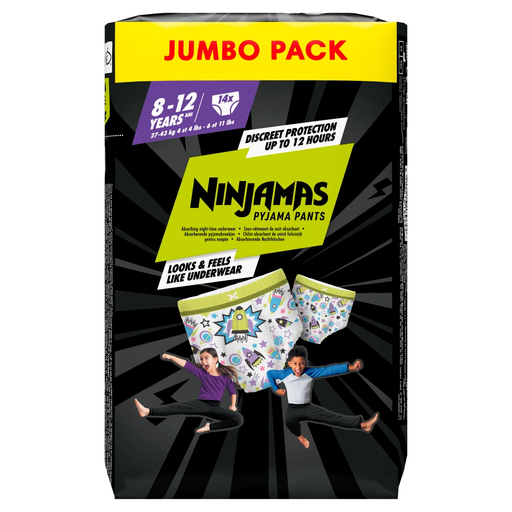
Why This Fits Their Persona: Designed for children aged four and above who need a discreet pull-on product for bedwetting or occasional night-time accidents.
It is a dedicated pyjama-pant format rather than a standard baby nappy, with a 360° belt and quiet-cloth design listed for night-time use.
Pull-on application; tear-away sides and instant-absorption technology are specified in the product details.
We have compiled a complete, real-time list of products that fully satisfy these strict selection criteria and UK safety regulations.
Pampers Newborn nappies in the New Baby Premium Protection range include Size 0 and Size 3 options in the supplied selection. Choose by your baby’s weight and check whether features such as a wetness indicator or navel-friendly shape are useful for your routine.
Pampers Baby-Dry nappies include features such as absorbent cores, flexible side wings, leg cuffs and, on selected products, a Stop & Protect Pocket. These features are intended to help with moisture management and containment, but regular checks and a correct fit remain important.
Not necessarily. Cost depends on the pack price, nappy count and how many changes your child needs. Calculate the price per nappy and consider convenience as a separate factor. Nappy pants may save time during changes for active children, while taped nappies can be more practical for younger babies.