Guests who chew ordinary foods
A plain pancake leaves room to offer toppings individually. Ask about preferences and allergies before putting seeds on anyone’s plate.


For older guests who chew ordinary foods, a plain pancake with seeds offered separately gives each person a choice. Do not add seeds for someone following IDDSI Level 7 Easy to Chew guidance: Cambridge University Hospitals NHS Foundation Trust advises avoiding pips and seeds. If a guest has a prescribed swallowing plan, check the entire prepared serving against their individual guidance rather than assuming that a soft-looking pancake is suitable.
A plain pancake leaves room to offer toppings individually. Ask about preferences and allergies before putting seeds on anyone’s plate.
Follow the person’s own texture guidance, not their age or the pancake’s appearance. Cambridge University Hospitals NHS Foundation Trust advises people following IDDSI Level 7 Easy to Chew guidance to avoid pips and seeds.
Check the exact pancake and every topping before serving. The M&S pancake listings include wheat, egg and milk ingredients; a seed topping may introduce another allergen, such as sesame.
Start with each guest’s texture and allergen requirements, then compare the prepared serving and portion—not just the name on the packet.
| Priority | What to check | Your needs |
|---|---|---|
| Texture | Check any individual swallowing plan. Assess the pancake after preparation and with its toppings; Cambridge University Hospitals NHS Foundation Trust says people following IDDSI Level 7 Easy to Chew guidance should avoid pips and seeds. | If I’m serving someone with a prescribed texture, the complete serving needs to match their individual guidance. A pancake that merely looks soft is not enough. |
| Ingredients | Read the current ingredient and allergen information for the exact pancake and each topping. Check how separate servings will be prepared if an allergy makes cross-contact a concern. | I want guests to know what is in their serving, especially if seeds, sesame or other toppings are offered separately. |
| Portion | Compare nutrition information using the same basis, such as per pancake or per serving. Include spreads and toppings when considering the final portion. | If portion size or particular ingredients matter to a guest, I need to compare what will actually go on their plate rather than rely on a product name or protein claim. |
| Serving choice | Check whether the pancake is plain or already filled, and follow its preparation instructions. A filled pancake offers less scope to change the serving for different guests. | I’d like to offer toppings individually rather than assume everyone wants the same texture or flavour. |
Older guests do not all have the same chewing or swallowing needs. Cambridge University Hospitals NHS Foundation Trust specifically advises avoiding pips and seeds for people following IDDSI Level 7 Easy to Chew guidance.
Ask about any individual swallowing or texture plan before choosing food for that guest. Do not treat an ordinary pancake, with or without seeds, as suitable for a prescribed diet without checking the prepared serving.
A separate topping still changes what is served and can introduce an allergen. The M&S pancake examples contain wheat, egg and milk ingredients; the exact product and toppings need their own checks.
Read the current packaging for every item and take account of cross-contact when preparing food for a guest with an allergy.
Sainsbury’s lists 7g of protein per two Warburtons Blueberry Protein Pancakes. That figure does not describe the whole serving with toppings or establish whether its ingredients and texture suit a particular guest.
Compare the stated serving size, nutrition information and ingredients alongside the way you intend to serve the pancakes.
Waitrose lists pancakes and waffles separately from seeded bread in its bakery navigation. A seeded loaf does not answer a request for a seeded pancake.
Check the exact product name and ingredients before choosing a bakery item for this afternoon tea.
These listings illustrate different product and label checks; they do not imply that the brands sell a specifically seeded pancake.
M&S Food lists Sweet Pancakes and 4 Buttermilk Pancakes with ingredient, allergen and nutrition information.
Sainsbury’s lists Warburtons Blueberry Protein Pancakes, a filled-flavour alternative to a plain pancake.
Waitrose’s bakery navigation separates pancakes and waffles from seeded breads.
These Joybuy options are filled dorayaki and plain pancakes, rather than a selection of specifically seeded pancakes. Compare the type of pancake and how you would serve it; none should be assumed suitable for a guest with a prescribed swallowing diet.
 Image unavailable
This dorayaki has a sweet adzuki bean filling, so it is a different choice from a plain pancake that guests can top individually. Check its current ingredients, allergen information and texture before serving.
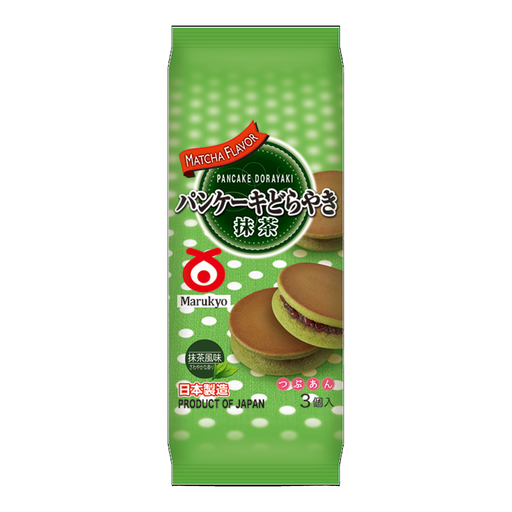 Image unavailable
The matcha-flavour dorayaki is a filled option rather than a plain base for separate toppings. Check the pack for its ingredients and allergen information, and assess the complete serving against any guest’s texture requirements.
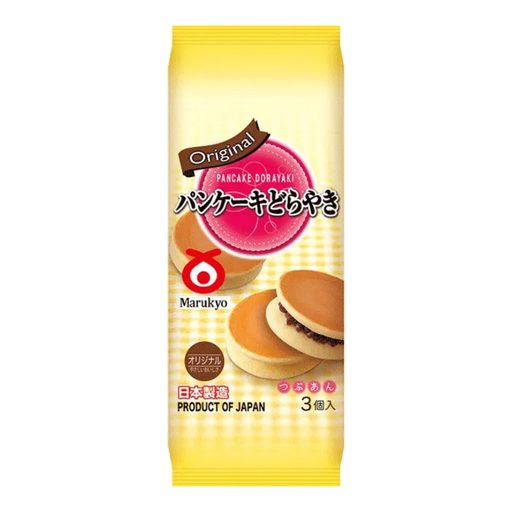 Image unavailable
This dorayaki is another filled pancake option, not a plain pancake for individually chosen toppings. Check the exact pack for filling ingredients, allergens and nutrition information before serving it.
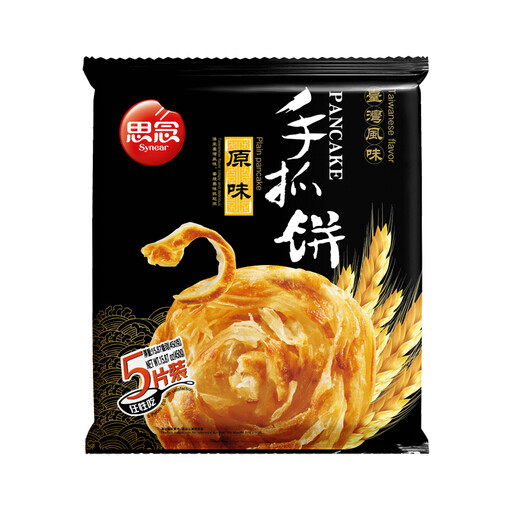 Image unavailable
A plain pancake leaves the choice of toppings to the host and guests. Check its preparation instructions and the texture after cooking: a plain name alone does not establish that it meets an individual swallowing plan or allergy requirement.
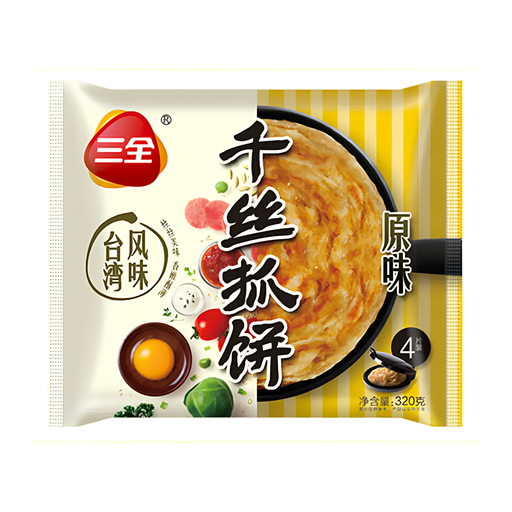 Image unavailable
This original-flavour pancake can be considered when toppings will be chosen separately. Follow the pack’s preparation directions, then check its finished texture and current ingredient information for the guests you are serving.
No. Age alone does not determine what someone can chew or swallow. Cambridge University Hospitals NHS Foundation Trust advises avoiding pips and seeds for people following IDDSI Level 7 Easy to Chew guidance; follow any guest’s individual swallowing instructions for the whole prepared serving.
Check the current ingredient and allergen information for the exact pancake and every topping, including any seeds. The listed M&S pancake examples contain wheat, egg and milk ingredients, while the Sainsbury’s Warburtons blueberry example also lists soya. Sesame may be relevant if it is used as a topping.
Read the current product label as well. M&S Food advises customers that formulations and product information can change, so its website listing should not replace a check of the pack being served.
For guests who can eat ordinary textures, a plain pancake with toppings offered separately lets each person choose. Keep allergens and cross-contact in mind; for someone with a prescribed swallowing plan, check whether the complete prepared serving meets their individual guidance before offering it.