What to check before buying
Start with the serving method and the guest’s individual requirements, then choose the pancake format and toppings that fit the occasion.
| Priority |
What to check |
Your needs |
| Easy warming and serving texture |
Check the stated warming method; avoid overcooking; serve promptly if the pancake can dry at the edges. |
I want a relaxed afternoon tea with minimal preparation and a tender pancake for guests with ordinary eating and chewing ability. |
| Variety across the spread |
Compare nutrition per pancake and per 100g; choose a plain base if you want control over toppings; consider the full serving, not just the pancake. |
I would rather offer pancakes as one part of the table, with fruit or yoghurt where suitable, than rely on a rich flavoured pancake as the whole snack. |
| Allergens and ingredients |
Read the current physical pack; check highlighted allergens and precautionary statements; confirm the exact item, not just the product type. |
I need item-specific information when a guest avoids wheat or gluten, egg, milk or another relevant ingredient. |
| Prescribed texture requirements |
Follow the guest’s current IDDSI level or clinical advice; assess toppings and mixed textures separately; do not rely on words such as “fluffy”. |
If a guest has chewing or swallowing difficulty, I need food prepared for their individual texture plan rather than an ordinary retail pancake. |
Joybuy product options
Joybuy product options for an occasional afternoon tea where a frozen, small sweet pancake is suitable for the planned serving.
 No image available
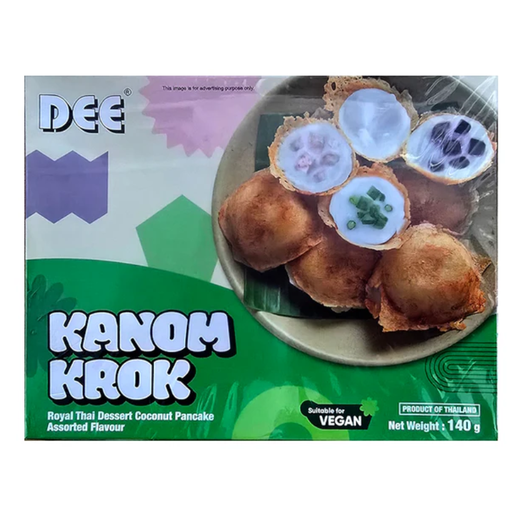
Dee Frozen Royal Thai Coconut Pancake Assorted 140g
A frozen, bite-sized coconut and taro pancake for a small shared sweet serving.
Keep frozen at -18°C or below. Do not refreeze after thawing, and consume immediately after opening.
The pancake is described as crisp outside with a soft interior, so it should not be assumed suitable for an individual dysphagia or IDDSI texture plan.
Check the current pack for ingredients, allergens and precautionary statements before serving.
View on Joybuy
Frequently asked questions
Are ordinary packaged pancakes suitable for someone with dysphagia or a texture-modified diet?
Not automatically. “Fluffy” or “soft” is not confirmation that a food meets an IDDSI level; follow the person’s current clinician or speech-and-language therapist advice and the relevant testing method before serving.
Can I assume buttermilk pancakes are free from common allergens?
No. The Waitrose buttermilk pancake listing includes wheat, egg and dried buttermilk, while the M&S product lists wheat flour, buttermilk and egg. Check the current physical pack for the exact item because recipes and allergen information can change.
How can pancakes fit into a more balanced afternoon tea?
Serve pancakes as one part of the spread rather than the whole snack. The NHS Eatwell Guide advises variety across food groups and smaller, less frequent portions of foods high in fat, salt and sugar; fruit and yoghurt can be practical additions where suitable for the guest.
Can ready-made pancakes be frozen for later afternoon-tea visits?
Some can, but follow item-specific storage instructions. Waitrose and M&S state that their buttermilk pancakes are suitable for freezing; Waitrose instructs shoppers to freeze before the best-before date, use within one month, defrost fully and not refreeze after defrosting.
Does UK law require allergen information for prepacked-for-direct-sale foods?
Yes. In England, Wales and Northern Ireland, businesses producing prepacked-for-direct-sale food must provide the food name and a full ingredients list with allergenic ingredients emphasised. Review the individual item’s label for the particular guest.


