Households sharing a weekday lunch
Count the eaters before choosing a pack, then plan the other foods that will make up lunch rather than relying on pancakes alone.


For a shared lunch, choose a pack count that fits the group and plan what else you will serve; the NHS Eatwell Guide considers the balance of foods over a day or week, not a single meal in isolation. If you choose higher-protein pancakes, compare nutrition per pancake rather than relying on the pack wording, and check the current label for anyone with a dietary restriction.
Count the eaters before choosing a pack, then plan the other foods that will make up lunch rather than relying on pancakes alone.
Look at protein per pancake alongside sugars, salt and fibre. Similar pack wording does not mean the nutrition panels are the same.
Check the current label of the exact product before serving it. A gluten-free listing, for example, does not make other pancakes suitable for someone avoiding gluten.
Decide how the pancakes will fit into lunch, then compare the serving count and label details of packs that suit the group.
Consider when: Four people will each have a pancake and you want to compare declared protein per serving.
Keep in mind: Waitrose and Sainsbury's four-serving examples have different sugar declarations, so protein wording alone cannot settle the choice.
Consider when: Six pancakes better match your planned portions; Tesco lists six-pack Scotch and banana pancakes.
Keep in mind: The number in the pack says nothing about its nutrition or how it fits with the rest of lunch.
Consider when: Someone in the group needs to avoid gluten; Sainsbury's lists gluten-free Scotch pancakes.
Keep in mind: Check the exact pack's current ingredients and allergen information rather than assuming every pancake in a range has the same formulation.
| Priority | What to check | Your needs |
|---|---|---|
| The rest of lunch | Plan the other foods you will serve with the pancakes. The NHS Eatwell Guide considers the balance of food groups over a day or week. | I want pancakes to be one part of our lunch, with fruit or vegetables and another suitable food alongside them. |
| Nutrition per pancake | Compare protein, sugars, salt and fibre on the same per-pancake basis. Waitrose declares 10.4g protein and 2.8g sugars per pancake; Sainsbury's declares 8.3g and 8.5g respectively for its four-serving high-protein pack. | If I choose a higher-protein pack, I want to see what each person's pancake contributes, not judge it by the front of the pack. |
| Pack count | Count the pancakes and check the stated servings. Tesco lists six- and eight-pack options; Waitrose and Sainsbury's higher-protein examples state four servings. | There should be enough for our planned portions without assuming the pancakes are the whole meal. |
| Allergens | Read the current ingredients, allergen information and any precautionary statements for the exact pack. Check specifically labelled options when someone needs to avoid gluten. | I need to know that the food is suitable for everyone who will share it. |
| Leftovers | Check storage instructions, the period for use after opening and whether the pack permits home freezing. | If we will not finish the pack at lunch, I want a workable plan for the remaining pancakes. |
Pancake count helps with portions, but it does not tell you how the meal fits into your wider eating pattern.
Plan the other lunch foods before deciding how many pancakes each person needs. The NHS Eatwell Guide describes balance across a day or week.
Waitrose and Sainsbury's high-protein pancakes declare different amounts of protein and sugars per pancake.
Compare the per-pancake figures for protein, sugars, salt and fibre, then consider what else you will serve.
Unused pancakes still need to be stored and used according to the instructions on their pack.
Before buying, check the directions for use after opening and freezing if you expect leftovers.
A larger pack can mean extra storage planning or unused food.
A flavour or pack size that works for some eaters does not answer another person's allergen or dietary needs.
Ask about restrictions first and read the current label of the exact pack before sharing.
These retailer examples show why pack count and nutrition are worth checking product by product; they do not describe every pancake in a retailer's range.
Its High Protein Pancakes are a four-serving option for a group planning one pancake each.
Its pancake listing includes standard, gluten-free and higher-protein choices.
Its limited-edition maple-flavour protein pancakes come in a four-pancake pack.
Its pancake listing includes different counts for groups planning their portions.
Its six Buttermilk Pancakes come in a 240g pack.
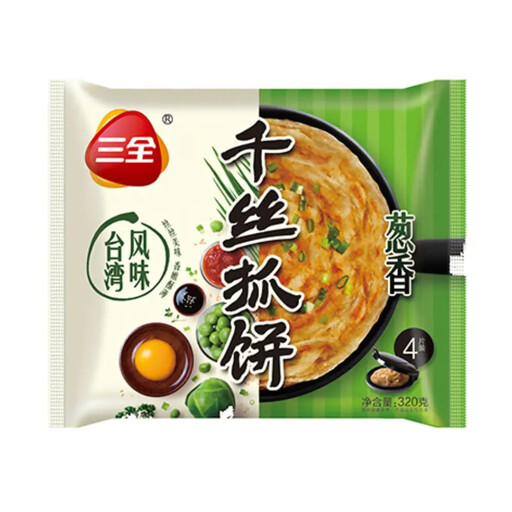
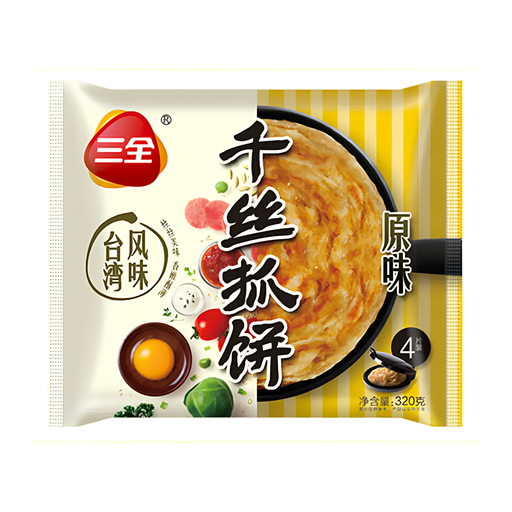
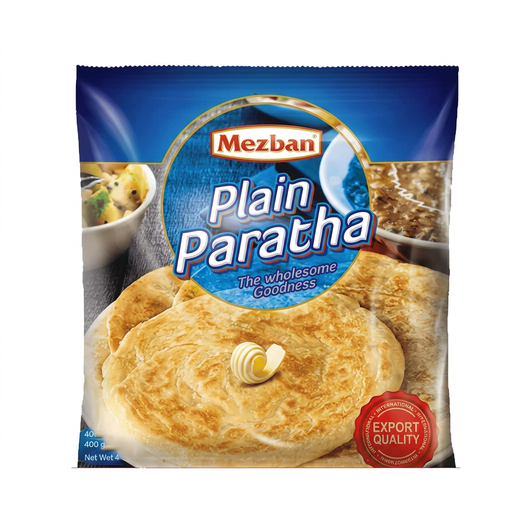
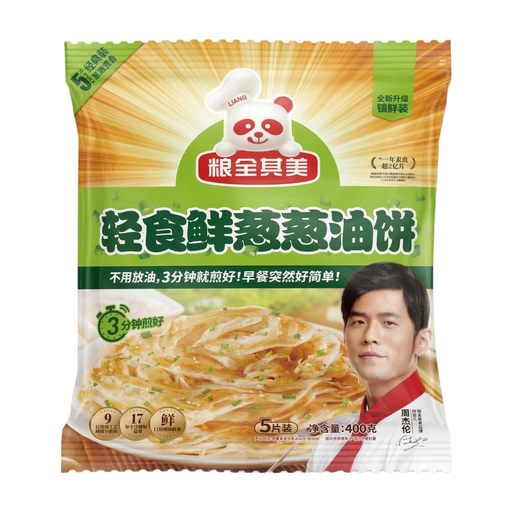
These Joybuy options include spring onion and original-flavour pancakes, plus plain and chive parathas as alternative flatbread bases. Match the pack to your group and check its current label when planning the rest of lunch.
 No image available
Consider the spring onion flavour if you want a savoury pancake alongside other lunch foods. The pack is 320g; check its serving and allergen information before sharing.
 No image available
For a shared lunch built around an original-flavour pancake, decide on portions and other foods before buying. This is a 320g pack; check its current nutrition and allergen label.
 No image available
This plain paratha is an alternative flatbread for a larger shared lunch. The pack contains 20 pieces and weighs 1600g; plan for leftovers and check the pack's nutrition, allergen and storage information.
 No image available
The five-piece chive pack offers another savoury option for a small group. Check the current nutrition, allergen and preparation instructions, and decide what else to serve with it.
Yes, pancakes can be one part of lunch. The NHS Eatwell Guide considers the balance of food groups over a day or week, so plan the pancakes alongside other foods, such as fruit or vegetables and a suitable protein food, rather than judging the meal by the pancake pack alone.
No. Waitrose & Partners declares 10.4g protein and 2.8g sugars per pancake for its High Protein Pancakes, while Sainsbury's declares 8.3g protein and 8.5g sugars for its four-serving product. Compare the full per-pancake panel and the portions you plan to serve.
Start with the number of people and the portions you plan alongside the rest of lunch. Four-serving higher-protein packs and standard six- or eight-pancake packs offer different counts; if any will remain, check the exact pack's storage and use-after-opening instructions.
Check the current ingredient list, allergen information and any precautionary statements on the exact pack before serving. Do not assume that another pancake from the same retailer, or an ordinary pancake beside a gluten-free listing, has the same ingredients.