
24/7 Customer Support

Free returns

Same-day & Next-day Delivery

Quality Guaranteed

Unlock Your Welcome Offers: FREE Delivery | Up to 80% OFF | Free 30-day JoyPlus trial
Download the APP
Whether you are preparing chicken katsu, crispy fish, crumbed prawns or a quick family dinner, panko breadcrumbs can create a lighter, more textured coating than many fine breadcrumbs. However, pack size and phrases such as “extra crispy” do not tell the whole story. The right choice depends on crumb structure, ingredients, storage and how you plan to cook.
This guide explains the practical details UK shoppers should check before buying Japanese panko breadcrumbs, breadcrumbs for chicken katsu or convenient breaded foods.
Panko is a dry breadcrumb used to coat food or add a crunchy topping. A tempura batter mix is a flour-based powder that must be mixed with cold water to create a batter. They produce different textures:
For Japanese-style cooking, panko is suitable for tonkatsu, chicken katsu, fish fillets and crumbed prawns, while tempura mix is more appropriate for vegetables and seafood dipped in batter.
A 1kg bag may suit meal planners, larger households or foodservice buyers, but breadcrumbs can lose their crisp texture if exposed to humidity. Look for a resealable pack or transfer the contents to an airtight container after opening.
Store dry panko in a cool, dry cupboard unless the packaging states otherwise. Check the best-before date and avoid using breadcrumbs that show signs of mould, unusual odour or persistent moisture-related clumping.
Many panko products contain wheat or gluten, and some contain soya. Coated frozen foods may also include crustaceans, molluscs, egg or milk depending on the recipe. Always read the current ingredient and allergen information on the pack, particularly when cooking for guests.
If gluten-free cooking is required, a rice- or gram-flour-based alternative may be more suitable, but it may not provide exactly the same flaky structure as Japanese-style panko.
Panko generally consists of larger, more irregular flakes than conventional fine breadcrumbs. This creates more surface texture and allows air pockets between the crumb pieces. For chicken katsu or fish, medium-to-large flakes can provide a noticeable crunch. Finer crumbs may be easier to use on small vegetables, meatballs or casserole toppings.
Do not judge solely by the front-of-pack description. Check the ingredients and, where available, product images showing the crumb size.
A simple panko recipe may contain wheat flour, water, yeast and salt, while other products may include sugar, oil, emulsifiers or flavouring ingredients. For example, Lobo Panko Bread Crumbs lists wheat flour, water, yeast, salt, soya lecithin and vitamin C, and advises that it may contain traces of nuts and sesame.
Check whether the product is:
For occasional cooking, a 200g pack can reduce cupboard waste. A 1kg pack may offer better convenience for regular katsu, catering, batch cooking or family meals, provided it can be kept dry.
Panko can be fried, oven-baked or used in an air fryer. When baking, lightly brushing or spraying the coating with oil can help it brown, although results depend on the food, appliance and cooking temperature. Always cook meat, fish and seafood thoroughly according to the product instructions.
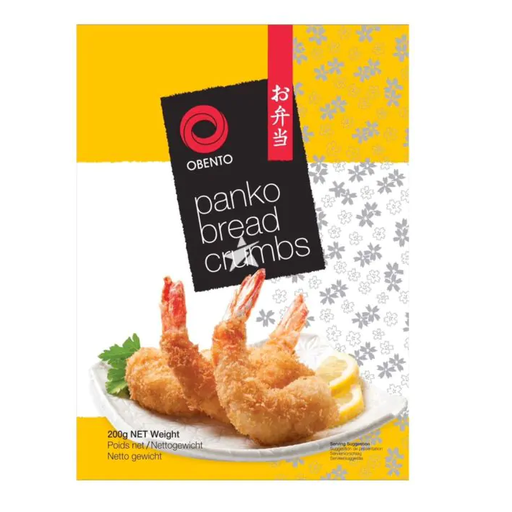
Why This Fits Their Persona: The 200g pack is a practical starting point for UK home cooks trying chicken katsu, crispy breadcrumbs or small-batch fish recipes without committing to a larger quantity.
The pack size limits waste, while the ingredient list clearly identifies wheat and the product’s dry storage requirements.
Ready to use; suitable for coatings and toppings; made in South Korea.
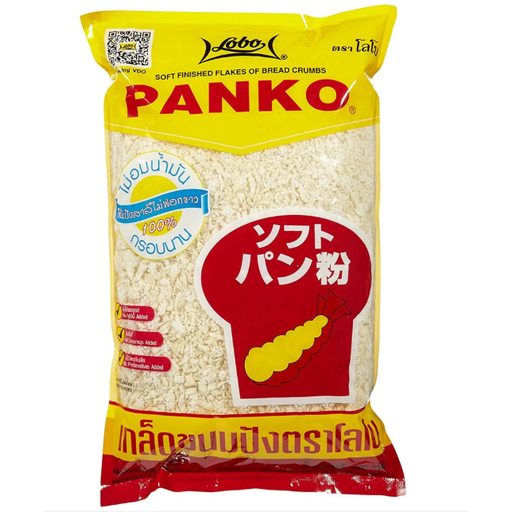
Why This Fits Their Persona: Regular cooks who prepare katsu, breaded vegetables, fish or baked toppings can use the larger pack across several recipes.
The resealable 1kg format is designed for repeat use, reducing the need to buy multiple small bags, provided it is kept airtight and dry.
1kg quantity; suitable for frying or baking; contains wheat and soya.
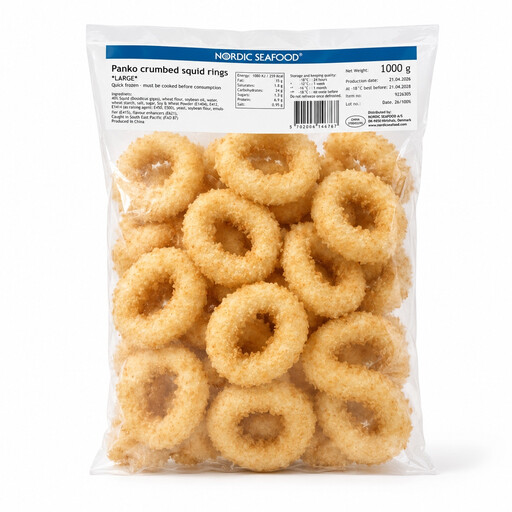
Why This Fits Their Persona: Busy households and foodservice buyers can cook panko squid rings straight from frozen in an oven or air fryer for sharing plates and quick meals.
The product is clearly labelled as frozen and requires cooking from frozen, helping shoppers distinguish it from dry panko for home breading.
1kg pack; oven and air-fryer preparation; approximately 21–30 rings per kilogram.
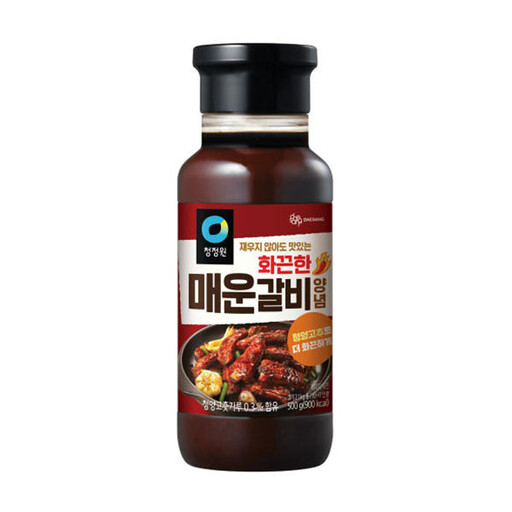
Why This Fits Their Persona: Shoppers building an Asian cooking ingredients cupboard can pair Korean-style marinated meat with panko-coated sides or crispy vegetables.
The pack provides clear usage, allergen and storage instructions, including wheat and soya information and refrigeration after opening.
500g format; suitable for marinating, baking, grilling or stir-frying; made in South Korea.
We have compiled a complete, real-time list of products that fully satisfy these strict selection criteria and UK safety regulations.
For a lighter option, Morrisons Free From Breadcrumbs uses rice flour and gram flour and is listed as gluten-free, vegan and vegetarian. It is a different style of crumb, so compare the expected texture with your recipe before substituting.
Most panko breadcrumbs are made with wheat flour and contain gluten. Check the allergen declaration on the specific pack. A gluten-free breadcrumb alternative may use rice flour, gram flour or maize starch instead.
Yes. Panko can be used for air-fried chicken, fish, vegetables and other coated foods. A small amount of oil may help browning, but follow the recipe and appliance guidance. Frozen breaded products should be cooked according to their packaging instructions.
The practical lifespan depends on the best-before date and storage conditions. Keep the bag sealed or use an airtight container in a cool, dry cupboard. Discard the product if it develops mould, an unusual smell or damp clumps.