
24/7 Customer Support

Free returns

Same-day & Next-day Delivery

Quality Guaranteed

Unlock Your Welcome Offers: FREE Delivery | Up to 80% OFF | Free 30-day JoyPlus trial
Download the APP
A well-stocked pantry is the foundation of any home kitchen, saving you from last-minute trips to the shops and empowering you to cook a variety of delicious, healthy meals. However, navigating the world of online grocery shopping can be tricky. With so many options, it's easy to fall into common traps that lead to wasted food and money. As a Joybuy Product Recommendation Officer, my role is to help you see past the marketing jargon and make informed choices.
This guide will walk you through the most common pitfalls when buying pantry staples and highlight the key factors to consider, ensuring your cupboards are filled with ingredients that are both high-quality and cost-effective.
Before you click 'add to basket', be aware of these frequent mistakes many UK shoppers make:
bulk food UK can seem like a great way to save money, but it often backfires. Buying oversized bags of nuts, seeds or spices that you don't use frequently can lead to them going stale or rancid, wasting both food and money.cooking ingredients like rice or lentils, which are far more economical in larger, thoughtfully chosen sizes.To avoid these traps, focus on a few key details that reveal the true value of a product.
Ignore the front-of-pack slogans and go straight to the nutritional table. The per 100g column is the most reliable way to compare products. Pay close attention to:
high fibre foods like whole grains, seeds and legumes, a higher number here is generally a good sign of a less processed, more wholesome product.Before buying a large bag of anything, be realistic about how quickly you will use it. Check the best before date and consider your storage space. For items with a shorter shelf life, like nuts and seeds which can lose their freshness, a smaller pack might be a smarter choice. For true staples that you use weekly, like basmati rice or canned goods, buying in larger quantities or multi-packs makes financial sense.
For core ingredients, simplicity is often a sign of quality. Look for products with a short ingredient list.
basmati rice or lentils should ideally contain just that—100% rice or lentils. This is a key indicator for authentic plant-based protein sources.Asian spices, check if they are pure ground spices or a blend. Blends can be convenient but may contain added salt, flour or other fillers.To help you apply these principles, here are a few recommendations tailored to different needs and lifestyles.
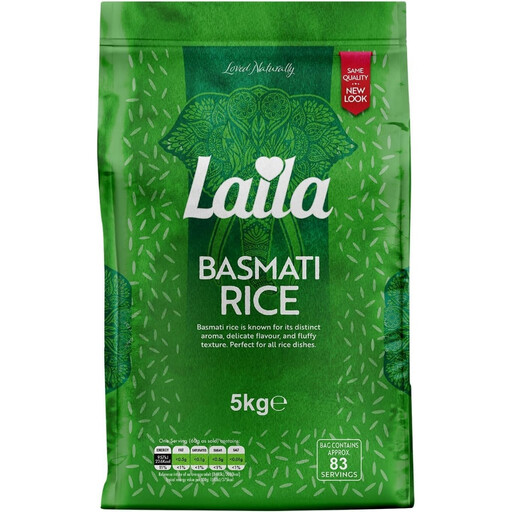
Why This Fits Their Persona: For households that regularly cook South Asian or other rice-based dishes, this 5kg bag is a kitchen workhorse. It provides the authentic, fragrant long grains needed for perfect biryanis and pilaus, ensuring you never run out mid-week.
This is a prime example of smart bulk buying. Instead of paying a premium for small 500g boxes, this larger pack offers excellent value for a genuine staple, avoiding the trap of overpaying for basic ingredients.
Contains 100% pure basmati rice, ensuring consistent quality, aroma and a fluffy, non-sticky texture for authentic cooking results.
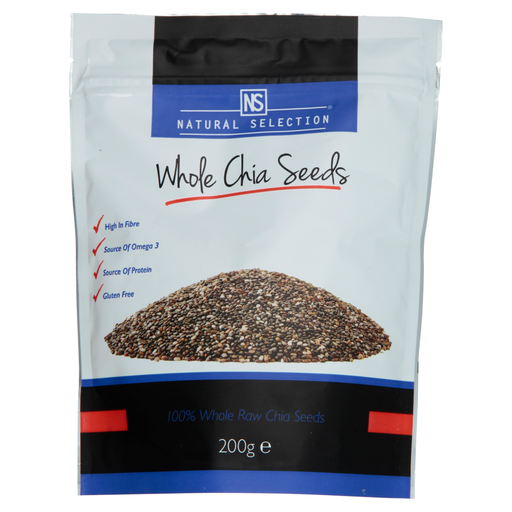
Why This Fits Their Persona: Ideal for anyone looking to boost the nutritional content of their meals. These seeds are perfect for adding to breakfast bowls, smoothies or homemade energy bars for a sustained release of energy.
This product cuts through the "healthy snack" illusion. The ingredient list is simply "100% Whole Chia Seeds," and the nutritional table confirms it's a high-fibre, low-sugar food, not a processed snack masquerading as healthy.
A versatile source of fibre (34g per 100g), protein and omega-3 fatty acids. The 200g pack is a practical size to ensure freshness.
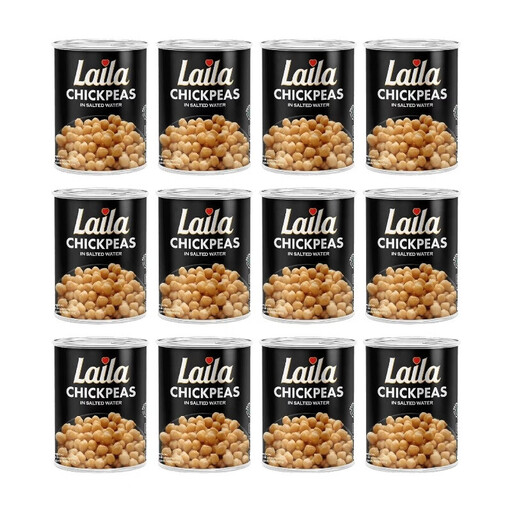
Why This Fits Their Persona: For anyone relying on plant-based protein, convenience is key. This multi-pack of ready-to-use chickpeas is perfect for quickly adding protein and fibre to salads, curries and homemade hummus without the need for soaking and long cooking times.
This avoids the false economy of buying a huge bag of dried chickpeas that might sit unused. The pre-portioned cans ensure no food waste, and their long shelf life makes them a reliable pantry staple.
A convenient source of plant-based protein and fibre. The ingredients are simple: chickpeas, water and salt. Draining and rinsing can reduce the sodium content.
We have compiled a complete, real-time list of products that fully satisfy these strict selection criteria and UK safety regulations.
Proper storage is crucial for maintaining the quality of your pantry staples. For dry goods like rice, flour and pulses, transfer them from their original packaging into airtight containers. Store them in a cool, dark and dry cupboard. Nuts and seeds are high in oils and can go rancid; for maximum freshness, store them in an airtight container in the refrigerator or even the freezer if you've bought a large quantity. Spices should also be kept in airtight containers away from heat and light to preserve their flavour.
Canned chickpeas are a very nutritious option and offer great convenience. Their protein, fibre and mineral content is largely comparable to that of dried chickpeas once cooked. The main difference is that canned varieties often contain added salt. You can easily mitigate this by choosing low-sodium versions or by thoroughly draining and rinsing the chickpeas before use, which can remove a significant portion of the salt.
If you're starting to explore South Asian cooking, a few core spices will form the flavour base for countless dishes. We recommend starting with: