
24/7 Customer Support

Free returns

Same-day & Next-day Delivery

Quality Guaranteed

Unlock Your Welcome Offers: FREE Delivery | Up to 80% OFF | Free 30-day JoyPlus trial
Download the APP
As a Product Recommendation Officer, I see how easy it is for UK shoppers to get lost in the aisles—both physical and virtual. Stocking up on pantry staples should be straightforward, but marketing claims and confusing labels can lead to purchases that don't meet your needs. Before you fill your basket, let's look at the common pitfalls that can affect your budget and your breakfast.
By learning to look past the marketing, you can make better choices for your household's cupboard essentials.
To ensure you're getting value and quality, focus on these three practical checks. They empower you to compare products accurately, whether you're doing your online grocery UK shop or browsing in-store.
The "per serving" information can vary wildly between brands. The only reliable way to compare two different types of granola or porridge oats is by looking at the nutritional values per 100g. This gives you a direct, like-for-like comparison of sugar, salt, fat and fibre content, allowing you to make an informed decision based on facts, not marketing.
Ingredients are listed in order of quantity, from highest to lowest. For products like breakfast cereals and healthy snacks, you want to see ingredients like "wholegrain oats" or "wholewheat flour" at the very top of the list. If sugar, syrup or glucose is one of the first three ingredients, it's a clear sign that the product is high in sugar, regardless of any health claims on the front of the box.
Fibre and protein are what help you feel full and provide sustained energy. When choosing cupboard essentials, look for higher fibre content (aim for over 6g per 100g in cereals) and a good source of protein. This is especially important for breakfast items to help you avoid mid-morning snacking. Products with a solid base of porridge oats are often a reliable choice.
Here are a few recommendations from our catalogue, matched to different household needs and preferences.

Why This Fits Their Persona: For those with a packed schedule, these sachets offer a warm, high-protein breakfast in under three minutes. The individual portions are perfect for taking to the office, ensuring a substantial start to the day without any morning fuss.
It directly counters the "portion size illusion" by providing pre-measured sachets with clear nutritional information. The focus is on protein (22g per 100g), avoiding the empty calories of sugary cereals.
Made with 100% wholegrain oats and provides 9g of protein per serving. Extremely convenient for a quick, filling breakfast.

Why This Fits Their Persona: This large 2kg pack offers excellent value for families. As it's 100% organic wholegrain oats, it provides a pure, versatile base for a nutritious breakfast, allowing full control over any added toppings like fruit or seeds.
It completely sidesteps the "healthy halo" trap as it contains no added sugar, salt or flavourings. You get exactly what is on the label: pure organic oats. This avoids the false economy of buying smaller, flavoured oat products.
100% organic wholegrain rolled oats. Excellent value in a large format and provides a blank canvas for healthy, customisable breakfasts.
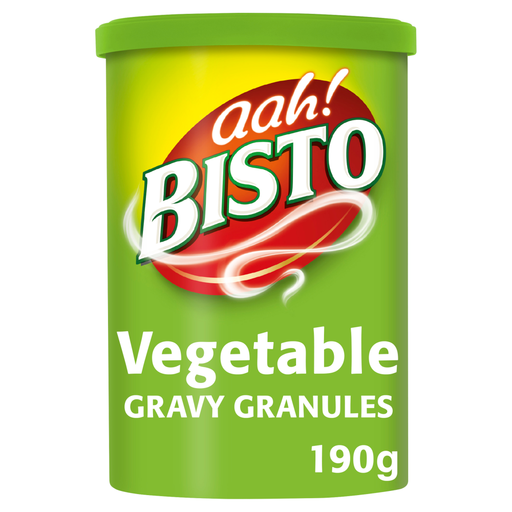
Why This Fits Their Persona: Beyond breakfast, a well-stocked pantry needs savoury staples. This **instant gravy** is a versatile essential for anyone who enjoys making roasts, pies or simply wants a quick, flavourful sauce for a midweek meal. It's a reliable classic for a reason.
This product avoids the trap of buying expensive, single-use sauce sachets. A multi-serving tub offers better value and flexibility, reducing both cost and packaging waste over time.
Quick and easy to prepare, just by adding boiling water. It's suitable for vegetarians but also works well with meat dishes, making it a flexible staple.
We have compiled a complete, real-time list of products that fully satisfy these strict selection criteria and UK safety regulations.
1. How can I make porridge oats more interesting without adding lots of sugar? Plain porridge oats are a fantastic base. Instead of sugar or syrup, try adding a spoonful of nut butter for protein and healthy fats, fresh or frozen berries for natural sweetness and vitamins or a sprinkle of seeds (like chia or flax) for extra fibre and texture. A dash of cinnamon or nutmeg can also add flavour without any sugar.
2. What is the main difference between granola and muesli? The key difference is how they are prepared. Granola is typically baked with a sweetener (like honey or syrup) and oil, which gives it a crunchy, clustered texture. Muesli is usually a raw mix of rolled oats, nuts, seeds and dried fruit. As a result, granola often has a higher sugar and fat content than muesli, but its crunchy texture is very popular.
3. How should I store pantry staples like oats and crackers to keep them fresh? Once opened, the key to freshness is to limit exposure to air and moisture. Transfer products like porridge oats, granola and crackers from their original boxes into airtight containers. Store them in a cool, dark and dry cupboard. This prevents them from going stale or soft and helps them last until their best-before date.