
24/7 Customer Support

Free returns

Same-day & Next-day Delivery

Quality Guaranteed

Unlock Your Welcome Offers: FREE Delivery | Up to 80% OFF | Free 30-day JoyPlus trial
Download the APP
A well-stocked pantry is the foundation of any organised kitchen. It saves you from last-minute trips to the shops, simplifies meal planning and ensures you always have something on hand for a quick breakfast or a healthy snack. However, with the convenience of online grocery shopping in the UK comes a new set of challenges. It's easy to fall for marketing hype or make choices that don't offer the best value.
As a Joybuy Product Recommendation Officer, my role is to help you navigate the market. Before you fill your virtual basket, let's look at the common pitfalls that UK shoppers encounter and how to stock your food cupboard essentials with confidence.
The 3 Most Common Pantry Shopping Pitfalls:
To ensure you're getting quality and value, focus on these core parameters. They are the non-negotiable checks that cut through the marketing jargon and empower you to make better choices for your household.
The front of the pack tells a story; the back tells the facts. When buying anything from breakfast cereals to healthy snacks, make it a habit to read the full ingredients list.
True value isn't just about the sticker price; it's about the price per unit. Most online retailers display the price per 100g or per kilogram. Use this to compare different brands and pack sizes accurately. This is especially important for cooking spices and other food cupboard essentials where pack sizes can vary dramatically. Always check the "Best Before" date, particularly for bulk buy snacks, to ensure you have ample time to consume them.
Instead of a generic list, we've matched some practical pantry staples to specific needs and lifestyles, helping you find the right fit for your home.
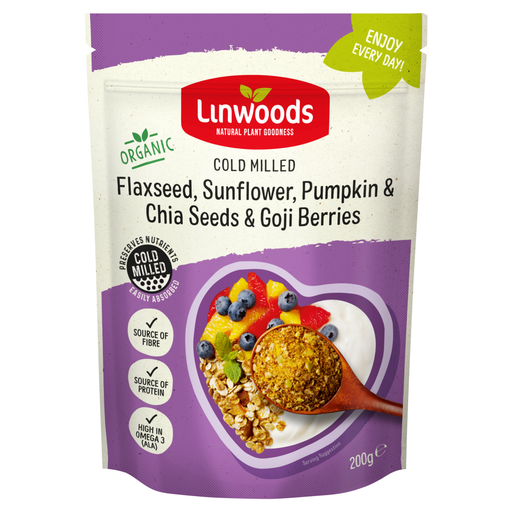
Why This Fits Their Persona: This person prioritises nutrient density. This blend is an easy way to add fibre, protein and essential minerals to porridge, yoghurt or smoothies without any extra thought. It's a functional food, not just a filler.
It directly counters the "healthy snack illusion." There are no misleading claims, just a straightforward list of organic seeds and berries. The nutritional table clearly shows its high content of Magnesium, Copper and Omega-3 (ALA).
A single 20g serving provides a significant portion of your daily needs for several minerals. The milled flaxseed makes the nutrients more bioavailable.
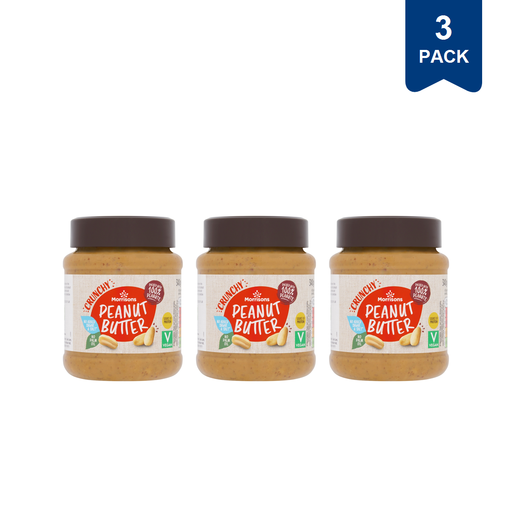
Why This Fits Their Persona: This user needs reliable, simple and cost-effective staples. A multi-pack of 100% peanut butter is a versatile workhorse for breakfasts, lunches and even cooking, with no added sugars or palm oil to worry about.
It sidesteps the "healthy" illusion with its single-ingredient list. The multi-pack format offers genuine bulk-buy value, ensuring the pantry is always stocked with a go-to, nutritious option.
Made from 100% peanuts, it's a natural source of protein and healthy fats. The three-pack ensures you have a long-lasting supply of a core food cupboard essential.
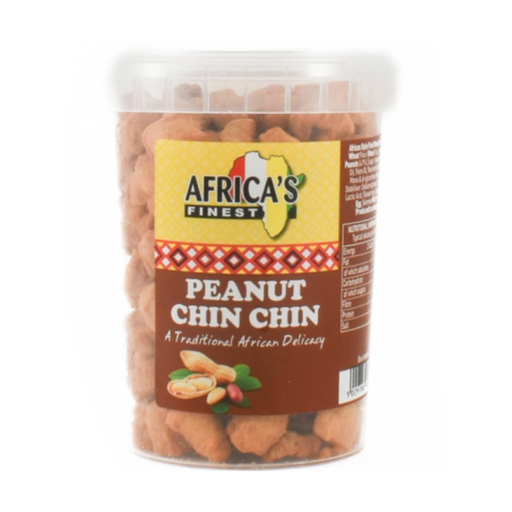
Why This Fits Their Persona: For someone who loves discovering international foods online, this is a perfect find. It's an authentic West African snack that offers a completely different texture and flavour profile to typical British crisps or biscuits.
This avoids the "authenticity gamble." It's produced by a reputable London-based importer of African foods, ensuring the recipe is traditional. The ingredients like nutmeg and peanut offer a genuine taste experience.
It's a unique, crunchy and satisfyingly savoury-sweet snack. Perfect for sharing with guests or enjoying with a cup of tea for something a little different.
We have compiled a complete, real-time list of products that fully satisfy these strict selection criteria and UK safety regulations.
For items like nuts, seeds and whole spices, the key is to protect them from air, light and heat. Once opened, transfer them to airtight containers and store them in a cool, dark cupboard. This prevents the natural oils from going rancid and preserves their flavour. For ground spices, which lose their potency faster, consider buying smaller quantities more frequently.
Always look at the "Carbohydrates (of which sugars)" line in the nutritional information per 100g. This provides a standardised way to compare different products. A cereal might be marketed as "multigrain" or "high-fibre," but if the sugar content is over 15g per 100g, it's considered high in sugar. Also, check the ingredients list for sugar, glucose syrup, honey or molasses near the top.
Not necessarily. The most reliable way to check is by comparing the price per 100g or per unit. Sometimes a promotional offer on a smaller pack can be more economical. Also, consider your household's consumption rate. Buying a giant bag of crisps that goes stale before you can finish it is not good value, regardless of the initial price.