
24/7 Customer Support

Free returns

Same-day & Next-day Delivery

Quality Guaranteed

Unlock Your Welcome Offers: FREE Delivery | Up to 80% OFF | Free 30-day JoyPlus trial
Download the APP
Panty liners can be useful for vaginal discharge, light spotting, the end of a period or small bladder leaks. However, choosing by pack size or a phrase such as “all-day freshness” alone can lead to discomfort, poor coverage or unnecessary spending.
The most common buying pitfalls are:
Size affects both coverage and discretion. A normal-length liner may suit everyday discharge and a light, predictable flow. Long panty liners and extra-long panty liners provide more front-to-back coverage, which can be helpful overnight, while travelling or during pre- and post-period days.
For example, the TENA Lights Long Liner measures 21 cm and is designed for light bladder leakage, whereas the TENA Lights Liner measures 15 cm. These are not simply different sizes of the same everyday product: they are positioned for different levels and types of protection.
A wider design with side barriers may also reduce shifting, although fit depends on the cut of your underwear. If the liner folds or moves, try a different size or underwear style rather than relying solely on adhesive strength.
Check whether the product is described for:
Products designed for bladder leakage often use an absorbent core intended to draw fluid away from the surface more quickly. TENA Lights products, for instance, are specifically described for light bladder leaks, while everyday products such as standard Carefree liners focus on daily freshness and light protection.
Do not treat a panty liner as a substitute for a sanitary pad or incontinence pad when flow or leakage is more than light. Selecting a product for its intended use can reduce the risk of leaks and repeated purchases.
For prolonged daily wear, look for a breathable topsheet or backing and a surface that feels comfortable against the skin. Breathable panty liners may help reduce a warm or damp sensation, but individual comfort varies.
If your skin is easily irritated, prioritise panty liners for sensitive skin with features such as:
“Hypoallergenic” and “dermatologically tested” describe product positioning or testing information; they do not guarantee that every person will tolerate the product. Stop using a liner if redness, itching or discomfort develops, and seek medical advice if symptoms persist.
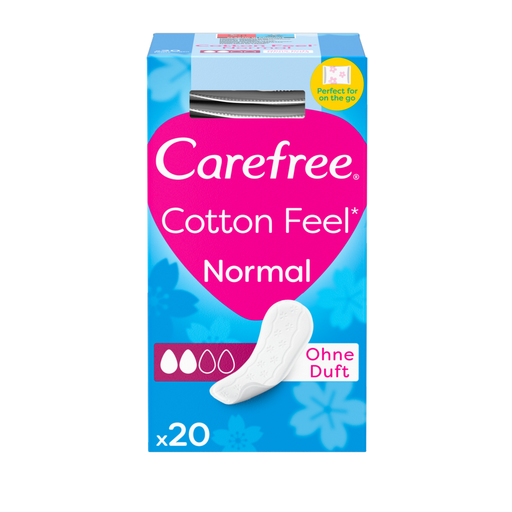
Why This Fits Their Persona: A practical starting point for everyday discharge, with a 20-pack suitable for trying a breathable, unscented format before buying a larger quantity.
It avoids relying on fragrance for freshness and states that it is unscented, with breathable layers and a dermatologically tested cover.
Four airflow layers, cotton extract and an eight-hour odour-control system are listed features.
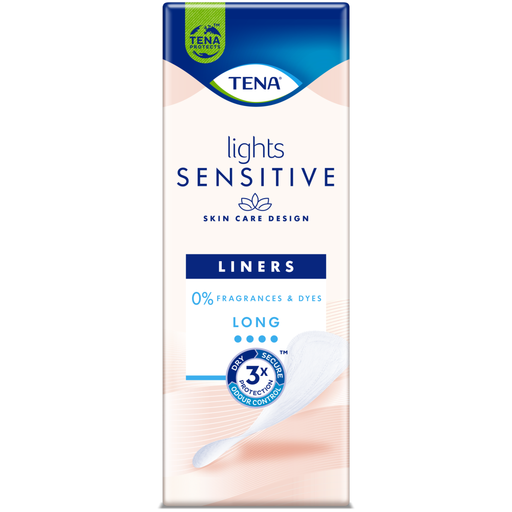
Why This Fits Their Persona: Suits shoppers who want extended coverage and a discreet profile for light bladder leaks during commuting, work or daily errands.
Its stated 21 cm length addresses the short-liner coverage problem, while the product is specifically positioned for light bladder leakage rather than only discharge.
The liner is listed as 3 mm thin, fragrance-free and dye-free, with breathable layers and 40 pads per pack.
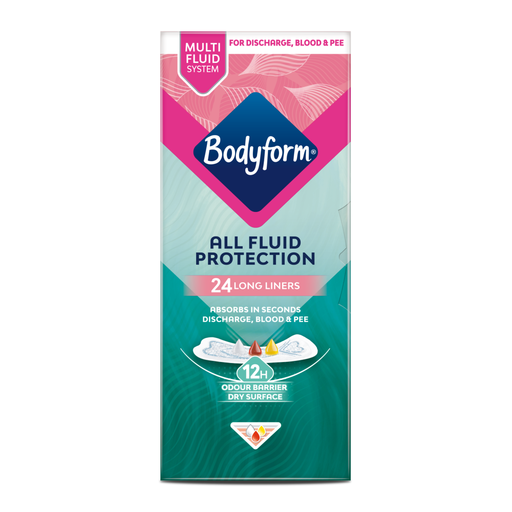
Why This Fits Their Persona: A long option for shoppers who move between discharge, spotting and occasional light urine moisture and want one product for varied daily needs.
The product description identifies protection for discharge, blood and urine, reducing the risk of choosing a standard liner for mixed-fluid use.
It is described as 2.5 cm longer than regular liners, with three responsive zones and a stated 12-hour odour-resistance barrier.
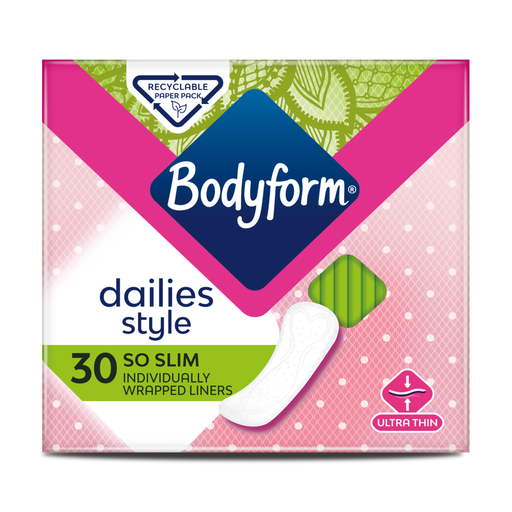
Why This Fits Their Persona: Suitable for handbags, office drawers and travel, especially when a thin, individually wrapped liner is more convenient.
Individual wrapping addresses hygiene and portability concerns, while the product description clearly focuses on an ultra-thin profile rather than high absorbency.
Each liner is individually wrapped, and the product uses a V-Slim design with renewable outer packaging.
We have compiled a complete, real-time list of products that fully satisfy these strict selection criteria and UK safety regulations.
Place the liner centrally in clean, dry underwear and press the adhesive area firmly into place. Change it according to the packaging guidance or sooner if it feels damp. Many everyday products suggest changing every four to six hours, while usage instructions differ between products.
Pack quantity affects cost per use. A larger pack can be more economical for regular daily use, but a smaller pack may be sensible when changing brands, checking skin tolerance or choosing a product for occasional use. Individually wrapped panty liners are convenient for work bags and travel, although non-wrapped packs may be easier to store at home.
Dispose of used liners in household waste. Do not flush panty liners, even if they appear thin or biodegradable, as they can contribute to blockages.
Change a liner when it feels damp, soiled or uncomfortable, and follow the product instructions. For many daily panty liners, four to six hours is a practical guide, but replacement frequency depends on discharge, temperature, activity and individual comfort.
Some can, but check the product description carefully. Light bladder leak liners are designed with absorbency for urine, while ordinary daily liners may be intended mainly for discharge or spotting. For frequent or heavier leakage, consider a product specifically labelled for incontinence and seek medical advice if leakage is new or persistent.
Unscented options remove added perfume from the list of features that may cause discomfort. Look for clear materials information and breathable construction, but remember that sensitivity is personal. Discontinue use if irritation occurs and consult a healthcare professional if it does not settle.