
24/7 全天候客户支持

免费退货

当日/次日达

品质保障

开启新人专享福利: 全场免邮 | 低至 2 折 | 免费试用 30 天 JoyPlus 会员
下载 Joybuy
Buying paper stationery can seem straightforward until the first sheet jams, ink shows through the page or a sketch buckles under moisture. Office workers, students, artists and journal writers all need different paper characteristics, yet packaging often focuses on vague phrases such as “premium quality” without explaining what the product is suitable for.
Before choosing paper, watch for three common buying pitfalls:
Paper weight is measured in gsm, or grams per square metre. It is a useful guide to thickness and firmness, but it should be considered alongside the intended use.
For example, 100gsm A4 printer paper can provide a more substantial feel than lightweight office copy paper, while 160gsm sketch paper is more suitable for drawing than standard printer stock. A 250gsm art paper pad may tolerate moderate wet-media use better, but excessive moisture can still cause buckling.
For printing, opacity helps reduce show-through when both sides of a sheet are used. A smooth surface can support consistent toner or ink application, while a matte finish helps reduce distracting reflections.
Always check whether the product is intended for:
Navigator A4 paper products listed for laser, inkjet and copier use are designed as multifunctional options. By contrast, drawing paper and mixed media paper pads should not be selected for a printer unless the manufacturer specifically states compatibility.
A4 measures 210 × 297mm and is suitable for reports, presentations, artwork and standard printing. A5 measures approximately 148 × 210mm, making it easier to carry in a handbag, backpack or work bag.
Binding also affects everyday use:
Sustainability details are worth checking separately from marketing language. Recognised credentials such as the EU Ecolabel, FSC certification and ISO 14001 can provide more specific information about environmental management or sourcing. Recycled paper claims should also be read alongside the stated recycled or recyclable content.
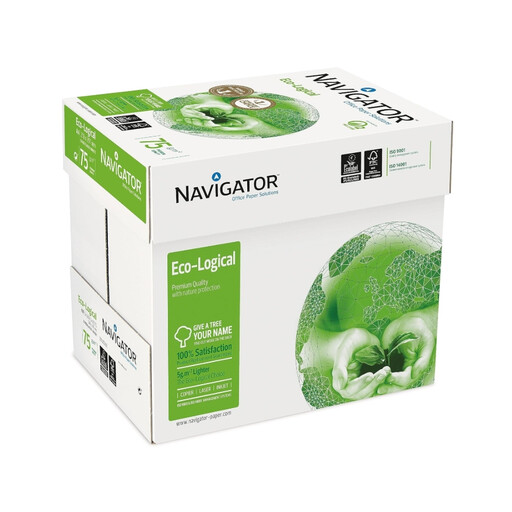
Why This Fits Their Persona: A sensible choice for students, home offices and small businesses needing a large supply of everyday A4 printer paper for routine documents.
The stated 75gsm weight and multifunction compatibility make its intended everyday use clear, rather than presenting it as art or presentation stock.
2,500 sheets per box; suitable for laser, inkjet, copier and multifunction devices; EU Ecolabel listed.
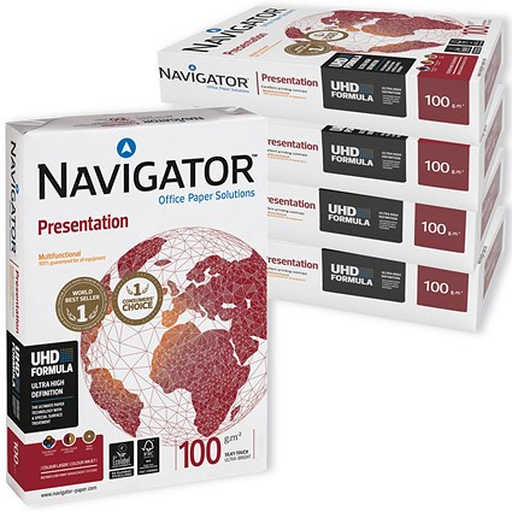
Why This Fits Their Persona: Appropriate for client-facing documents, reports and colour presentations where a smoother, more substantial sheet is preferred.
Its specifications identify 100gsm weight, duplex suitability and compatibility with colour inkjet, laser and copier devices.
100gsm paper; 2,500 sheets; EU Ecolabel, FSC and ISO 14001 certifications listed.
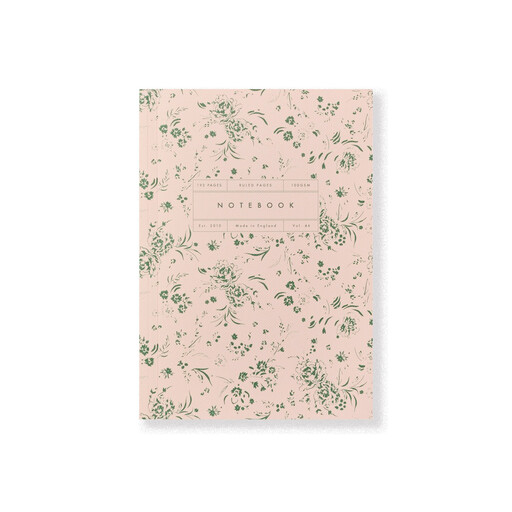
Why This Fits Their Persona: The portable A5 format suits commuters, students and journal writers who want ruled pages for notes, planning or reflective writing.
The listing states the page count, ruled layout, paper weight and cover construction, making the notebook’s practical capacity clear.
196 ruled pages with margins; 100gsm ivory paper; textured 300gsm cover.
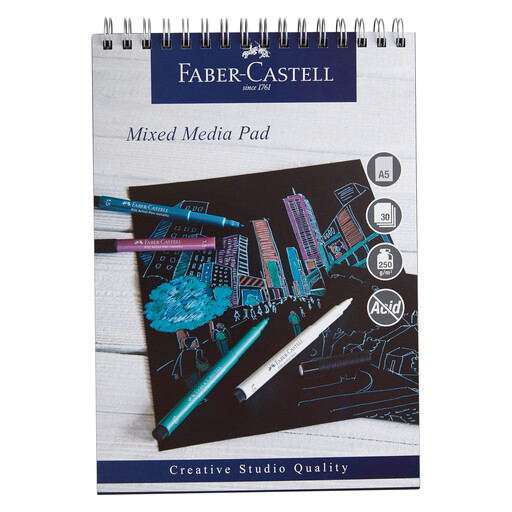
Why This Fits Their Persona: Designed for artists, makers and hobbyists using a mixture of dry and wet media in a portable studio format.
The 250gsm specification and stated wet-and-dry media compatibility provide clearer guidance than choosing a pad by appearance alone. Excessive moisture may still cause warping.
30 sheets; A5 wiro binding; acid-free paper; designed for acrylic, watercolour, pencils, pastels, charcoal and ink.
We have compiled a complete, real-time list of products that fully satisfy these strict selection criteria and UK safety regulations.
Yes. 100gsm paper is suitable for many reports, letters, presentations and double-sided documents, provided the printer supports the format and weight. It generally feels more substantial than 70–75gsm office copy paper, but it is not a substitute for specialist card or art paper.
For pencils, charcoal and coloured pencils, 160gsm drawing paper offers a sturdier surface than standard printer paper. For mixed-media projects involving paint or ink, consider a 250gsm art paper or mixed media pad. Test a spare sheet first, particularly with markers or wet applications.
Keep paper flat or upright in a cool, dry place away from direct sunlight and high humidity. Moisture can curl pages, soften covers and affect feeding through printers. Store opened reams in their packaging where possible, and avoid placing heavy objects on notebooks or pads that could distort their binding.