Parents hosting a children’s party
Check sugar and caffeine separately when choosing drinks for a group of children. A 2-litre bottle gives about eight 250ml pours, so cup size and likely refills matter as well as the number of bottles.


A 2-litre bottle gives about eight 250ml pours, but one cola may not suit every guest. For a children-focused party where avoiding both sugar and caffeine matters, look for a variant explicitly labelled zero sugar and caffeine-free; if guests want regular cola, check its sugar content and plan the cup size. Confirm the exact bottle label and size before buying.
Check sugar and caffeine separately when choosing drinks for a group of children. A 2-litre bottle gives about eight 250ml pours, so cup size and likely refills matter as well as the number of bottles.
If guests have different preferences, consider whether to offer regular cola alongside a zero-sugar choice. Check whether the zero-sugar variant contains caffeine when younger guests or evening serving make that distinction important.
Tesco lists Classic, Diet and Xero cola in 2-litre bottles. Compare each variant’s nutrition panel and ingredients rather than assuming the names describe the same sugar, caffeine or sweetener content.
Start with the number and size of pours, then choose the sugar and caffeine combination that fits the guest list.
| Priority | What to check | Your needs |
|---|---|---|
| Servings | Check that the bottle is 2 litres. That volume gives about eight 250ml pours or ten 200ml pours; allow for refills when deciding how many bottles to buy. | I need enough to share without assuming every guest will take the same amount. |
| Sugar | Compare sugars per 100ml on the exact variant. Coca-Cola GB lists 10.6g for Original Taste; Pepsi UK lists 4.5g for regular Pepsi and 0g for Pepsi Max. | If I am serving children or guests who prefer a zero-sugar cola, the variant matters more than the brand name alone. |
| Caffeine | Read the variant name and ingredients together. Pepsi UK lists caffeine flavouring in Pepsi Max, while its Caffeine Free variant is a separate product. | I want to distinguish avoiding caffeine from choosing a drink labelled zero sugar. |
| Sweeteners | Read the ingredients and any phenylalanine statement on the bottle. Pepsi UK lists a phenylalanine statement for Pepsi Max; Coca-Cola GB lists aspartame in Coca-Cola Zero Sugar Zero Caffeine. | Guests with a relevant dietary requirement need to know which sweeteners are in the drink they are offered. |
| Exact bottle | Confirm the variant, volume and current availability at the retailer. Tesco lists several 2-litre colas, but its reviewed Original Taste listing included a 1.75-litre bottle. | My plan depends on the bottle I actually buy, not just a familiar product name. |
Pepsi UK lists Pepsi Max as zero sugar, but its ingredients include caffeine flavouring. It does not meet a caffeine-avoidance requirement.
Check both the front label and ingredients, and choose an explicitly caffeine-free variant when needed.
Coca-Cola GB lists 10.6g sugars per 100ml for Original Taste. A 250ml pour therefore contains about 26.5g sugars; the amount served depends on cup size and refills.
Choose cup sizes before estimating quantities, and consider offering water as another drink.
Bottle sizes differ between listings and variants. Tesco’s reviewed Coca-Cola Original Taste listing included a 1.75-litre bottle, which would change the number of planned pours.
Check the exact volume and variant at the retailer before calculating how many bottles to buy.
Original Taste and Zero Sugar Zero Caffeine call for different label checks.
Regular Pepsi, Pepsi Max and Pepsi Max Caffeine Free have different sugar and caffeine details.
Tesco lists its own-label Classic, Diet and Xero colas in 2-litre bottles.
An Amazon UK marketplace listing shows RC Cola in 12 fl oz cans.
These are six-bottle packs of 2-litre cola for a party. Check the caffeine information for each pack before choosing one for children or guests avoiding caffeine.
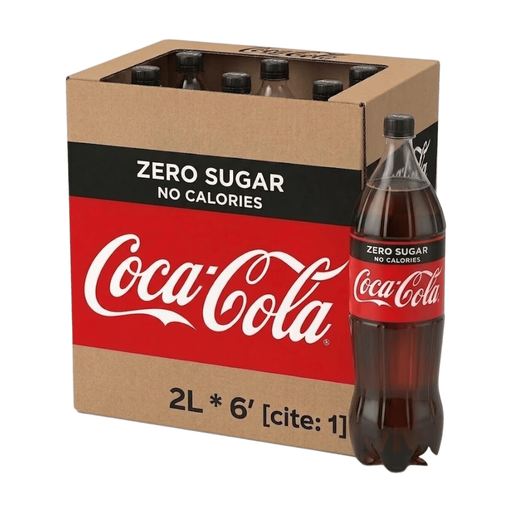 No image available
Six 2-litre bottles suit a plan that calls for several shared cola bottles. The product information lists caffeine flavouring and advises against use by children, so this is not the pack to choose when caffeine avoidance matters. Check the label for aspartame and its phenylalanine statement if relevant to your guests.
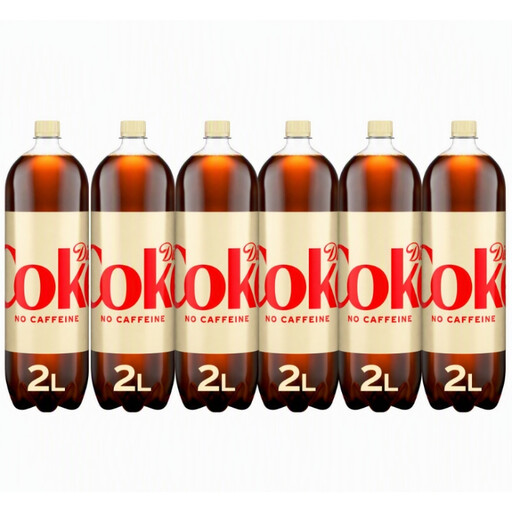 No image available
This pack contains six 2-litre bottles. Although the name and ingredient information indicate caffeine-free cola, a safety statement mentions caffeine; check the exact bottle label before choosing it for anyone avoiding caffeine. Check its aspartame and phenylalanine labelling for guests with relevant dietary requirements.
A 2-litre bottle gives about eight 250ml pours or ten 200ml pours. Allow more drink if guests are likely to have refills or use larger cups.
It offers a cola option without the sugar listed for regular variants: Pepsi UK and Coca-Cola GB each list 0g sugars per 100ml for the zero-sugar variants described here. Check the exact bottle for caffeine, sweeteners and any phenylalanine statement before serving it to guests with particular requirements.
No. Pepsi UK lists caffeine flavouring in Pepsi Max despite its 0g sugars per 100ml. If caffeine avoidance matters, look for a specifically labelled caffeine-free variant and check the bottle’s ingredients.
Ask the school whether its venue policy permits the drinks and whether school-food requirements apply to the event. England’s Department for Education guidance, dated 14 September 2026, describes legal requirements for food and drink provided to pupils in state-funded schools; it does not by itself settle how a privately organised party at a school venue is treated. Do not apply that England-specific guidance to other UK nations.