Hosts comparing protein
If protein is the main reason for buying nuts, compare figures per 100g as well as per pack. A small portioned snack and a large bowl can serve different purposes even when their protein figures look similar.


If protein per 100g matters most, the M&S Protein Packed Nut and Seed Mix lists 34.4g, but it comes in a 30g pack rather than a large sharing format. For a bowl with less salt, M&S lists 0.03g salt per 100g for its 300g plain roasted peanuts, compared with 0.88g for its roasted-and-salted peanuts. Check the exact pack’s allergens before serving, and keep whole nuts away from children under five.
If protein is the main reason for buying nuts, compare figures per 100g as well as per pack. A small portioned snack and a large bowl can serve different purposes even when their protein figures look similar.
Offering plain nuts alongside seasoned ones gives guests a choice. Marks & Spencer lists substantially different salt figures for its plain roasted and roasted-and-salted peanuts, so the seasoning name alone is not enough for a comparison.
Check each product’s allergen statement rather than treating all nuts or nut mixes alike. If young children can reach the buffet, GOV.UK guidance says whole nuts, peanuts and seeds should not be given to children under five.
Start with the protein figure, then choose a pack format that works for serving; salt and allergen details can change which product belongs on the table.
| Priority | What to check | Your needs |
|---|---|---|
| Protein | Compare protein per 100g on the nutrition panels, then check the amount in the pack or portion. A protein figure alone does not establish a high-protein label claim. | I want to compare snacks on the same basis, not mistake a 30g individual pack for a large bowl. Marks & Spencer lists 34.4g protein per 100g and 10g per pack for its Protein Packed Nut and Seed Mix. |
| Salt | Compare salt per 100g on the exact packs. Marks & Spencer lists 0.03g for plain roasted peanuts and 0.88g for its roasted-and-salted peanuts; KP Nuts lists 1.7g for its dry-roasted peanuts. | There are other savoury foods on my buffet, so I’d like guests to have a plain option as well as seasoned peanuts. |
| Allergens | Read the ingredients, allergen declaration and any precautionary statements on every pack. Check mixes and flavoured peanuts separately. | Guests may need to avoid different ingredients. I want to keep the original packs available rather than assume one shared bowl is suitable for everyone. |
| Pack format | Check net weight and whether the product is a sharing pack or individual portions. Compare the amount you plan to serve with the number of guests and other snacks. | I might fill a sharing bowl, or put out smaller packs if guests will pick up their own portions. The researched formats include M&S 300g roasted peanuts and KP 5 × 30g dry-roasted packs. |
| Variety | Check which nuts a mix contains as well as its protein and salt per 100g. Marks & Spencer lists cashews, almonds, hazelnuts, pecans and macadamias in its roasted-and-salted mixed nuts. | I’d choose a mixed bowl for different flavours and textures, while checking its ingredients before putting it out for guests. |
Protein per 100g is useful for comparing products, but it does not by itself establish whether a particular label claim applies.
Compare nutrition panels on the same per-100g basis, and check the claim on the exact pack rather than assigning it from the protein number alone.
Marks & Spencer lists 0.03g salt per 100g for its plain roasted peanuts and 0.88g for its roasted-and-salted peanuts. KP Nuts lists 1.7g per 100g for its dry-roasted peanuts.
Compare the products you are actually buying and consider putting out a plain option alongside a seasoned one.
Mixes can contain several tree nuts, while flavoured peanuts may have additional ingredients or precautionary allergen statements.
Keep the packs available, serve different products separately and provide another snack when a nut product is unsuitable for a guest.
GOV.UK guidance identifies whole nuts, peanuts and seeds as a choking hazard for children under five.
Do not offer them whole nuts, peanuts or seeds. Keep the buffet arrangement in mind if children may help themselves.
Marks & Spencer provides nutrition information for individual snack packs and larger plain, salted and mixed-nut products.
KP Nuts lists dry-roasted peanuts in both sharing and individual-pack formats.
Tesco Groceries lists several kinds of nuts, including mixed nuts, almonds, cashews and peanuts.
Planters describes an unsalted dry-roasted peanut product in its own product information.
These peanut packs offer plain, seasoned and honey-roast formats for a New Year’s Eve spread. Compare the exact pack labels for protein, salt and allergens before deciding what to serve.
 No image available
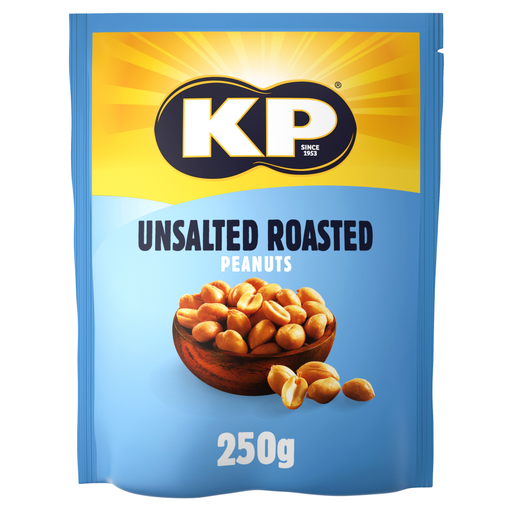
An unsalted peanut option for a sharing bowl when you want to offer a choice alongside seasoned snacks. The pack is 250g; check its nutrition and allergen label for the guests you are serving.
 No image available
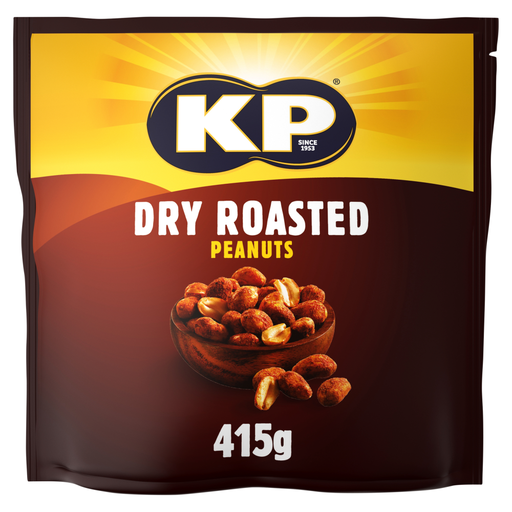
A 415g dry-roasted peanut pack for a sharing bowl. KP Nuts and Joybuy publish different protein and salt figures for this named product, so use the nutrition panel on the pack you receive for comparisons; check its allergen statement too.
 No image available
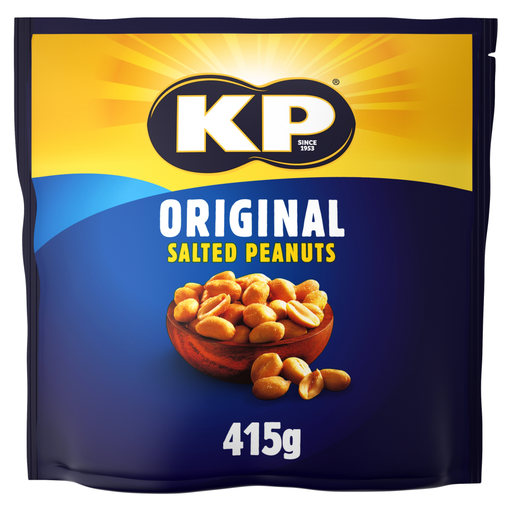
A 415g salted-peanut pack if you want a larger seasoned option. Compare its salt and protein per 100g with any plain peanuts you plan to serve, and check the pack’s allergen statement.
 No image available
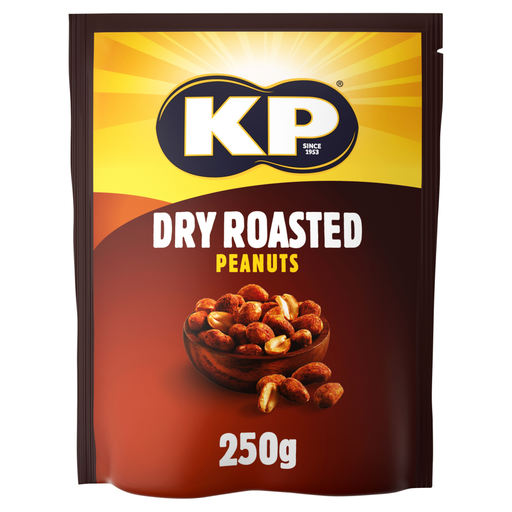
A 250g reclose pack for a smaller serving of dry-roasted peanuts. Read the exact pack’s salt figure and allergen statement before adding it to a mixed-group buffet.
No image available
A 225g honey-roast option if you want a different flavour alongside plain or salted peanuts. Check its protein, sugars, salt and allergen information on the pack rather than treating it as equivalent to another KP recipe.
No. Protein grams per 100g help you compare products, but they do not by themselves establish whether a high-protein label claim applies. Check the nutrition information and the claim on the exact pack rather than assigning the claim from one figure.
Marks & Spencer lists 0.03g salt per 100g for its plain roasted peanuts, compared with 0.88g for its roasted-and-salted peanuts; KP Nuts lists 1.7g for its dry-roasted peanuts. Compare the labels of the packs you are choosing, particularly if other buffet foods are also salted.
No. GOV.UK guidance says whole nuts, peanuts and seeds should not be given to children under five because of choking risk. Keep them out of young children’s reach when arranging a shared buffet.
No. The Food Standards Agency distinguishes peanuts from tree nuts such as almonds and cashews. Check every product’s ingredients and precautionary statements: KP Nuts says its dry-roasted peanuts may contain other nuts, milk, soya and gluten, while the M&S nut-and-seed mix includes almonds and roasted edamame.