
24/7 Customer Support

Free returns

Same-day & Next-day Delivery

Quality Guaranteed

Unlock Your Welcome Offers: FREE Delivery | Up to 80% OFF | Free 30-day JoyPlus trial
Download the APP
Planning a party should be fun, but choosing the right tableware can quickly become a chore. The market for party plates is filled with options that look great online but fail to deliver in reality. As a Joybuy Product Recommendation Officer, my role is to help you see past the marketing and focus on what truly matters for a successful event, whether it's a child's birthday, a summer BBQ or a festive family gathering.
Many of us have been there: you buy a pack of seemingly sturdy plates, only to watch them bend under the weight of a sausage roll or turn to mush from a bit of salad dressing. Let's look at the common pitfalls to avoid.
By understanding a few core parameters, you can confidently select plates that are fit for purpose, match your theme and offer genuine value.
Navigating the options for paper plates for parties becomes much simpler when you know what to look for. Focus on these three areas to ensure your tableware is a help, not a hindrance.
The material of your plate dictates its performance, cost and environmental footprint.
Plate size is not a minor detail; it determines what you can serve.
The visual appeal of your tableware sets the tone for your event.
Based on these practical criteria, here are a few options suited to different hosting needs.
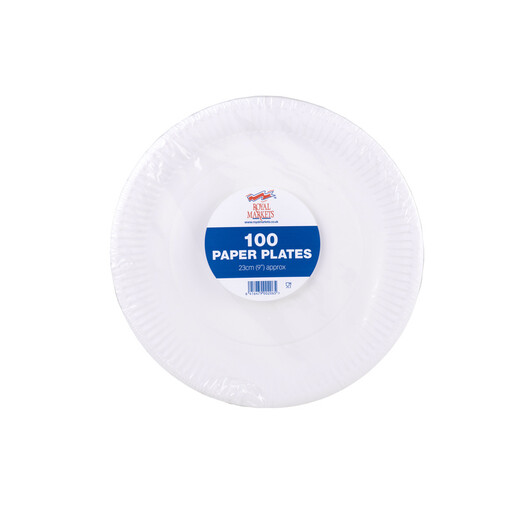
Why This Fits Their Persona: Perfect for anyone hosting a large BBQ, community event or family reunion. The bulk pack of 100 offers excellent value, and the neutral white design fits any theme, saving you from buying multiple smaller, themed packs.
It directly counters the "flimsy" pitfall with a 220gsm paper weight and a plastic coating for moisture resistance. The clear 9-inch dinner size prevents any sizing surprises.
Excellent cost-per-plate value in a large pack. The sturdy, coated construction reliably holds a full meal without bending or becoming soggy.
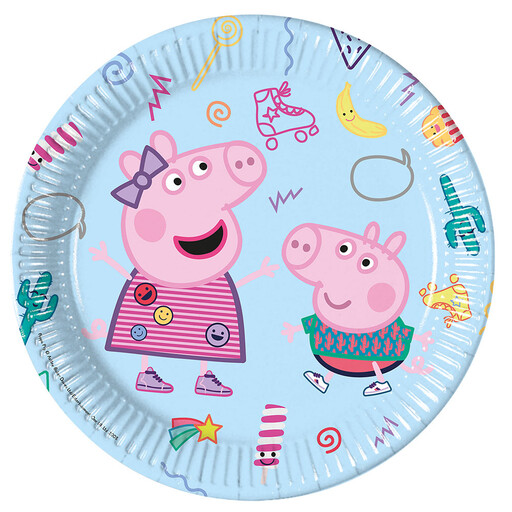
Why This Fits Their Persona: For parents organising a birthday party for a young child, a recognisable character is key. This instantly creates a fun, cohesive theme that little ones will love, making the party table a highlight.
The 23cm (approx. 9-inch) diameter is clearly stated, ensuring it's a proper dinner-sized plate suitable for party food, not just a small cake plate. The paper is described as durable enough for typical party fare.
Features an officially licensed, popular character design. According to retailers, it is made from an FSC-certified paper mix, offering a more responsible choice.
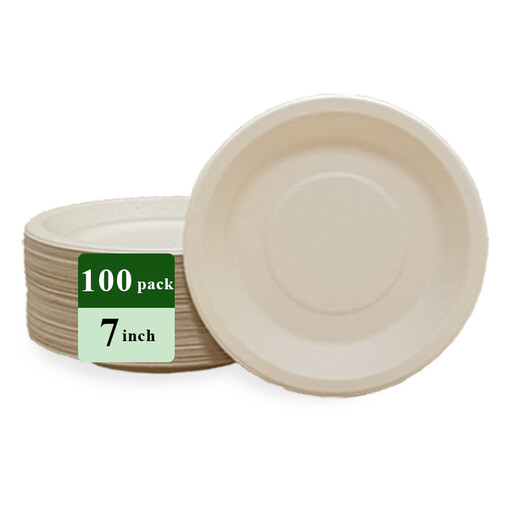
Why This Fits Their Persona: For those seeking a single-use plate with better environmental credentials than standard paper or plastic. Ideal for serving desserts, appetisers or for a kids' snack table where sustainability is a priority.
It avoids vague "eco" claims by specifying the material is bamboo fibre. It also addresses performance issues by being leak-resistant and microwave-safe, unlike many basic paper plates.
Made from a renewable resource. The plates are described as compostable and recyclable (where facilities accept), offering a clearer path for responsible disposal.
We have compiled a complete, real-time list of products that fully satisfy these strict selection criteria and UK safety regulations.
1. Can you microwave paper party plates? Generally, it is not recommended. Most standard disposable plates, especially those with a plastic coating, decorative print or metallic details, are not safe for microwave use as they can warp, melt or even spark. Always check the product packaging for a "microwave-safe" symbol before attempting to reheat food on them.
2. What is the real-world difference between a 7-inch and a 9-inch party plate? A 7-inch (approx. 18cm) plate is best considered a side plate. It's perfect for serving a slice of birthday cake, a few appetisers or a small portion of dessert. A 9-inch (approx. 23cm) plate is a standard dinner plate size. It provides enough space for a main course, such as a burger and chips at a BBQ, or for guests to help themselves to a variety of items from a buffet. Choosing the right size prevents food from being crammed or spilling over the edge.
3. How do I know if "biodegradable" plates can be put in my home compost bin? The term "biodegradable" simply means the material will break down over time, but it doesn't specify the conditions required. For home composting, you should look for a specific "home compostable" certification (like T?V AUSTRIA OK compost HOME). If the packaging only says "compostable" or "biodegradable," it likely requires an industrial composting facility. Always check your local council's guidelines to see what they accept in your food or garden waste collections.