
24/7 Customer Support

Free returns

Same-day & Next-day Delivery

Quality Guaranteed

Unlock Your Welcome Offers: FREE Delivery | Up to 80% OFF | Free 30-day JoyPlus trial
Download the APP
Passion fruit drinks can range from lightly flavoured water and juice drinks to squash, sparkling cocktails and alcohol-free options. That variety is useful, but it also makes comparison less straightforward. A bright tropical label does not always tell you how much fruit juice is inside, how sweet the drink is or whether the format suits your occasion.
Before buying, watch for three common pitfalls:
The product category matters. Passion fruit juice and juice drinks are generally selected for a more pronounced fruit character, while passion fruit flavoured water is usually lighter and more refreshing.
For example, FOCO Passion Fruit Juice contains 25% passion fruit juice and provides 44 kcal and 11g of sugars per 100ml. By contrast, Highland Spring Orange & Passionfruit Flavoured Still Water is a still water drink with sweeteners and no added sugar. It is a practical option if you want a lighter, water-based refreshment rather than a richer juice drink.
Blended drinks also vary. Mango and passion fruit drinks, pineapple and passion fruit drinks and mixed tropical fruit drinks may contain several juices, with passion fruit contributing part of the flavour rather than being the main ingredient. Review the percentages on the label instead of relying on the front-of-pack imagery.
UK nutrition panels generally show energy, carbohydrate and sugars per 100ml, making this the most useful starting point for comparisons. Also consider the typical serving size: a 250ml can contains two-and-a-half times the per-100ml amount.
“No added sugar” products may still contain naturally occurring sugars from fruit juice, or they may use sweeteners. Ribena Pineapple and Passion Fruit Squash No Added Sugar lists 0.2g of sugars per 100ml when undiluted and uses aspartame and acesulfame K. The label also identifies sulphites and a source of phenylalanine, so it should be checked carefully by anyone with relevant dietary requirements.
If you prefer a conventional sweetened drink, J2O Orange & Passion Fruit Blend contains 4.0g of sugars per 100ml, alongside sugar and sucralose. These figures make it easier to select a drink based on your own preferences without treating one formulation as suitable for everyone.
Single cans and bottles are convenient for work, travel or an occasional meal. A 4-pack of cans can work well for small gatherings, while larger cases are more suitable for regular household use.
Squash is a useful cupboard option because it is diluted when served. The Ribena Pineapple and Passion Fruit Squash 6 x 850ml multipack is designed for households that want several bottles available. Once opened, it should be refrigerated and consumed within the stated period on the product information.
For parties, check alcohol content as well as serving format. Alcohol-free passion fruit drinks can provide a cocktail-style option without alcohol, whereas a product such as Smirnoff Mango & Passionfruit Twist contains 35% ABV and is restricted to adults aged 18 and over. Always follow UK age-verification and responsible-drinking guidance.
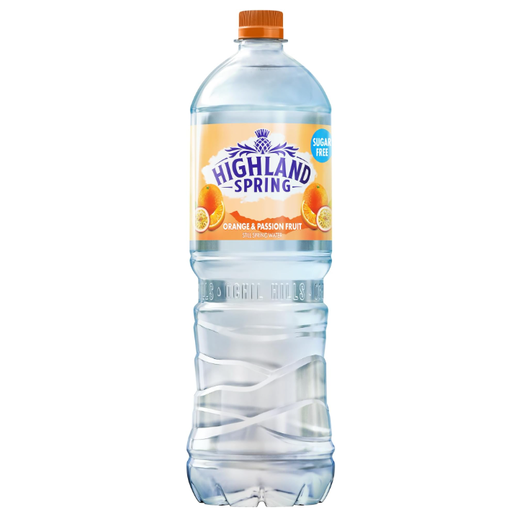
Why This Fits Their Persona: The 1.25L bottle offers a straightforward way to keep a tropical-flavoured drink at home without committing to a multipack or juice-heavy format. It may suit everyday meals and chilled fridge storage.
Its description clearly identifies the drink as still flavoured water with sweeteners and no added sugar, helping shoppers distinguish it from passion fruit juice.
1.25L format; still water base; no added sugar listed.

Why This Fits Their Persona: A single 350ml can is suited to shoppers who prioritise a direct passion fruit flavour and want a ready-to-drink option with a meal or as an occasional tropical refreshment.
The ingredient list states 25% passion fruit juice, so the fruit content is more transparent than a drink described only by flavour.
25% passion fruit juice; 350ml ready-to-drink can; no artificial colours or flavours listed.
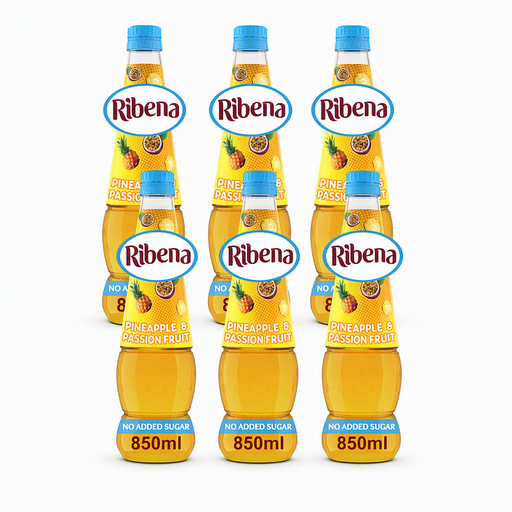
Why This Fits Their Persona: Six 850ml bottles suit families, frequent soft-drink users and hosts preparing for barbecues, picnics or larger gatherings where diluted servings are practical.
It is clearly labelled as squash, with dilution instructions and nutrition information for the undiluted product, reducing confusion over serving strength.
Six-bottle multipack; no added sugar; 10% fruit juice from concentrate; contains sulphites.
We have compiled a complete, real-time list of products that fully satisfy these strict selection criteria and UK safety regulations.
For social occasions, passion fruit cocktails are available in both alcoholic and alcohol-free forms. Funkin Nitro Cocktails No Alcohol Passion Fruit Martini is listed at 0.0% ABV and comes in a 200ml can, while Absolut Passionfruit Martini Sparkling Cocktail is a 250ml alcoholic drink at 5% ABV. Check the can before serving, particularly when preparing drinks for mixed-age groups.
If you enjoy texture, Mogu Mogu Nata de Coco Passion Fruit Flavour contains chewy nata de coco pieces and is sold in a 320ml x 6 format. For a lightly sparkling option, Lipton Kombucha Mango & Passionfruit comes in four 250ml cans and provides 50 kcal per can. These products are distinct from conventional juice, so compare ingredients and nutrition rather than judging them by the tropical flavour name alone.
It depends on the format. FOCO Passion Fruit Juice lists 11g of sugars per 100ml, while Highland Spring flavoured water does not have added sugar listed. Squashes and soft drinks may use sugar, sweeteners or both. Always compare the nutrition table per 100ml and check the serving size.
Passion fruit juice drinks are ready to consume, while passion fruit squash is a concentrate intended to be diluted with water. Squash can be more economical for repeated household use, but its nutrition panel may refer to the undiluted product. Follow the product’s preparation guidance.
Look for a clearly stated alcohol level, such as 0.0% ABV. Funkin Nitro Cocktails No Alcohol Passion Fruit Martini is listed at 0.0% ABV, making it a cocktail-style option. Keep it separate from alcoholic passion fruit cocktails and check the packaging before purchase or serving.