Breakfast cooks with limited time
If pasta needs to fit before work or school, allow for boiling, draining and serving as well as the time printed on the pack. A ready-to-heat meal may fit a shorter window, but it is not dried pasta.


Choose dried pasta for a weekday breakfast if you have time to boil and drain it: the cited Barilla Farfalle and M&S Spaghetti take 10 and 11 minutes to cook, respectively. Wholewheat pasta addresses a preference for a wholegrain choice, while anyone who needs to avoid gluten should choose a product explicitly labelled gluten-free and check its pack. For a much shorter preparation window, a ready-to-heat pouch is a different format with its own ingredients to check.
If pasta needs to fit before work or school, allow for boiling, draining and serving as well as the time printed on the pack. A ready-to-heat meal may fit a shorter window, but it is not dried pasta.
If the pasta itself is part of your wholegrain choice, look at wholewheat varieties rather than assuming all dried pasta has the same ingredients. NHS guidance names wholewheat pasta among wholegrain options for increasing fibre intake.
If wheat, gluten or egg affects what your household can eat, assess the exact pack. The cited M&S Penne contains wheat and carries an egg-allergy suitability warning; a plain-looking pasta shape is not enough to establish suitability.
Start with the time available to cook breakfast, then choose the grain type and check the exact product against household requirements. The needs below describe distinct reasons a consumer might make one factor their first priority.
| Concern | What to check | Who this matters to |
|---|---|---|
| Cooking time | Read the selected shape’s cooking directions and allow time to boil and drain it. A ready-to-heat pouch is a different format. | If breakfast has to fit a short morning routine, I need to know whether boiling pasta is workable at all. About 33% of consumers would put preparation time first. |
| Wholegrain choice | Look for wholewheat on the exact product and compare its nutrition information if fibre is important to your choice. | When choosing a pasta base for breakfast, I may care more about making it wholewheat than saving a few minutes. Around 27% of consumers would make that their primary need. |
| Allergen suitability | Check the current ingredients and allergen statement; for gluten avoidance, look for explicit gluten-free labelling. | If someone in my household must avoid a particular ingredient, the pack’s suitability determines whether I can buy it. Allergen suitability would come first for about 27% of consumers. |
| Use across meals | Check pack weight and shape against the portions and dishes you plan to make. | When I want one dried-pasta pack for breakfast and other meals, flexibility matters more than the shortest preparation time. That would be the leading need for around 13% of consumers. |
For a time comparison, Barilla lists 10 minutes for its Farfalle and M&S lists 11 minutes for its Spaghetti; neither timing applies to every dried shape. Dolmio describes its Pasta Pronto Tomato & Chilli as a prepared pasta-and-sauce pouch that heats in 90 seconds. Its cooked-pasta format and ingredients make it a separate choice, not a faster-cooking dried pasta.
Dried pasta needs boiling and draining. Dolmio’s cited Pasta Pronto pouch is a prepared pasta-and-sauce meal that heats in 90 seconds, so its preparation and serving format differ.
Decide whether you need a dried base to cook and portion yourself or an individual ready-to-heat meal before comparing products.
Standard durum-wheat pasta contains gluten. The cited M&S Penne also carries a warning for people with an egg allergy, while Dolmio’s cited prepared pouch contains wheat and egg ingredients.
Read the current pack’s full ingredient and allergen information. If gluten must be avoided, choose a product explicitly labelled gluten-free and check its other ingredients too.
Wholewheat pasta is a wheat-based wholegrain choice; it does not meet a gluten-free requirement. The NHS names wholewheat pasta as one option for increasing fibre intake, which is a different buying objective.
Choose by the requirement that applies to your household, and confirm it on the specific pack.
Ingredients and product information can change. M&S advises shoppers to read the product label rather than rely solely on its online information, particularly when allergens matter.
Check the current pack before preparing it for anyone with an ingredient restriction.
These examples help distinguish dried pasta from prepared options; details for one product should not be assumed to apply across a brand’s range.
A dried-pasta range to consider when shape and pack cooking time affect your breakfast plan.
An own-label range in which shoppers can distinguish standard, wholewheat and quick-cook pasta listings.
A dried-pasta option for shoppers comparing the ingredients and allergen information of a specific shape.
A reference for sauce pairings or a prepared pasta meal, rather than a substitute dried-pasta range.
These listings cover pasta for mornings when cooking and draining can fit the routine, alongside gluten-free lasagne sheets for a dish that calls for that shape. Check the exact pack before choosing for an ingredient restriction or a tight time limit.
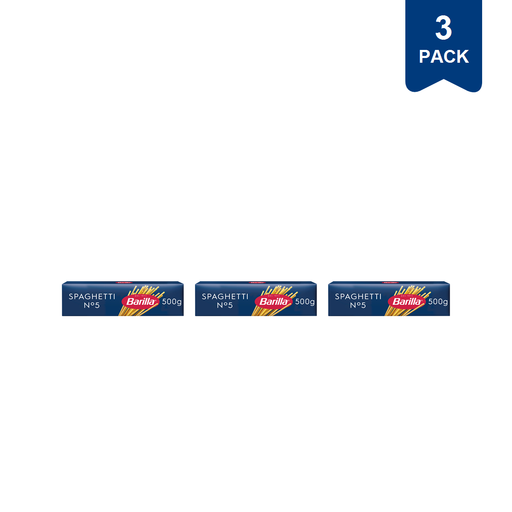 No image available
Consider this listing if you can cook pasta before breakfast and want packs for more than one meal. Confirm the number of packs, pasta shape and grain type before ordering: the listing details conflict on these points, so they should not determine a dietary choice.
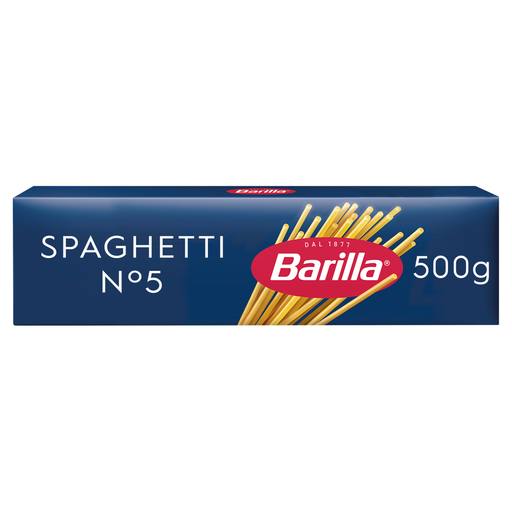 No image available
This single-pack spaghetti listing suits a breakfast plan with time to boil and drain dried pasta. It is a wheat-pasta choice rather than a wholewheat or gluten-free substitute; check the current pack if wheat, mustard or soya is relevant to your household.
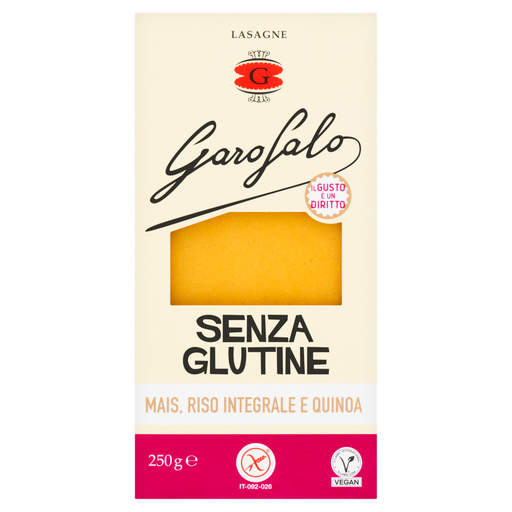 No image available
These gluten-free lasagne sheets are a choice for a dish that calls for lasagne rather than a straightforward spaghetti breakfast. Check the current pack’s allergen information and cooking directions before deciding whether the shape and preparation fit your morning.
Yes, if you can make time to boil, drain and serve it. Barilla lists 10 minutes for its Farfalle and M&S lists 11 minutes for its Spaghetti, so check the directions for the shape you actually choose. A prepared pouch that heats in 90 seconds is a different type of meal.
Do not assume it is: the cited M&S Penne contains durum-wheat semolina and states that it contains gluten. If gluten avoidance is required, select pasta explicitly labelled gluten-free and read the current pack’s ingredients and allergen information.
Choose wholewheat if a wholegrain pasta is your priority and wheat is suitable for your household. The NHS includes wholewheat pasta among wholegrain options for increasing fibre intake; it is not a gluten-free alternative.
Use it as a starting point, then check the current pack. The Food Standards Agency says allergens in a prepacked food’s ingredients list must be emphasised, while M&S notes that formulations and online information can change.
Barilla advises keeping pasta in a cool, dry cupboard or pantry. Follow any storage directions on the pack you buy.