
24/7 Customer Support

Free returns

Same-day & Next-day Delivery

Quality Guaranteed

Unlock Your Welcome Offers: FREE Delivery | Up to 80% OFF | Free 30-day JoyPlus trial
Download the APP
Pasta is affordable, versatile and easy to store, but choosing the right pack is not always straightforward. A low price can hide a smaller portion count, while terms such as “protein-rich”, “Italian” or “organic” may not tell you how the product will perform in your kitchen.
The main buying traps are easy to avoid:
Dry pasta is the practical choice for family meals, batch cooking and cupboard storage. It usually requires boiling for around 8–12 minutes, depending on the shape and desired texture. A 500g pack is useful for households that cook pasta regularly, while multi-packs can reduce the need for repeat shopping.
Instant pasta is designed for speed. Big bowls and single packs can be prepared with hot water according to the instructions, making them suitable for office lunches, student kitchens or quick evening meals. However, seasoning sachets can contribute considerably to the total salt and fat content, so check the nutrition panel before making instant pasta a daily habit.
Shape affects how sauce is distributed:
You can browse more options in Joybuy’s shaped pasta range.
For conventional pasta, look for durum wheat semolina as the main ingredient. Wholewheat pasta should identify wholewheat semolina or wholemeal flour, and vegan suitability should be confirmed on the packaging rather than assumed.
For gluten-free lasagne, check the ingredient list and allergen statement carefully. Gluten-free products may use corn, rice, potato or quinoa flour, creating a different texture from wheat-based sheets.
Organic pasta should carry a recognised organic certification mark. A product’s country of origin, production method and storage instructions can also help you decide whether a premium price reflects features that matter to you, such as bronze-die extrusion or UK production.
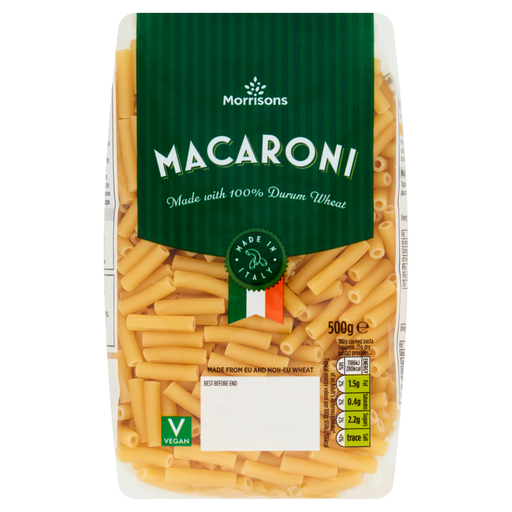
Why This Fits Their Persona: A straightforward dry pasta option for first-time cooks, families and shoppers building an everyday cupboard selection in the UK.
The 500g pack makes portion planning clearer, and the single-ingredient format avoids unnecessary seasoning or sauce ingredients.
Made from durum wheat semolina; hollow macaroni tubes suit bakes, soups and pasta salads.
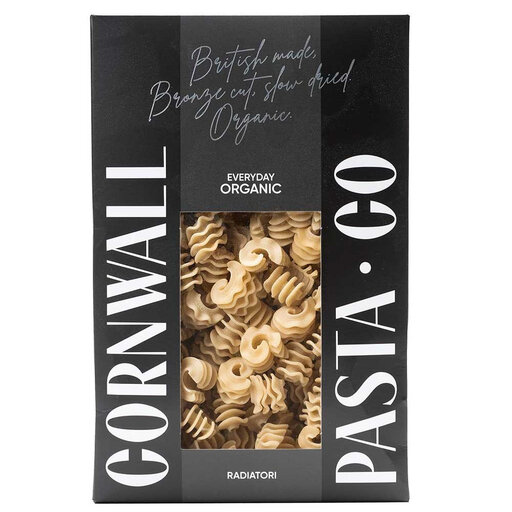
Why This Fits Their Persona: Suitable for shoppers who value organic pasta, British production and a distinctive shape for sauce-led recipes.
The ingredient list identifies organic wheat and water, making the product’s composition easy to check rather than relying only on premium packaging.
Organic wheat; bronze-die extrusion creates a textured surface designed to hold sauce.
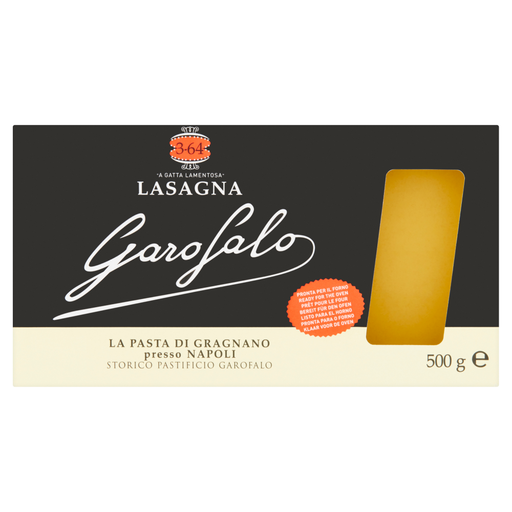
Why This Fits Their Persona: A practical choice for households preparing regular lasagne, pasta bakes or meals for several people.
The 500g format is suited to repeat cooking, while the product description clearly identifies the wheat and possible soya trace information.
Bronze-die texture; suitable for layered lasagne recipes and vegetarian cooking.

Why This Fits Their Persona: A convenient instant pasta meal for busy workdays, with a vegan recipe and a protein-containing pasta base.
The pack states that it is vegan, while the allergen information still highlights wheat and shared-facility processing, helping shoppers check suitability properly.
Vegan formulation; 105g big-bowl format with mushroom flavour and 12g protein per 100g as listed.
We have compiled a complete, real-time list of products that fully satisfy these strict selection criteria and UK safety regulations.
When you buy pasta online in the UK, shoppers can compare pack sizes, ingredients and dietary suitability without relying on front-of-pack claims. Consider these options:
Usually, a large bag of dry pasta gives more portions per pack and allows you to choose your own sauce. Instant pasta can cost more per serving but saves preparation time, washing-up and the need to buy separate ingredients.
Keep unopened and opened dry pasta in a cool, dry cupboard away from humidity and strong kitchen odours. Fold packets securely or transfer the contents to an airtight container. Instant pasta should also be kept away from direct sunlight, and damaged or leaking packaging should not be used.
A common guide is approximately 75g of dry pasta per person, although appetites and recipes vary. For a baked dish, soup or meal with several additional ingredients, you may need less. Follow the product’s own cooking and serving guidance where provided.