
24/7 Customer Support

Free returns

Same-day & Next-day Delivery

Quality Guaranteed

Unlock Your Welcome Offers: FREE Delivery | Up to 80% OFF | Free 30-day JoyPlus trial
Download the APP
Pasta can be a practical cupboard staple, a quick lunch or the base of a family meal. However, the wide choice of dried pasta, instant pasta, pasta pots and ready-to-eat pasta meals can make it difficult to compare products fairly. Packaging may highlight flavour, protein or convenience while leaving serving size, salt content and allergens less prominent.
Before buying pasta, check what type of meal you are actually purchasing, how it needs to be prepared and whether the nutritional information suits your household. The following points can help UK shoppers avoid common buying mistakes.
A 65g or 69g pot may be convenient for a quick bite, but it is usually designed as one small serving rather than a full family meal. Check the per pot figures, not only the values per 100g. For example, a prepared pasta pot may provide around 260–315 kcal, while a larger meal needs additional ingredients or side dishes to suit your appetite.
Protein pasta can contain more protein than standard instant noodles, but the overall product may still be high in salt or fat. Samyang Tangle protein pasta products, for example, list approximately 12–13g of protein per 100g while also listing around 3.0–3.2g of salt per 100g. Compare the full nutrition panel rather than relying on one front-of-pack statement.
A vegetable flavour does not automatically mean vegan. Cheese powder, milk ingredients, egg or flavourings may be present in instant pasta sauces. Products labelled vegan should still be checked against the latest packaging, especially if you have an allergy rather than a dietary preference. For allergies, read the highlighted allergen information and any “may contain” statement carefully.
Choose between:
Preparation instructions matter. Some pasta pots require boiling water and around five minutes of standing time, while a frozen meal must remain at -18°C or colder until cooking. Never assume that an instant product is ready to eat straight from the packet.
For standard Italian pasta, look for durum wheat semolina or 100% durum wheat. Napolina Plain Lasagne and Napolina Fusilli both list 100% durum wheat semolina, making them straightforward options for traditional recipes. Cornwall Pasta Co. Macaroni lists organic wheat and provides a 500g format for batch cooking.
If you are buying protein pasta, review the additional ingredients. Pea protein, soya protein or chickpea powder may alter the allergen profile and texture. For vegan pasta, check both the pasta and sauce components, as creamy-style seasoning can contain milk-derived ingredients unless clearly described as plant-based.
Use the per serving column where available, then compare pack sizes. A 375g or 500g dried pasta pack is more suitable for multiple portions than a single-serving pot. Sauce jars, pasta bake sauces and cooked meals may need refrigeration after opening, often with a stated consumption period.
Look at salt, saturated fat and fibre as well as calories. Some instant products contain substantially more salt per serving than plain dried pasta because the seasoning sauce is included. Storage instructions are equally important: keep ambient products in a cool, dry place, refrigerate opened sauces as directed and do not refreeze food after thawing.
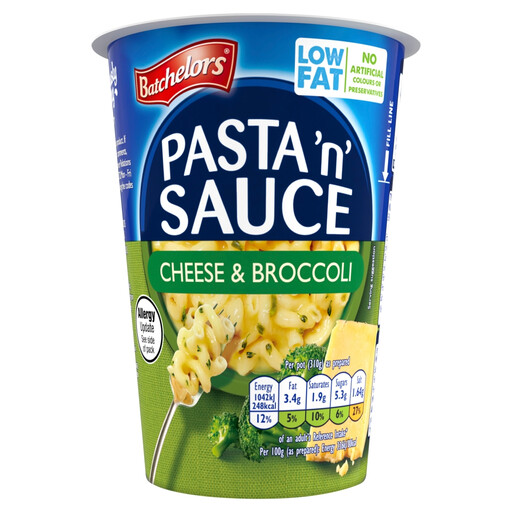
Why This Fits Their Persona: A compact ambient pot suits students, office drawers and quick lunches when cooking facilities are limited.
The 65g net quantity and preparation format make the portion clear, while the label identifies milk and wheat allergens.
Vegetarian-friendly recipe; prepared nutrition lists 80 kcal per 100g and 0.53g salt per 100g.
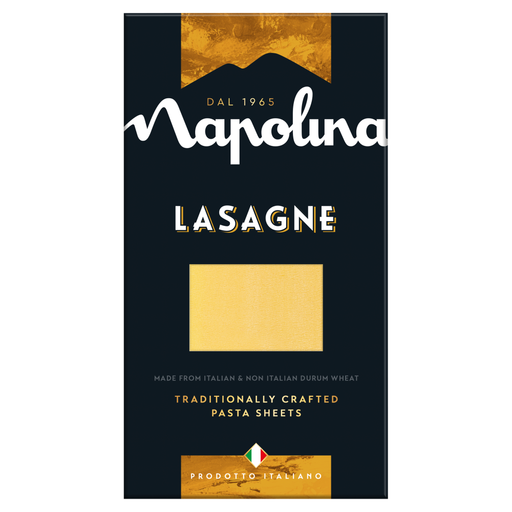
Why This Fits Their Persona: Home cooks planning lasagne for family meals can use a larger pack of traditional sheets with a separate sauce and filling.
The ingredient list is simple: 100% durum wheat semolina, without a ready-made seasoning mix that can increase salt.
375g pack; 12.2g protein and less than 0.01g salt per 100g uncooked.
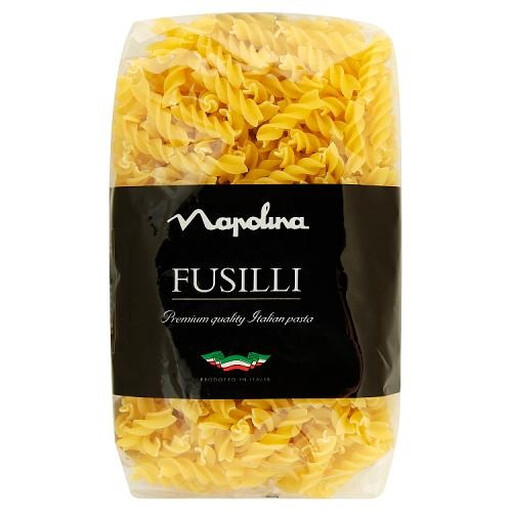
Why This Fits Their Persona: Families and batch cooks can use the 500g pack across pasta salads, tomato dishes and pasta bakes.
A plain dried format avoids paying for a small prepared portion and lets you control the sauce, vegetables and serving size.
100% durum wheat semolina; 3.0g fibre and 12.0g protein per 100g uncooked.

Why This Fits Their Persona: A plant-based shopper wanting a hot, strongly flavoured pasta meal can prepare this big bowl with hot water.
The product is described as vegan and lists wheat as the stated allergen, while also warning that other allergens are handled in the facility.
105g big-bowl format; 12g protein per 100g and mushroom seasoning with dehydrated vegetables.
We have compiled a complete, real-time list of products that fully satisfy these strict selection criteria and UK safety regulations.
Yes, provided you follow the preparation instructions and check the serving size. Many pasta pots require boiling water and around five minutes of standing time. They are convenient for work or study, but may need fruit, vegetables or another side to create a more substantial meal.
Fusilli is spiral-shaped and holds thicker sauces well. Macaroni is a short tube commonly used for cheese dishes and pasta bakes. Lasagne sheets are flat and layered with sauce and filling. Shape affects texture and sauce coverage, but the ingredient list and nutrition still need to be checked.
Unopened dried pasta can generally be stored until the best-before date when kept in a cool, dry cupboard. After opening, reseal the packet to protect it from moisture and pests. Always check the actual packaging, particularly where storage or shelf-life information has changed.