Low-fat meal planners
If you are assessing the whole meal, look beyond the pasta to its sauce and additions. NHS guidance notes that cream- and cheese-based sauces are likely to be high in fat.


For a low-fat pasta meal, compare the dried pasta, sauce and any additions separately: the pasta label alone cannot describe the finished dish. Ready-made spaghetti in tomato sauce offers convenience, while dried pasta lets you choose the topping; if fibre or protein also matters, compare those figures alongside fat and saturates on the same label basis.
If you are assessing the whole meal, look beyond the pasta to its sauce and additions. NHS guidance notes that cream- and cheese-based sauces are likely to be high in fat.
If dried pasta is your cupboard staple, check the pack quantity and availability, then assess the topping separately rather than assuming the pasta determines the meal’s fat content.
If fibre or protein is an additional priority, compare the relevant label figures without assuming that wholewheat or specialist pasta has less fat than classic pasta.
Start with the fat and saturates in the complete meal, then decide whether pack quantity or an additional nutrition goal changes your choice of pasta.
| Concern | What to check | Who this matters to |
|---|---|---|
| Fat in the finished meal | Compare fat and saturates for the pasta and sauce on compatible label bases; account separately for cheese, oil and meat. | If I am planning a low-fat pasta meal, I need to know what the sauce and additions contribute, not just what is in the dried pasta. About 50% of consumers put whole-meal fat first. |
| Pack quantity and availability | Check the stated net quantity, particularly for multipacks, and confirm that the option is available. | When I want a dependable cupboard staple, I need to know how much pasta I am getting before planning several meals. Pack quantity is the primary concern for about 30% of consumers. |
| Fibre or protein | Read fibre or protein alongside fat and saturates per 100g, using the same dry or cooked basis for comparisons. | If I am choosing pasta partly for its fibre or protein, I still want to see how its fat figures fit the meal I have in mind. About 20% of consumers put that additional nutrition goal first. |
A sauce and additions can change the meal’s fat and saturates. NHS guidance identifies cream- and cheese-based sauces as likely to be high in fat; a low-fat label on a sauce applies to that sauce, not to everything served with it.
Check the pasta, sauce and additions separately. A tomato- or vegetable-based sauce is worth comparing when choosing between sauce types.
Nutrition per 100g of dry pasta is not on the same basis as nutrition per 100g after cooking. For example, Barilla’s classic spaghetti figures are for dry pasta, while the cited Tesco spaghetti figures are for cooked pasta.
Compare dry with dry or cooked with cooked, and note the stated serving basis.
The cited Tesco Every Day Value Spaghetti page marked the product out of stock when reviewed.
Confirm availability and pack quantity before planning around a particular product.
Barilla lists 2.0g fat per 100g dry for Classic Spaghetti and 2.5g per 100g dry for Whole Wheat Spaghetti. The wholewheat option lists more fibre, but not less fat, in this comparison.
Choose according to the label figures that matter to you, and assess the topping separately.
A reference point if you want a prepared sauce to serve with pasta.
Its cited classic and wholewheat spaghetti labels offer a dry-to-dry comparison.
The cited Every Day Value Spaghetti provides an example of cooked-basis nutrition labelling.
Its cited specialist pasta lines are relevant when fibre or protein is an additional selection factor.
These choices include ready-made spaghetti in tomato sauce for convenience and dried pasta for meals with a separately chosen topping. Check the exact pack label when comparing nutrition, especially where one product gives dry figures and another gives cooked figures.
 No image available
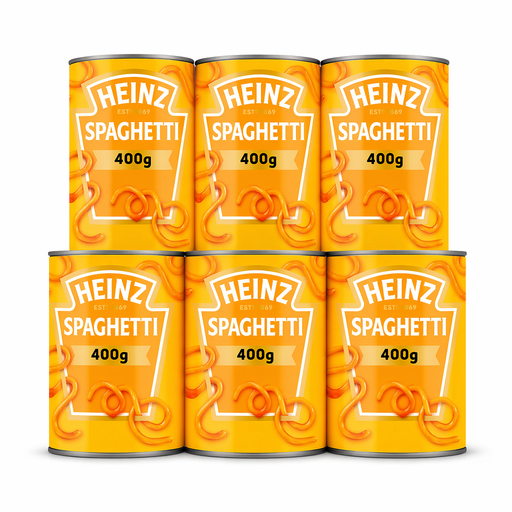
A ready-made spaghetti-and-tomato-sauce option if you would rather not prepare the pasta and sauce separately. The title specifies six 400g cans; check the pack label and any additions when assessing a serving.
 No image available
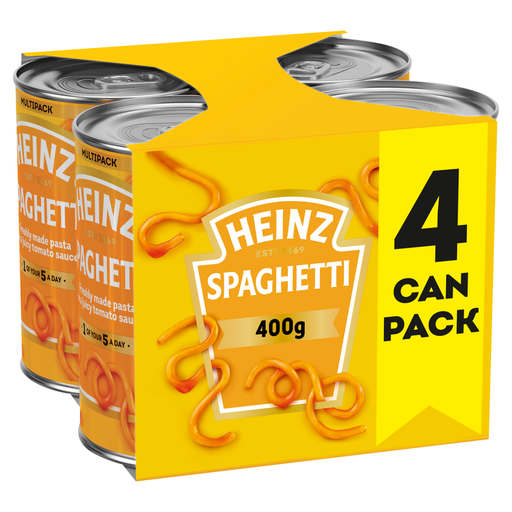
Another ready-made spaghetti-and-tomato-sauce option, in a four-can rather than six-can pack. Each can is labelled 400g in the product title; use the exact pack label to assess your serving.
 No image available
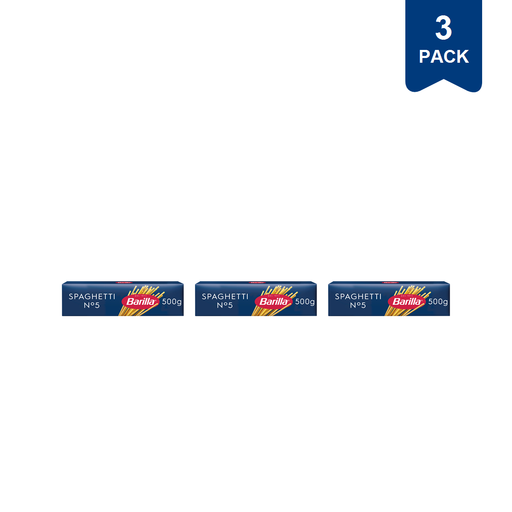
Plain dried spaghetti lets you choose the sauce and other additions yourself. The title indicates three packs, but confirm the total bundle quantity on the product page or pack before comparing quantities.
 No image available
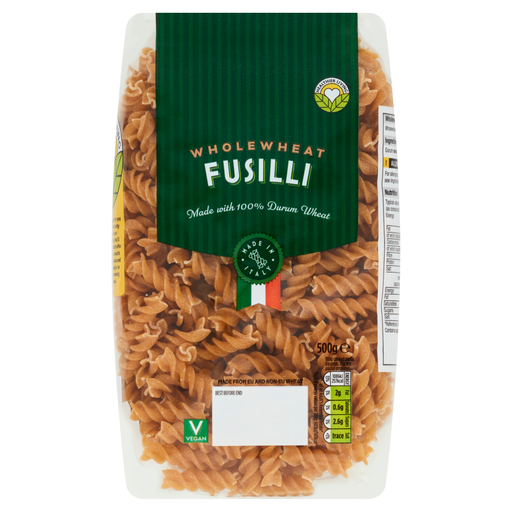
A wholewheat dried pasta to consider when fibre is an additional priority. Compare its cooked-basis label figures with other cooked-basis figures, and assess your chosen sauce separately.
 No image available
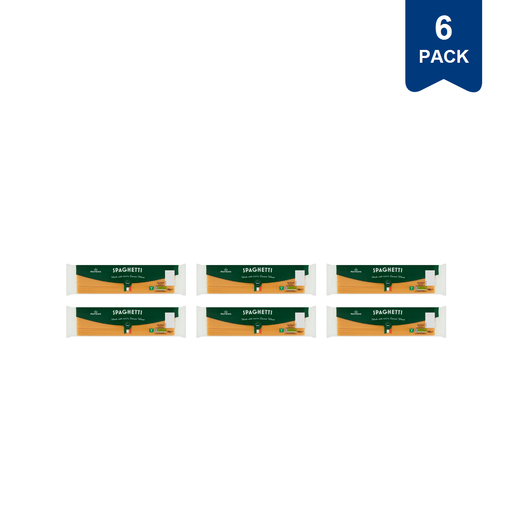
Plain dried spaghetti for a meal with a separately selected topping. The title indicates six packs; confirm the total bundle quantity, and compare its cooked-basis nutrition only with figures on a compatible basis.
No. The finished meal also includes its sauce and any cheese, oil or other additions. NHS guidance notes that cream- and cheese-based sauces are likely to be high in fat and suggests choosing tomato- or vegetable-based sauces more regularly.
Compare similar products using the same per-100g basis, paying attention to whether pasta figures refer to the dry or cooked product. Check serving information too; the British Nutrition Foundation explains that traffic-light labels, where present, can help compare fat, saturates, sugars and salt between products.
No. Dolmio lists less than 0.5g fat per 100g for its Low Fat Sauce for Bolognese, but that figure applies to the sauce. Assess any mince, cheese or other ingredients separately.
Check the ingredients and allergen information on the exact pack rather than relying on the pasta’s name. The Food Standards Agency says allergens present in prepacked food must be emphasised when they appear in the ingredients list.