Shoppers checking fat labels
You want an everyday 500g pasta pack and need to compare total fat and saturates without confusing dry-pasta figures with cooked-pasta figures.


Choose a 500g dried pasta by checking total fat and saturates per 100g on the same dry or cooked basis; NHS guidance describes 3g total fat or less per 100g of solid food as low in fat. Standard pasta is an option when fibre is not your main concern, while a wholewheat pack offers a way to prioritise fibre alongside the fat check. Consider the sauce, toppings and serving amount separately from the pasta.
You want an everyday 500g pasta pack and need to compare total fat and saturates without confusing dry-pasta figures with cooked-pasta figures.
You are considering wholewheat pasta because fibre matters to your choice, but still want to check the fat values on the particular pack.
You want to divide a 500g pack into servings and account for the sauce and toppings when planning the finished dish.
Start with the pasta label, then decide whether fibre or planning the finished meal is the more important additional consideration.
| Concern | What to check | Who this matters to |
|---|---|---|
| Total fat and saturates | Read both values per 100g and check whether the panel describes dry or cooked pasta. Compare packs on the same basis. | If I am choosing a low-fat pasta base, I want to check its fat figures before deciding on a shape or brand. About 43% of consumers would make that label check their primary concern. |
| Wholewheat and fibre | Check the ingredients for wholewheat semolina and read the fibre value on a comparable per-100g basis. | When I want more fibre from the pasta itself, I may accept a different flavour or texture. For about 29% of consumers, that would be the primary consideration. |
| Servings and additions | Check the dry serving guidance and assess the sauce and toppings separately. | If I am dividing a 500g bag between meals, I need portions that suit my plans and room to account for additions. Planning the prepared dish would come first for about 28% of consumers. |
The figure on a plain pasta pack does not include oil, pesto, cheese, cream or other additions to the finished dish.
Check the pasta panel, then consider the sauce, toppings and amount you plan to serve.
ASDA and Sainsbury's give cooked-basis values for the products discussed here, while the Barilla and M&S figures are on a dry basis. Water absorbed during cooking changes the amount of fat measured per 100g.
Use figures on the same preparation basis for a direct comparison.
Wholewheat identifies the grain used, not a lower fat figure. It may also change the flavour or texture you want in a recipe.
Choose wholewheat if its fibre content and eating qualities suit you, and check total fat and saturates on that pack.
The standard and wholewheat products discussed here contain wheat. M&S also marks its Penne as unsuitable for people with an egg allergy.
Read the current allergen statement on the exact pack, particularly when buying for someone with a food allergy or another diagnosed food hypersensitivity.
Barilla has standard and wholewheat 500g dried-pasta options for shoppers choosing between those two styles.
ASDA Penne is a standard, rather than wholewheat, 500g option with cooked-basis nutrition information.
Sainsbury's Wholewheat Penne combines a wholewheat ingredient choice with a cooked-basis nutrition panel.
M&S Penne is a standard 500g pasta option for shoppers who do not specifically want wholewheat.
These 500g packs include wholewheat fusilli and standard fusilli or spaghetti. Choose the shape and grain style that suit your meal, then check the current nutrition and allergen information for the exact product.
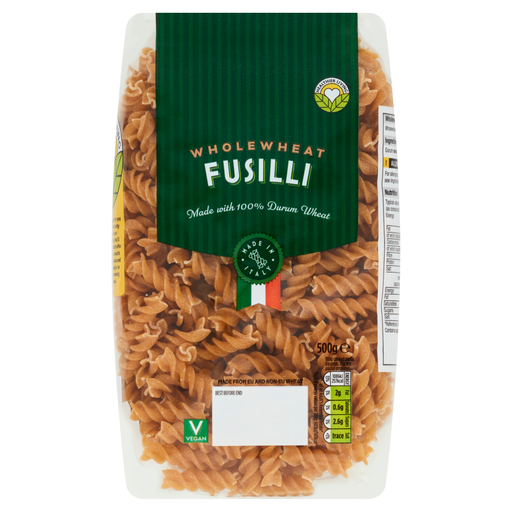 Image unavailable
Consider this 500g wholewheat shape if fibre is part of your pasta choice. Check its per-100g fat and fibre values on the same preparation basis as any pack you compare it with, and read the current wheat-allergen statement.
 Image unavailable
This 500g standard fusilli suits a preference for pasta spirals without a wholewheat requirement. Check fat and saturates on the pack's nutrition panel, including whether the figures refer to dry or cooked pasta; read the wheat-allergen statement if relevant.
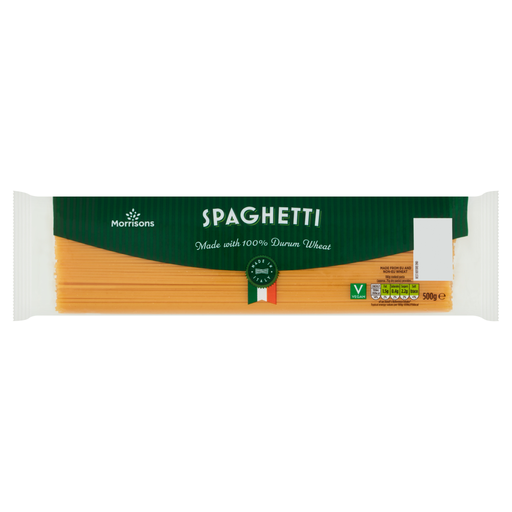 Image unavailable
Choose this 500g standard pasta if spaghetti is the shape you want for the planned dish. Compare its per-100g nutrition figures only with figures on the same dry or cooked basis, and check the current wheat-allergen statement.
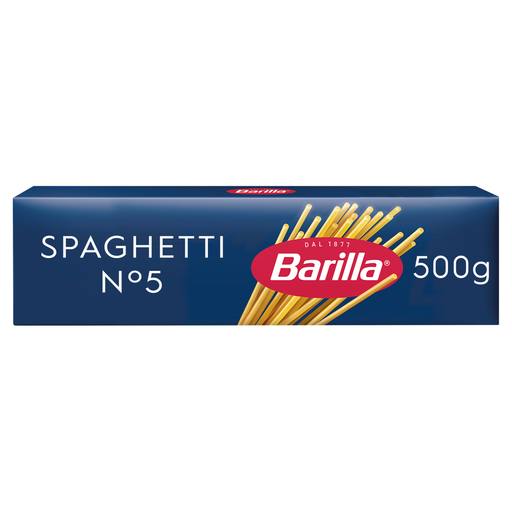 Image unavailable
This 500g spaghetti is a standard-pasta option when wholewheat is not the priority. Check the exact pack's fat figures and preparation basis before comparing it with another product, along with its current allergen statement.
 Image unavailable
Consider this 500g spaghetti if you want a standard dried-pasta shape. Use the current pack's per-100g nutrition panel to assess fat and saturates on a comparable preparation basis, and check its allergen and cooking instructions before use.
Check total fat per 100g as well as saturates. NHS guidance describes 3g total fat or less per 100g of solid food as low in fat; read the particular pack's panel rather than assuming its name tells you the answer.
No. Cooking changes the amount of water in pasta and therefore its nutrition values per 100g. Check whether each panel refers to dry or cooked pasta before making a direct comparison.
Bedfordshire Hospitals NHS Trust gives 75g dried pasta, or about 180g cooked, as one example serving; ASDA gives the same typical dry-to-cooked yield for its Penne. Use serving guidance as a reference and decide what amount suits the meal you are preparing.
Do not assume it is. The standard and wholewheat wheat-pasta products discussed here contain wheat. If you need gluten-free food, check the exact product's current ingredients and gluten-free labelling before buying.